

Hidden Wonders Of North Carolina’s Venus Flytrap Habitats
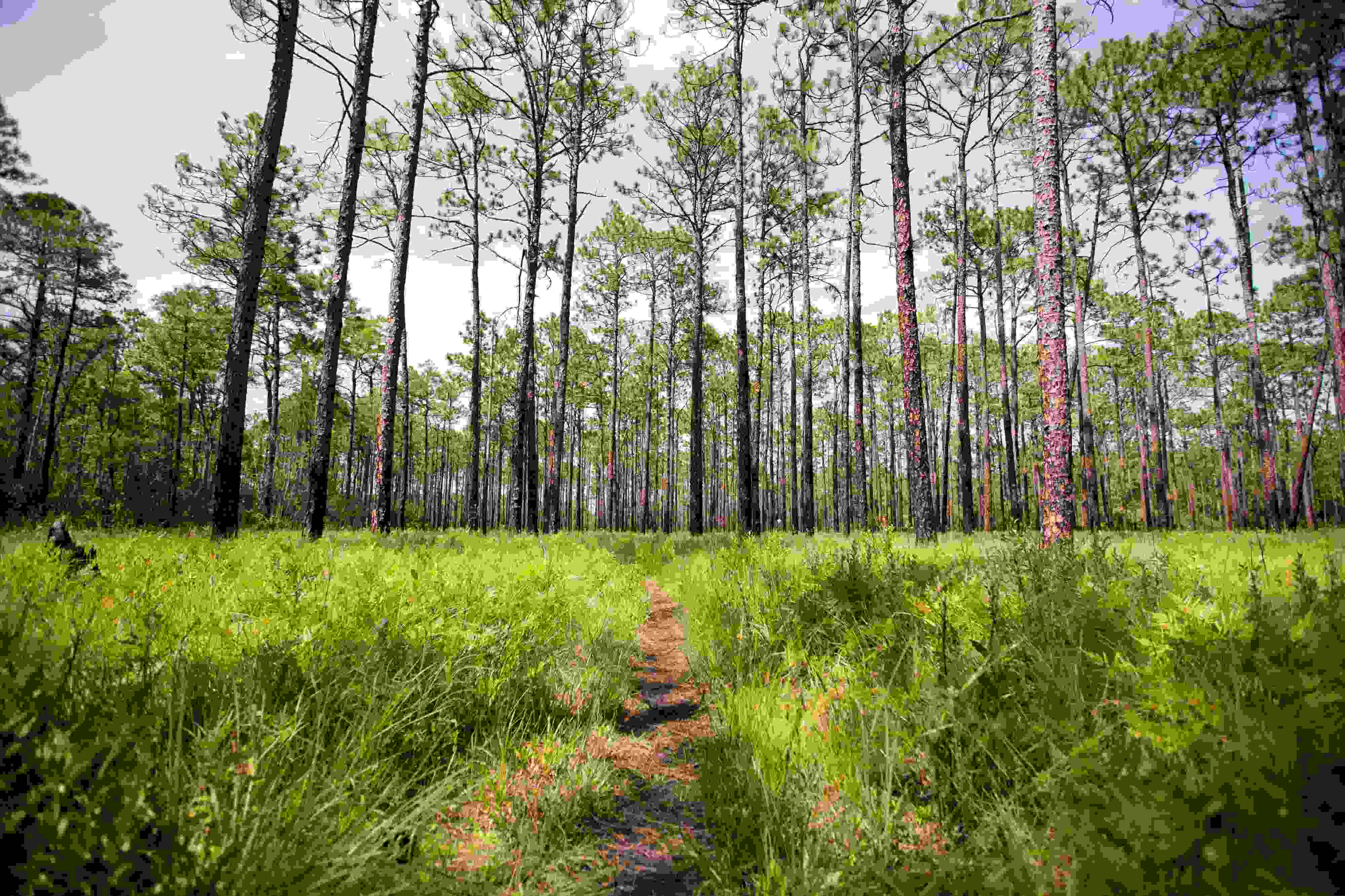
Have you ever wondered where you can find Venus flytraps in the wild? North Carolina holds the secret! These fascinating plants, known for their carnivorous nature, thrive in the unique habitats of this state. Found mainly in the coastal plains, Venus flytraps prefer the moist, sandy soils of bogs and savannas. The best time to see them is during the growing season, from April to October. Visiting these habitats offers a chance to witness one of nature's most intriguing plants in action. Whether you're a plant enthusiast or just curious, North Carolina's Venus flytrap habitats are a must-see.
Discovering the Venus Flytrap in North Carolina
North Carolina is home to one of nature's most fascinating plants: the Venus Flytrap. These carnivorous plants are native to a small region in the southeastern part of the state. If you're curious about where to find these incredible plants, here are some top spots to explore.
1. Carolina Beach State Park
Carolina Beach State Park is a prime location for spotting Venus Flytraps in their natural habitat. The park offers several trails where these unique plants can be found.
- Flytrap Trail: This short, easy trail is specifically designed for those looking to see Venus Flytraps. Interpretive signs along the way provide information about the plants and their ecosystem.
- Sugarloaf Trail: A longer trail that also offers a chance to see Flytraps, along with other native plants and wildlife.
2. Green Swamp Preserve
Green Swamp Preserve is a must-visit for nature enthusiasts. Managed by The Nature Conservancy, this preserve is home to a variety of rare plants, including the Venus Flytrap.
- Guided Tours: The Nature Conservancy occasionally offers guided tours, which can provide a deeper understanding of the preserve's unique flora and fauna.
- Self-Guided Exploration: Visitors can explore the preserve on their own, but it's important to stay on designated paths to protect the delicate ecosystem.
3. Holly Shelter Game Land
Holly Shelter Game Land is another excellent spot to find Venus Flytraps. This area is managed by the North Carolina Wildlife Resources Commission and offers a mix of habitats.
- Public Access Areas: Certain sections of Holly Shelter are open to the public for hiking and wildlife viewing. Venus Flytraps can often be found in the wetter, boggy areas.
- Wildlife Viewing: In addition to Flytraps, visitors might spot a variety of birds, reptiles, and other interesting plants.
4. Boiling Spring Lakes Preserve
Boiling Spring Lakes Preserve is a lesser-known gem for Venus Flytrap enthusiasts. This preserve is managed by the North Carolina Coastal Land Trust and offers a peaceful setting for plant observation.
- Nature Trails: Several trails wind through the preserve, providing opportunities to see Flytraps and other native species.
- Educational Programs: The Coastal Land Trust occasionally hosts educational programs and events focused on the preserve's unique ecosystem.
5. The Stanley Rehder Carnivorous Plant Garden
Located in Wilmington, the Stanley Rehder Carnivorous Plant Garden is a dedicated space for carnivorous plants, including the Venus Flytrap.
- Guided Tours: The garden offers guided tours that provide insights into the care and conservation of these fascinating plants.
- Special Events: Throughout the year, the garden hosts events such as plant sales and educational workshops.
6. Lewis Ocean Bay Heritage Preserve
Lewis Ocean Bay Heritage Preserve, located just across the border in South Carolina, is another excellent place to see Venus Flytraps in their natural environment.
- Scenic Trails: The preserve features several trails that meander through diverse habitats, offering a chance to see Flytraps and other rare plants.
- Bird Watching: The preserve is also a popular spot for bird watching, adding another layer of interest to your visit.
7. The Greenfield Lake Park and Gardens
Greenfield Lake Park and Gardens in Wilmington is a beautiful urban park that also happens to be home to Venus Flytraps.
- Walking Trails: The park's trails offer a relaxing way to explore and potentially spot Flytraps along the way.
- Paddle Boating: For a different perspective, rent a paddle boat and explore the lake, keeping an eye out for Flytraps near the water's edge.
8. The Nature Conservancy's Shaken Creek Preserve
Shaken Creek Preserve is another site managed by The Nature Conservancy, known for its rich biodiversity and Venus Flytrap populations.
- Research Opportunities: The preserve is often used for scientific research, but visitors can also explore certain areas to see Flytraps and other unique plants.
- Conservation Efforts: Learn about the ongoing conservation efforts to protect these rare plants and their habitats.
9. Brunswick Nature Park
Brunswick Nature Park offers a mix of recreational activities and natural beauty, including areas where Venus Flytraps can be found.
- Kayaking and Canoeing: Paddle through the park's waterways and keep an eye out for Flytraps along the banks.
- Hiking Trails: Several trails wind through the park, providing opportunities to see a variety of native plants and wildlife.
10. The North Carolina Aquarium at Fort Fisher
While not a natural habitat, the North Carolina Aquarium at Fort Fisher has a dedicated exhibit featuring Venus Flytraps and other carnivorous plants.
- Educational Exhibits: Learn about the biology and ecology of Venus Flytraps through interactive displays and exhibits.
- Conservation Programs: The aquarium participates in conservation programs aimed at protecting these unique plants in the wild.
Discover the Magic of Venus Flytrap Habitats
North Carolina's Venus Flytrap habitats offer a unique experience for nature lovers. These fascinating plants, found in the wild only in this region, showcase the incredible diversity of our planet. Visiting these habitats provides a chance to see the Venus Flytrap in its natural environment, surrounded by other unique flora and fauna.
Exploring these areas not only supports local conservation efforts but also deepens your appreciation for the delicate balance of ecosystems. Whether you're an avid botanist or just curious about these remarkable plants, a trip to North Carolina's Venus Flytrap habitats promises an unforgettable adventure.
Plan your visit, respect the natural surroundings, and take in the beauty of these hidden wonders. The Venus Flytrap's captivating allure is a reminder of nature's endless surprises and the importance of preserving such treasures for future generations.
