

Hidden Insights Of North Carolina’s Forest Management Research Centers
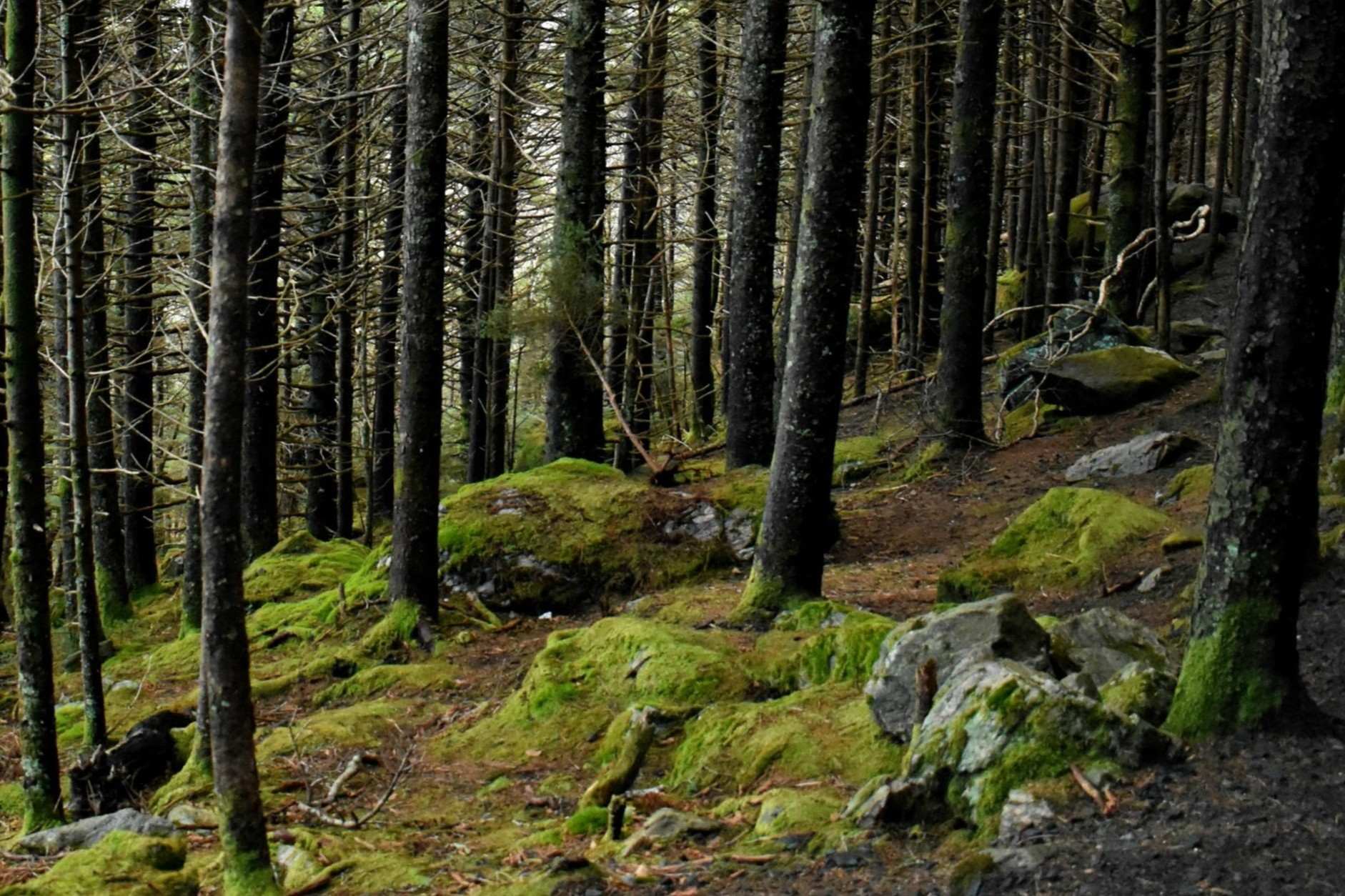
Have you ever wondered how forests in North Carolina stay healthy and thriving? The answer lies in the dedicated work of forest management research centers. These centers play a crucial role in studying and maintaining the state's lush woodlands. From monitoring tree growth to understanding wildlife habitats, they ensure that our forests remain vibrant for generations to come. Researchers use advanced techniques to gather data, which helps in making informed decisions about conservation and sustainable practices. Whether you're a nature lover or just curious about forest science, learning about these centers offers a glimpse into the vital work being done to protect our natural resources.
Discovering North Carolina's Forest Management Research Centers
North Carolina is home to some of the most advanced forest management research centers in the United States. These centers play a crucial role in studying and preserving the state's diverse forest ecosystems. Let's explore some of these remarkable places.
1. Bent Creek Experimental Forest
Nestled in the Appalachian Mountains, Bent Creek Experimental Forest is a hub for forest research. Established in 1925, it focuses on sustainable forestry practices and the impact of climate change on forest health.
- Location: Near Asheville
- Research Focus: Sustainable forestry, climate change
- Activities: Hiking, educational tours
2. Duke Forest
Owned by Duke University, Duke Forest serves as a living laboratory for students and researchers. It spans over 7,000 acres and offers a variety of ecosystems for study.
- Location: Durham, Orange, and Alamance counties
- Research Focus: Ecology, conservation, forest management
- Activities: Guided tours, research programs
3. Hill Forest
Hill Forest is managed by North Carolina State University and is dedicated to advancing forest science. It provides a unique setting for studying forest dynamics and wildlife habitats.
- Location: Durham County
- Research Focus: Forest dynamics, wildlife habitats
- Activities: Research projects, educational workshops
4. Nantahala National Forest
Nantahala National Forest is the largest of North Carolina's four national forests. It offers a diverse range of research opportunities, from studying old-growth forests to examining the effects of human activity on natural landscapes.
- Location: Western North Carolina
- Research Focus: Old-growth forests, human impact
- Activities: Hiking, camping, research expeditions
5. Pisgah National Forest
Pisgah National Forest is renowned for its rich biodiversity and extensive research programs. It provides a perfect setting for studying forest ecology, water resources, and wildlife management.
- Location: Western North Carolina
- Research Focus: Forest ecology, water resources, wildlife management
- Activities: Hiking, fishing, educational programs
6. Schenck Forest
Schenck Forest, managed by North Carolina State University, is a key site for forestry education and research. It offers hands-on learning experiences for students and researchers alike.
- Location: Wake County
- Research Focus: Forestry education, sustainable practices
- Activities: Educational tours, research projects
7. Uwharrie National Forest
Uwharrie National Forest is a smaller but equally important research site. It focuses on the restoration of native plant species and the study of forest regeneration.
- Location: Central North Carolina
- Research Focus: Native plant restoration, forest regeneration
- Activities: Hiking, educational programs, research initiatives
The Impact of North Carolina's Forest Management Research Centers
North Carolina's forest management research centers play a crucial role in preserving the state's natural beauty. These centers provide valuable insights into sustainable practices, ensuring forests remain healthy for future generations. By studying various ecosystems, researchers develop strategies to combat threats like pests, diseases, and climate change.
Visitors to these centers can learn about the importance of conservation efforts and witness firsthand the dedication of scientists working to protect these vital resources. The knowledge gained here not only benefits North Carolina but also contributes to global forest management practices.
Supporting these centers means investing in the future of our environment. Whether through educational programs, volunteer opportunities, or simply spreading awareness, everyone can play a part in preserving our forests. North Carolina's commitment to forest management sets an example for others to follow, highlighting the importance of research and conservation in maintaining our planet's health.
