

Hidden Waterways Of New York’s Colonial Dutch Settlements
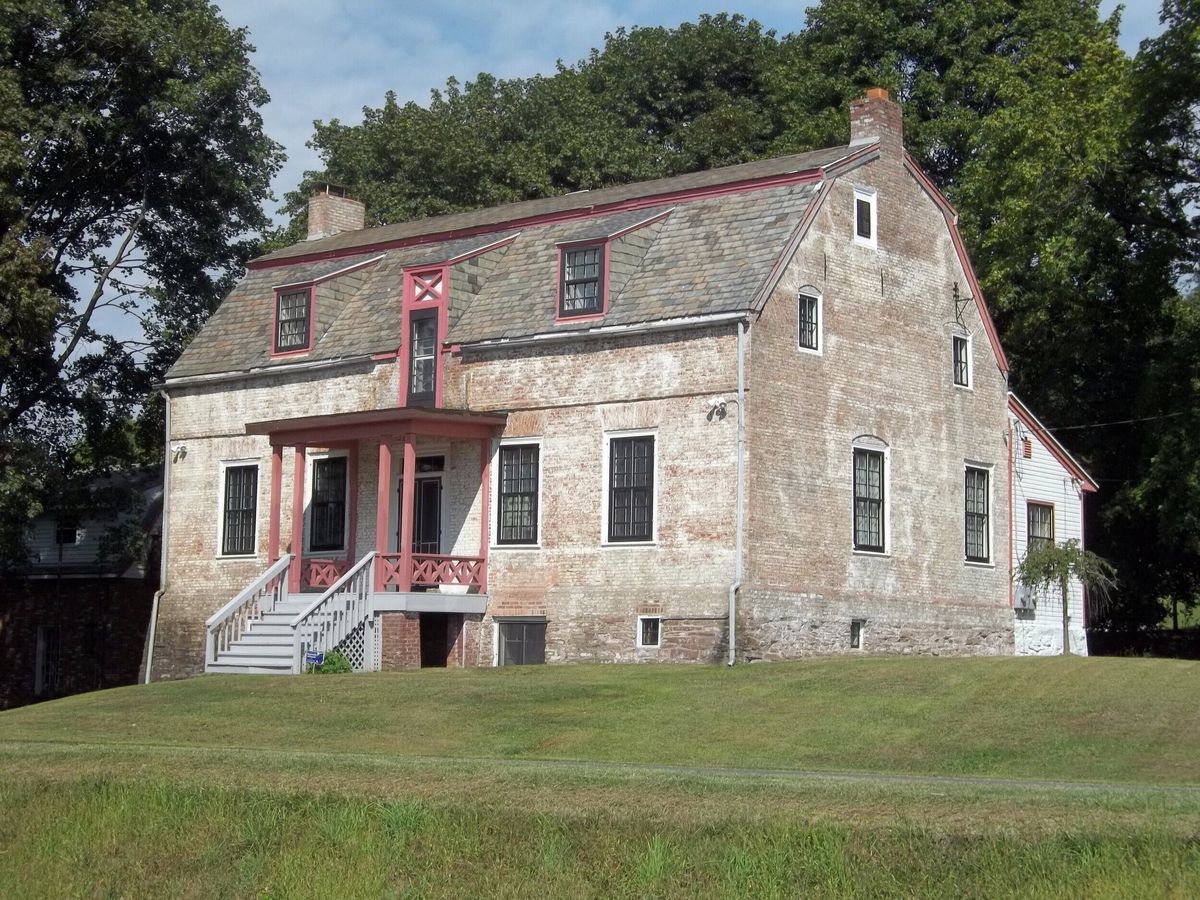
Ever wondered what secrets lie beneath New York's bustling streets? The hidden waterways of New York's colonial Dutch settlements offer a fascinating glimpse into the past. These waterways, once vital for trade and daily life, now flow quietly beneath the city. Imagine walking through Manhattan, unaware of the streams and rivers that shaped its early history. From the Canal Street area, named for its original purpose, to the buried Minetta Brook in Greenwich Village, these hidden gems tell stories of a bygone era. Exploring these forgotten waterways can give you a new appreciation for New York's rich history and its transformation over centuries.
Hidden Waterways of New York's Colonial Dutch Settlements
New York's colonial Dutch settlements are rich with history and hidden waterways. These lesser-known spots offer a glimpse into the past, where the Dutch settlers once thrived. Let's dive into some of these fascinating locations.
1. Gowanus Canal
The Gowanus Canal in Brooklyn was once a vital waterway for Dutch settlers. Originally a tidal creek, it played a crucial role in transportation and trade. Today, it’s a mix of industrial history and modern revitalization efforts.
2. Newtown Creek
Newtown Creek, separating Brooklyn and Queens, served as a significant route for the Dutch. This waterway was essential for moving goods and people. Despite its industrial past, efforts are underway to restore its natural beauty.
3. Bronx River
The Bronx River, the only freshwater river in New York City, was a lifeline for early Dutch settlers. They used it for farming, fishing, and transportation. Today, it offers a peaceful escape with parks and green spaces along its banks.
4. Spuyten Duyvil Creek
Spuyten Duyvil Creek connects the Hudson River to the Harlem River. The Dutch name means "Spitting Devil," hinting at its treacherous waters. This creek was crucial for navigation and defense during colonial times.
5. Flushing Creek
Flushing Creek in Queens was another important waterway for the Dutch. It provided access to the interior of Long Island and supported agriculture. Restoration projects aim to bring back its ecological health.
6. Wallabout Bay
Wallabout Bay, located near the Brooklyn Navy Yard, was a bustling harbor for Dutch settlers. It played a key role in trade and shipbuilding. Today, it’s a reminder of Brooklyn’s maritime heritage.
7. Harlem River
The Harlem River, separating Manhattan from the Bronx, was a strategic waterway for the Dutch. It facilitated trade and movement between settlements. Modern bridges and parks now line its banks, blending history with urban life.
8. Bushwick Inlet
Bushwick Inlet in Brooklyn was a hidden gem for Dutch settlers. It provided a sheltered harbor and access to the East River. The area is now part of a revitalization project, turning industrial land into green spaces.
9. Fresh Kills
Fresh Kills on Staten Island was a vital waterway for the Dutch, used for farming and fishing. The name means "Fresh Streams" in Dutch. Today, it’s being transformed into one of the largest parks in New York City.
10. Jamaica Bay
Jamaica Bay, located in Queens, was a rich resource for the Dutch. Its marshes and waterways supported fishing and trade. Now part of the Gateway National Recreation Area, it offers wildlife habitats and recreational opportunities.
11. Kill Van Kull
Kill Van Kull, between Staten Island and Bayonne, New Jersey, was a crucial passage for Dutch ships. The name means "Channel of the Pass" in Dutch. It remains a busy shipping route, connecting to the Port of New York and New Jersey.
12. East River
The East River, separating Manhattan from Brooklyn and Queens, was a lifeline for Dutch settlers. It facilitated trade and transportation, shaping the growth of New Amsterdam. Today, it’s lined with parks, piers, and bustling neighborhoods.
Discovering New York's Hidden Waterways
Exploring New York's hidden waterways offers a unique glimpse into the state's colonial Dutch past. These lesser-known streams, rivers, and canals reveal stories of early settlers, trade routes, and daily life. Walking along these waterways, you can almost hear the echoes of history, from bustling markets to quiet moments of reflection.
Visiting these sites provides a deeper understanding of how the Dutch influenced New York's development. The waterways were vital for transportation, commerce, and communication, shaping the region's growth. Today, they offer a peaceful retreat from the city's hustle, inviting you to slow down and appreciate the natural beauty and historical significance.
Whether you're a history buff or just looking for a new adventure, New York's hidden waterways are worth exploring. They connect us to the past while offering a serene escape in the present.
