

Secrets Of New Mexico’s Fort Stanton Military Outposts
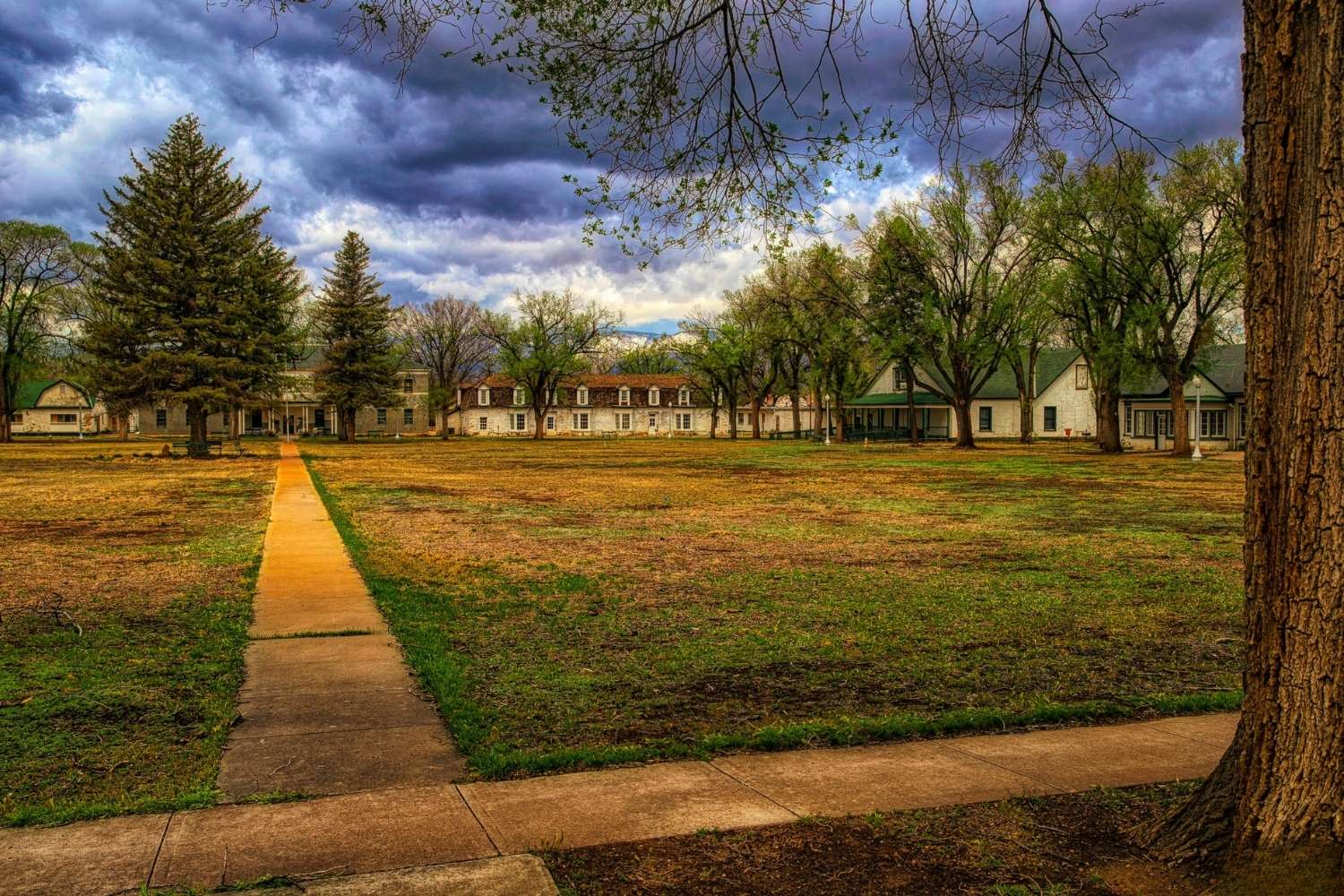
Have you ever wondered about the hidden stories behind New Mexico's Fort Stanton Military Outposts? This historic site, established in 1855, has witnessed countless events shaping the region's history. From its role in the Indian Wars to its use during World War II, Fort Stanton offers a fascinating glimpse into the past. Imagine walking through the same grounds where soldiers once stood, exploring buildings that have stood the test of time. Whether you're a history buff or just curious about the past, Fort Stanton provides a unique opportunity to step back in time and uncover the rich heritage of New Mexico.
Secrets of New Mexico's Fort Stanton Military Outposts
New Mexico's Fort Stanton holds a treasure trove of history. From its days as a military outpost to its role in the Lincoln County War, this fort has seen it all. Let's uncover some of the secrets hidden within its walls.
The Historic Fort Stanton
Fort Stanton, established in 1855, served as a military post to protect settlers from Apache raids. Over the years, it has been a hospital, internment camp, and even a tuberculosis sanatorium. Here are some key spots within the fort:
Officer's Quarters
These buildings housed the fort's commanding officers. Their preserved state offers a glimpse into the lives of military leaders during the 19th century.Enlisted Men's Barracks
The barracks provided shelter for soldiers stationed at the fort. Walking through these quarters, one can almost hear the echoes of past conversations and camaraderie.Fort Stanton Museum
This museum showcases artifacts and exhibits detailing the fort's diverse history. From military uniforms to medical equipment, each item tells a unique story.
The Lincoln County War
Fort Stanton played a significant role in the infamous Lincoln County War, a conflict between rival factions in the late 1870s. Here are some notable locations tied to this turbulent period:
Billy the Kid's Hideout
Legend has it that the notorious outlaw Billy the Kid sought refuge at Fort Stanton. The exact spot remains a mystery, adding to the fort's allure.The Courthouse
This building witnessed many trials and tribulations during the Lincoln County War. It stands as a testament to the fort's involvement in this historic feud.The Jailhouse
Many outlaws, including members of the Lincoln County War, were held here. The jailhouse's thick walls and iron bars speak volumes about the fort's role in maintaining order.
Fort Stanton's Medical Legacy
Beyond its military significance, Fort Stanton also served as a medical facility. Its contributions to healthcare are noteworthy:
Tuberculosis Sanatorium
In the early 20th century, the fort became a sanatorium for tuberculosis patients. The fresh mountain air and isolation made it an ideal location for treatment.Nurse's Quarters
These quarters housed the dedicated nurses who cared for tuberculosis patients. Their commitment to healing is evident in the preserved living spaces.Hospital Building
The hospital treated soldiers, tuberculosis patients, and even German POWs during World War II. Its history reflects the fort's adaptability and service to various communities.
Fort Stanton's Role in World War II
During World War II, Fort Stanton took on a new role as an internment camp for German sailors. This period added another layer to its multifaceted history:
German Internment Camp
The fort housed German sailors captured during the early days of World War II. Their presence left a lasting impact on the fort's legacy.POW Recreation Hall
This hall provided a space for German POWs to engage in recreational activities. It stands as a reminder of the fort's efforts to maintain humane conditions for its internees.Commandant's Office
The office where the camp's commandant managed daily operations. It offers insight into the administrative side of the internment camp.
Fort Stanton's Modern-Day Significance
Today, Fort Stanton is a historic site open to the public. Its preservation allows visitors to step back in time and experience its rich history firsthand:
Visitor Center
The center provides information, maps, and guided tours. It serves as the starting point for exploring the fort's many secrets.Walking Trails
These trails wind through the fort's grounds, offering scenic views and historical markers. They provide a peaceful way to explore the site.Annual Events
Fort Stanton hosts various events throughout the year, including reenactments and festivals. These events bring history to life and engage the community.
Fort Stanton's military outposts hold countless stories waiting to be uncovered. Each location within the fort offers a unique glimpse into its storied past.
Discovering Fort Stanton's Legacy
Fort Stanton's military outposts offer a unique glimpse into New Mexico's rich history. Exploring these sites, you can almost hear the echoes of soldiers and settlers who once called this place home. The fort's well-preserved buildings and artifacts tell stories of bravery, hardship, and daily life on the frontier.
Visiting Fort Stanton isn't just about seeing old structures; it's about connecting with the past. Walking through the barracks, hospital, and other buildings, you get a sense of the challenges and triumphs faced by those who lived there. The fort's role in various historical events, from the Indian Wars to World War II, adds layers of intrigue.
Whether you're a history buff or just looking for an interesting day trip, Fort Stanton's military outposts provide a fascinating journey through time. Don't miss the chance to experience this remarkable piece of New Mexico's heritage.
