

Secrets Of New Mexico’s Chloride Ghost Towns
Have you ever wondered what it feels like to step back in time? New Mexico's Chloride Ghost Towns offer a unique glimpse into the past. These abandoned towns, once bustling with miners and pioneers, now stand as silent witnesses to history. Walking through these eerie streets, you can almost hear the echoes of a bygone era. Rusty mining equipment, old wooden buildings, and faded signs tell stories of dreams and hardships. Perfect for history buffs and adventure seekers, these ghost towns provide an unforgettable experience. Ready to explore the mysteries hidden in the dusty corners of New Mexico? Let's dive into the secrets of these fascinating places.
Secrets of New Mexico's Chloride Ghost Towns
New Mexico's ghost towns are like stepping into a time machine. These abandoned places tell stories of boom and bust, of dreams and despair. Let's uncover some of the most intriguing ghost towns in the state.
1. Chloride
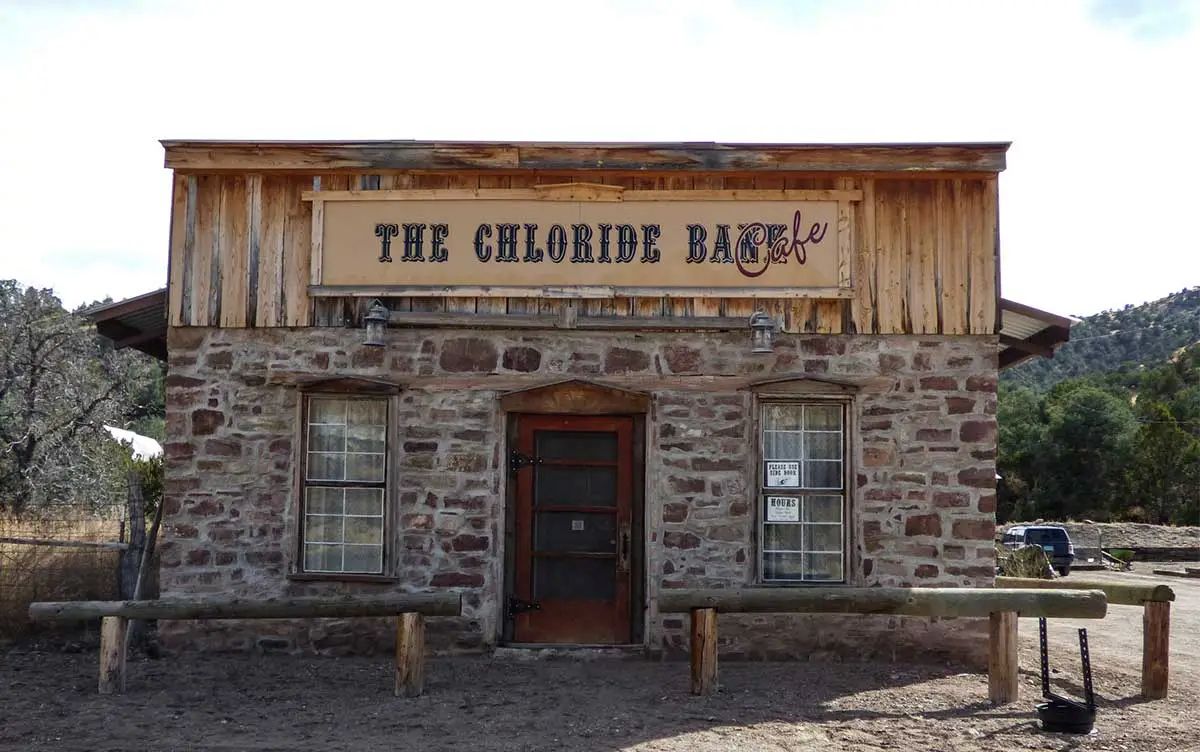
Chloride, once a bustling silver mining town, now stands as a quiet reminder of the past. Founded in 1880, it quickly grew with the discovery of silver. Today, visitors can explore the old buildings and imagine life during its heyday.
- Chloride Bank: This building, constructed in 1881, served as the town's bank. It's one of the best-preserved structures in Chloride.
- Pioneer Store Museum: Originally a general store, this museum offers a glimpse into the daily lives of Chloride's residents.
- Chloride Cemetery: Wander through the cemetery to see the final resting places of the town's early settlers.
2. Mogollon
Mogollon, hidden in the mountains, was once a thriving gold and silver mining town. Established in the late 1800s, it experienced several booms and busts before being abandoned.
- Silver Creek Inn: This historic inn has been restored and now serves as a bed and breakfast, offering a unique stay in a ghost town.
- Mogollon Museum: Housed in the old schoolhouse, the museum showcases artifacts and photographs from the town's mining days.
- Bunkhouse Theatre: Catch a show at this small theater, which hosts performances and events throughout the year.
3. Shakespeare
Shakespeare, named after the famous playwright, was a rough-and-tumble mining town. It saw its peak in the late 1800s before declining in the early 1900s.
- Shakespeare Stage Stop: This building served as a stagecoach stop and hotel. It's now part of a living history tour.
- Grant House: Once the home of the town's doctor, this house has been restored and is open for tours.
- Rough Rider Museum: Dedicated to the Rough Riders who trained in the area, this museum offers a fascinating look at local history.
4. Steins
Steins, located along the Southern Pacific Railroad, was a bustling railroad town. It thrived in the early 1900s before being abandoned in the 1940s.
- Steins Railroad Depot: This depot was the heart of the town, serving passengers and freight. It's now a museum.
- Steins Mercantile: Explore this old store, which still contains original merchandise from the town's heyday.
- Steins Cemetery: Visit the cemetery to see the graves of the town's early residents.
5. Lake Valley
Lake Valley, once a booming silver mining town, is now a ghost town managed by the Bureau of Land Management. It offers a well-preserved glimpse into the past.
- Lake Valley Schoolhouse: This restored schoolhouse provides insight into the education of children in the late 1800s.
- Hubbard Museum: Located in the old general store, this museum displays artifacts from the town's mining days.
- Lake Valley Cemetery: Wander through the cemetery to see the graves of miners and their families.
6. White Oaks
White Oaks, once one of New Mexico's largest gold mining towns, is now a quiet ghost town. It was known for its lawlessness and colorful characters.
- No Scum Allowed Saloon: This historic saloon still operates, offering a taste of the Wild West.
- White Oaks Schoolhouse: Visit the old schoolhouse, which has been preserved as a museum.
- Cedarvale Cemetery: Explore the cemetery to find the graves of some of the town's most notorious residents.
7. Dawson
Dawson, a coal mining town, experienced tragedy with two major mining disasters. It was abandoned in the 1950s but still holds a poignant history.
- Dawson Cemetery: This cemetery is a somber reminder of the mining disasters, with many graves marked by white iron crosses.
- Dawson Ruins: Explore the remains of the town, including the old school and company store.
- Dawson Memorial: A memorial dedicated to the miners who lost their lives in the disasters.
Discover the Hidden Gems of Chloride Ghost Towns
New Mexico's Chloride ghost towns offer a unique glimpse into the past. These towns, once bustling with miners and pioneers, now stand as silent reminders of a bygone era. Exploring these sites, you can almost hear the echoes of history in the abandoned buildings and forgotten streets.
Visiting places like Chloride and Winston, you'll find not just ruins but stories waiting to be told. The old general stores, saloons, and homes paint a vivid picture of life during the silver boom.
Whether you're a history buff or just looking for an off-the-beaten-path adventure, these ghost towns provide a fascinating experience. Pack your bags, grab a camera, and set out to uncover the secrets of New Mexico's Chloride ghost towns. You won't regret stepping back in time to explore these hidden gems.
