

Secrets Of New Mexico’s Chaco Canyon Stone Structures
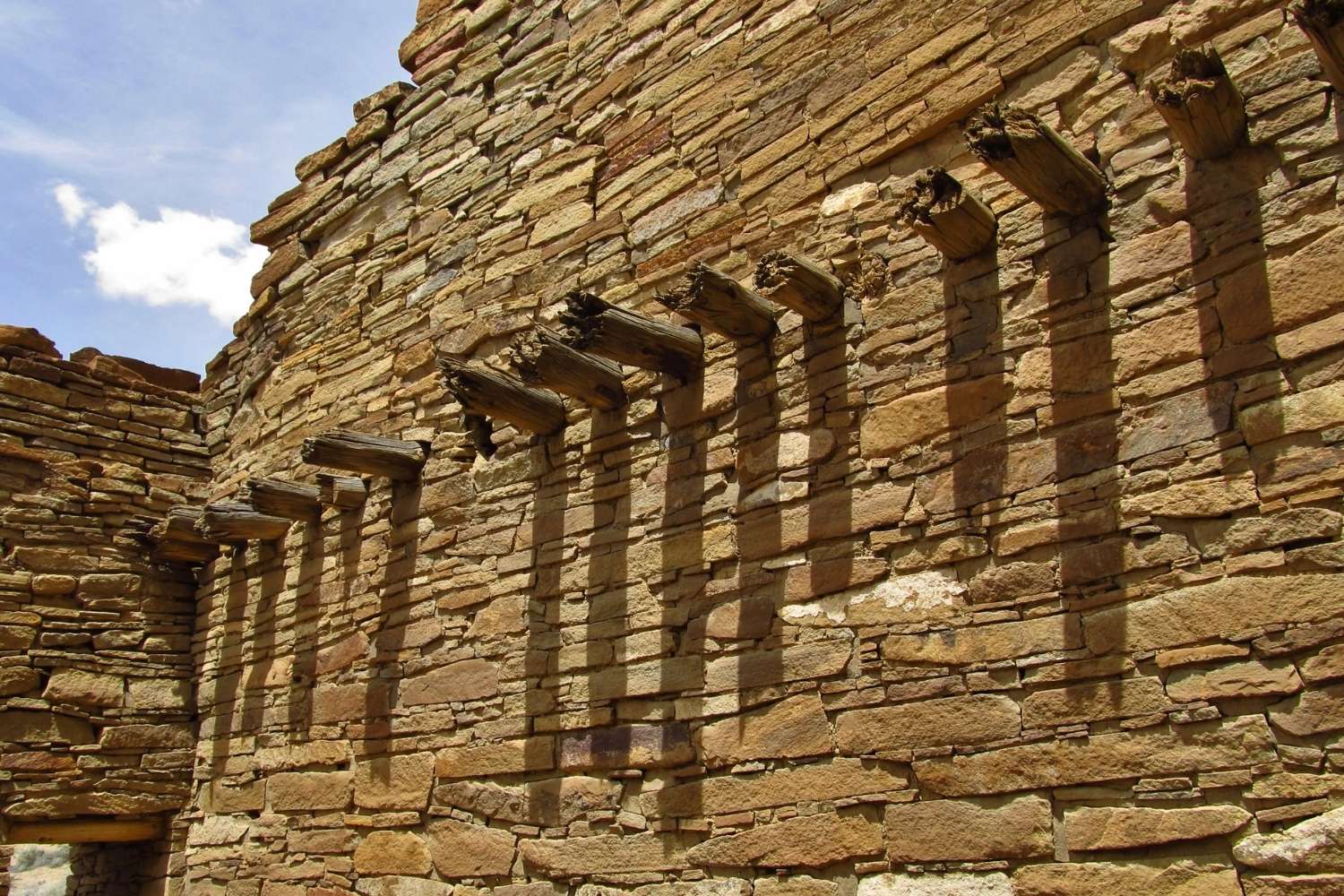
Have you ever wondered about the mysteries hidden within New Mexico's Chaco Canyon? This ancient site, located in the heart of the American Southwest, is home to some of the most impressive stone structures built by the Ancestral Puebloans. These structures, known as Great Houses, were constructed over a thousand years ago and continue to fascinate archaeologists and visitors alike. What makes these stone buildings so special? How did the builders achieve such architectural feats without modern tools? Join us as we explore the secrets of Chaco Canyon's stone structures, uncovering the history, techniques, and cultural significance behind these remarkable creations.
Mysteries of Chaco Canyon
Chaco Canyon, located in northwestern New Mexico, is a treasure trove of ancient stone structures. These ruins, built by the Ancestral Puebloans, hold secrets that continue to baffle archaeologists and historians. Let's uncover some of the most fascinating sites within this ancient landscape.
Great Houses
The Great Houses of Chaco Canyon are monumental structures that served as the center of Chacoan culture. These buildings were not just homes but also places for ceremonies, trade, and governance.
Pueblo Bonito: The largest and most famous Great House, Pueblo Bonito, boasts over 600 rooms and multiple stories. Its D-shaped structure and intricate masonry showcase the architectural prowess of the Chacoans.
Chetro Ketl: Slightly smaller than Pueblo Bonito, Chetro Ketl features a grand plaza and a unique colonnade. This site also has evidence of a sophisticated water management system.
Casa Rinconada: Known for its massive kiva, Casa Rinconada is a ceremonial structure that stands apart from the residential complexes. The kiva's precise alignment with celestial events suggests advanced astronomical knowledge.
Roads and Pathways
Chaco Canyon is crisscrossed by an extensive network of roads, some stretching over 100 miles. These roads connected Chaco to other distant communities, indicating a complex and far-reaching society.
Great North Road: This road extends directly north from Chaco Canyon and is believed to have had ceremonial significance. Its straight path and width are impressive feats of engineering.
South Road: Leading southward, this road connected Chaco to other important sites like the Aztec Ruins. The road's construction involved significant labor and resources, highlighting its importance.
Petroglyphs and Rock Art
The canyon walls are adorned with petroglyphs and rock art that provide glimpses into the spiritual and daily lives of the Chacoans. These carvings and paintings are more than just art; they are historical records.
Fajada Butte: This site features the famous "Sun Dagger" petroglyph, which marks the solstices and equinoxes. The interplay of light and shadow on the petroglyphs demonstrates the Chacoans' sophisticated understanding of astronomy.
Piedra del Sol: Another significant rock art site, Piedra del Sol, includes intricate carvings that depict various animals, human figures, and geometric patterns. These images offer insights into the Chacoans' beliefs and practices.
Outlier Communities
Beyond the central canyon, numerous outlier communities were connected to Chaco. These smaller sites played crucial roles in the broader Chacoan network.
Kin Bineola: Located about 12 miles from the main canyon, Kin Bineola is a smaller Great House that shares architectural similarities with the central sites. Its strategic location suggests it was a hub for regional trade and communication.
Kin Klizhin: Situated to the southwest, Kin Klizhin features a Great House and a unique tower kiva. The site's layout and artifacts indicate it was an important agricultural and ceremonial center.
Astronomy and Alignment
The Chacoans had a deep understanding of astronomy, which they incorporated into their architecture. Many structures are aligned with celestial events, reflecting their sophisticated knowledge of the cosmos.
Pueblo Alto: This site is strategically placed on a mesa top, offering panoramic views of the surrounding landscape. Its alignment with the cardinal directions and solstices suggests it was used for astronomical observations.
Wijiji: A smaller Great House, Wijiji is aligned with the winter solstice sunrise. The precise construction and orientation of this site highlight the Chacoans' advanced astronomical skills.
Chaco Canyon's stone structures are a testament to the ingenuity and complexity of the Ancestral Puebloans. Each site within the canyon reveals a piece of the puzzle, offering a deeper understanding of this ancient civilization.
The Timeless Allure of Chaco Canyon
Chaco Canyon's stone structures hold a unique place in history. These ancient buildings, with their intricate designs and mysterious purposes, continue to fascinate archaeologists and travelers alike. Visiting this site offers a glimpse into the lives of the Ancestral Puebloans, showcasing their architectural genius and cultural richness. Exploring the canyon, you can feel the connection to a civilization that thrived in harmony with its environment.
Whether you're an avid historian or just curious about ancient cultures, Chaco Canyon provides a captivating experience. The blend of natural beauty and human ingenuity makes it a must-see destination. So, pack your bags, grab your camera, and get ready to step back in time. Chaco Canyon awaits, ready to share its secrets with those who seek to understand its timeless allure.
