

Secrets Of New Mexico’s Chaco Canyon Stone Circles
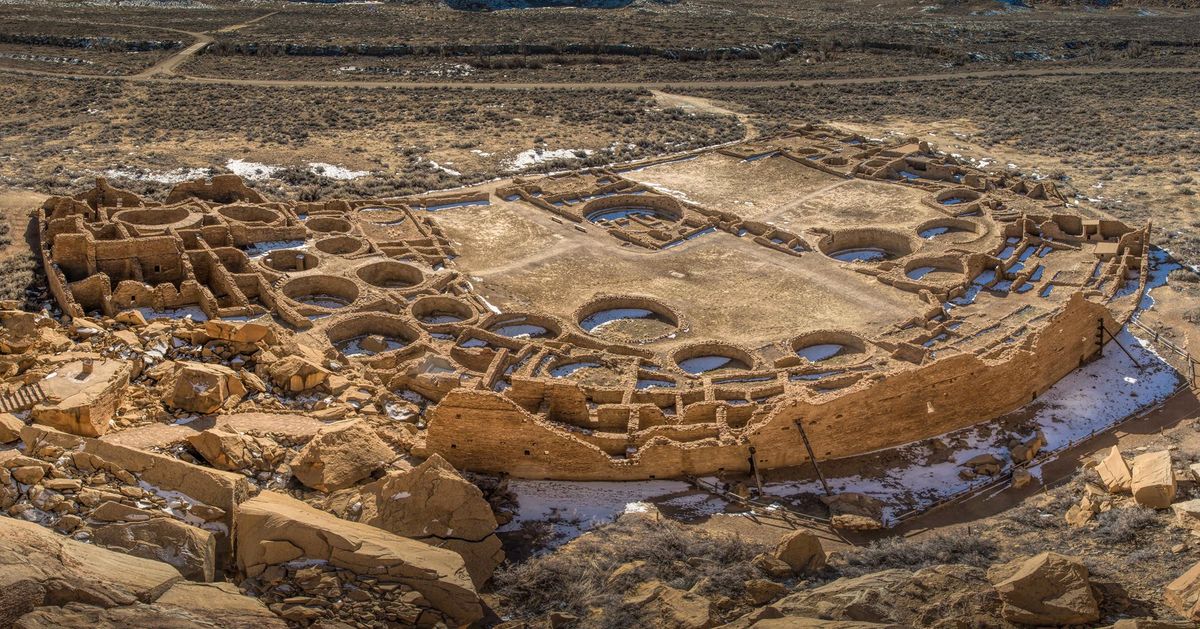
Have you ever wondered about the mysteries of Chaco Canyon? This ancient site in New Mexico is home to incredible stone circles that have puzzled historians and archaeologists for years. These circles, also known as kivas, were built by the Ancestral Puebloans over a thousand years ago. But why did they create these structures? Some believe they were used for religious ceremonies, while others think they served as gathering places for the community. The Chaco Canyon stone circles offer a glimpse into a fascinating culture and its way of life. Let's dive into the secrets and stories behind these ancient marvels.
Secrets of New Mexico's Chaco Canyon Stone Circles
Chaco Canyon, located in northwestern New Mexico, is a place of mystery and wonder. The ancient stone circles found here have puzzled archaeologists and historians for years. These circles, built by the Ancestral Puebloans, hold secrets about their culture, astronomy, and daily life. Let's uncover some of the most fascinating stone circles in Chaco Canyon.
1. Pueblo Bonito
Pueblo Bonito is the largest and most famous of the Chacoan stone circles. This massive structure, with over 600 rooms, was a hub of activity and trade. The circular kivas within Pueblo Bonito were used for religious ceremonies and community gatherings. The precision of its construction reflects the advanced engineering skills of the Ancestral Puebloans.
2. Chetro Ketl
Chetro Ketl, another grand stone circle, is known for its unique architecture. It features a great kiva, which is one of the largest in Chaco Canyon. The intricate masonry and the sheer size of Chetro Ketl suggest it was an important ceremonial center. The plaza, surrounded by rooms, indicates a complex social structure.
3. Casa Rinconada
Casa Rinconada stands out due to its isolated location and impressive size. This great kiva is one of the most well-preserved in Chaco Canyon. Its design includes a central fire pit, a ventilation system, and niches in the walls, which likely held ceremonial objects. The alignment of Casa Rinconada with celestial events hints at its use in astronomical observations.
4. Una Vida
Una Vida is one of the earliest stone circles in Chaco Canyon. Although smaller than Pueblo Bonito and Chetro Ketl, it provides valuable insights into the early development of Chacoan society. The kivas at Una Vida are less elaborate, suggesting a simpler, more communal lifestyle. The petroglyphs nearby offer glimpses into the spiritual beliefs of the Ancestral Puebloans.
5. Kin Kletso
Kin Kletso, meaning "Yellow House," is a smaller, yet significant stone circle. Its rectangular layout and fewer rooms indicate it was likely a residential site. The presence of pottery and tools suggests daily life activities took place here. Kin Kletso's proximity to other major sites implies it was part of a larger network of communities.
6. Hungo Pavi
Hungo Pavi is another intriguing stone circle in Chaco Canyon. Although not as extensively excavated as other sites, it offers clues about the Chacoan way of life. The great kiva at Hungo Pavi is partially buried, preserving its original structure. The surrounding rooms and plazas suggest it was a place of both residence and ceremony.
7. Wijiji
Wijiji, one of the smaller stone circles, is known for its simplicity and elegance. Built later than other major sites, it reflects the evolution of Chacoan architecture. The single kiva and fewer rooms indicate a more intimate community. The stonework at Wijiji is remarkably well-preserved, showcasing the craftsmanship of the Ancestral Puebloans.
8. Peñasco Blanco
Peñasco Blanco is perched on a high mesa, offering stunning views of Chaco Canyon. This stone circle is famous for its "Supernova Pictograph," which may depict the supernova of 1054 AD. The kivas and rooms at Peñasco Blanco suggest it was a significant ceremonial site. The location and artwork highlight the Chacoans' connection to the cosmos.
9. Tsin Kletsin
Tsin Kletsin, meaning "Charcoal Place," is located on South Mesa. This stone circle is unique due to its defensive position and extensive room blocks. The great kiva at Tsin Kletsin is well-preserved, indicating its importance in religious activities. The site's strategic location suggests it played a role in protecting the Chacoan community.
10. Kin Nahasbas
Kin Nahasbas, though less known, offers a glimpse into the daily lives of the Ancestral Puebloans. The stone circle here includes a great kiva and several smaller rooms. Artifacts found at Kin Nahasbas, such as tools and pottery, reveal the practical aspects of Chacoan life. The site's layout suggests a close-knit community focused on both survival and spirituality.
Timeless Mysteries of Chaco Canyon
Chaco Canyon's stone circles hold secrets that continue to fascinate historians and travelers alike. These ancient structures, built by the Ancestral Puebloans, offer a glimpse into a world filled with astronomical knowledge, complex social structures, and spiritual significance. Visiting this UNESCO World Heritage site provides a unique opportunity to connect with the past and appreciate the ingenuity of early civilizations. Whether you're an archaeology enthusiast or just love exploring historical sites, Chaco Canyon promises an unforgettable experience. The mysteries of these stone circles remind us of the rich cultural heritage that has shaped our world. So, pack your bags, grab your hiking boots, and set out to uncover the timeless wonders of Chaco Canyon. The adventure awaits, and the secrets of the past are ready to be discovered.
