Secrets Of New Mexico’s Chaco Canyon Astronomy
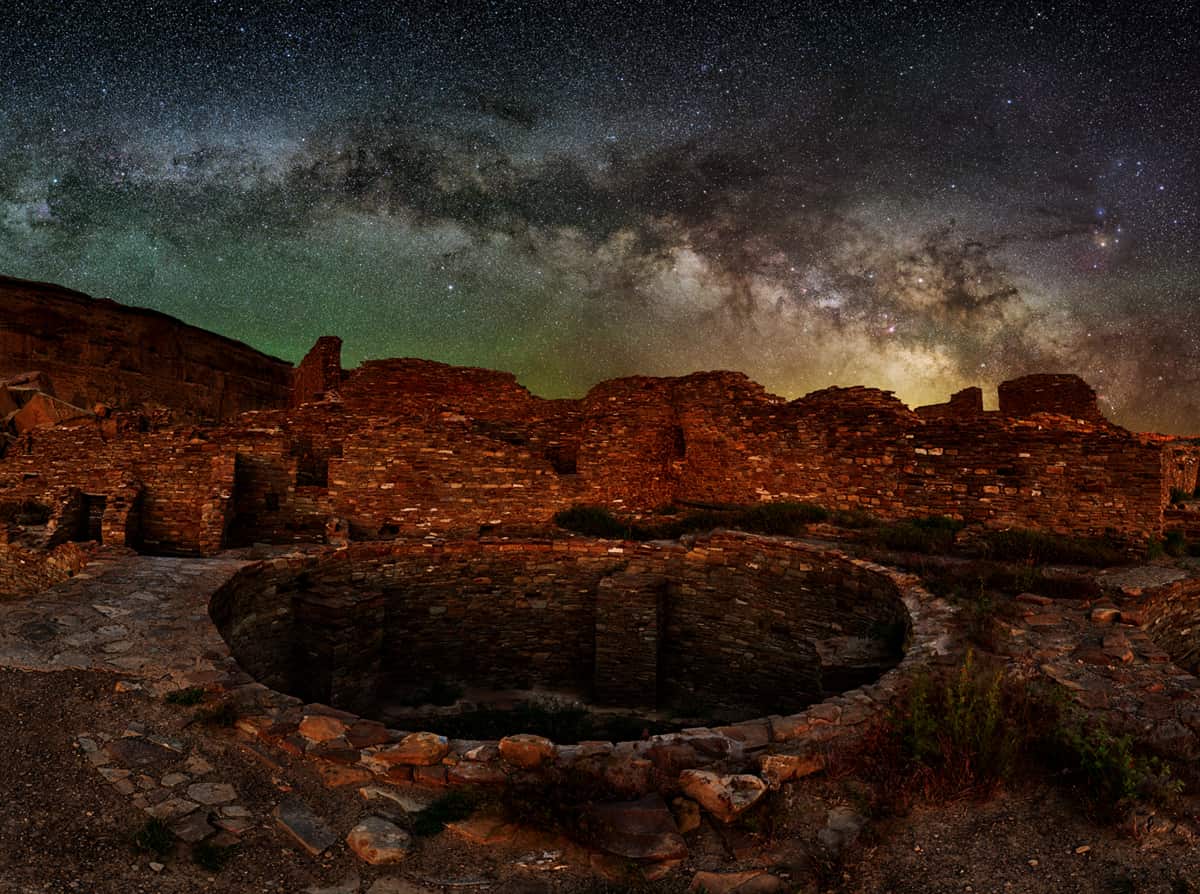
Have you ever wondered how ancient civilizations understood the stars? Chaco Canyon in New Mexico holds some of the most intriguing clues. This archaeological site, once the center of Puebloan culture, is famous for its advanced knowledge of astronomy. The ancient inhabitants built structures aligned with celestial events like solstices and equinoxes. Imagine standing among these ruins, where people once tracked the movements of the sun, moon, and stars with incredible precision. Visiting Chaco Canyon offers a unique glimpse into how early societies connected with the cosmos. Ready to learn more about this fascinating blend of history and astronomy? Let's dive in!
Secrets of New Mexico's Chaco Canyon Astronomy
Chaco Canyon, located in northwestern New Mexico, is a place of mystery and wonder. This ancient site, once the center of Puebloan culture, holds secrets of astronomical significance. Let's delve into the fascinating world of Chaco Canyon's astronomical marvels.
Ancient Observatories
Chaco Canyon is home to several ancient observatories. These structures were used by the Ancestral Puebloans to track celestial events. Here are some of the most intriguing observatories in Chaco Canyon:
Fajada Butte: This towering rock formation is famous for the "Sun Dagger" phenomenon. During solstices and equinoxes, sunlight passes through rock slabs, creating a dagger of light that marks these important dates.
Pueblo Bonito: The largest great house in Chaco Canyon, Pueblo Bonito, features alignments with the sun and moon. Its walls and windows are positioned to capture sunlight during solstices, showcasing the Puebloans' advanced understanding of astronomy.
Casa Rinconada: This massive kiva, or ceremonial structure, has a unique feature. A small window in the kiva aligns perfectly with the rising sun during the summer solstice, illuminating the interior.
Celestial Alignments
The Ancestral Puebloans were masters of celestial alignments. They built their structures to align with the movements of the sun, moon, and stars. Here are some examples of these alignments:
Kin Kletso: This smaller great house has walls that align with the cardinal directions. During solstices, the sun rises and sets in perfect alignment with these walls, demonstrating the Puebloans' precise astronomical knowledge.
Una Vida: One of the earliest great houses in Chaco Canyon, Una Vida, features alignments with both the sun and moon. Its layout suggests that the Puebloans used it to track lunar cycles and predict eclipses.
Hungo Pavi: This great house has a unique alignment with the moon. Its walls and windows are positioned to capture moonlight during specific lunar events, highlighting the importance of lunar cycles in Puebloan culture.
Petroglyphs and Rock Art
Chaco Canyon is rich in petroglyphs and rock art that depict celestial events. These ancient carvings provide insight into the Puebloans' astronomical knowledge. Here are some notable examples:
Supernova Pictograph: Near Penasco Blanco, a rock art panel depicts a starburst, crescent moon, and handprint. This is believed to represent the supernova of 1054 AD, which was visible in the daytime sky.
Piedra del Sol: This rock art panel features a spiral petroglyph that aligns with the sun's path. During solstices, sunlight illuminates the spiral, marking the changing seasons.
Petroglyph Trail: Along this trail, numerous petroglyphs depict celestial symbols, including stars, suns, and moons. These carvings offer a glimpse into the Puebloans' deep connection with the cosmos.
The Chacoan Roads
The Chacoan roads are another fascinating aspect of Chaco Canyon's astronomical secrets. These ancient roads, stretching for miles, are believed to have had astronomical significance. Here are some key roads:
Great North Road: This road extends north from Chaco Canyon and is thought to align with the North Star. It may have been used for ceremonial purposes, guiding travelers toward the celestial pole.
South Road: Leading south from Chaco Canyon, this road aligns with the winter solstice sunrise. It likely served as a ceremonial pathway, connecting Chaco Canyon with other important sites.
West Road: This road aligns with the summer solstice sunset. It may have been used for rituals and ceremonies related to the changing seasons.
Chaco Canyon's astronomical secrets continue to captivate researchers and visitors alike. The Ancestral Puebloans' advanced understanding of celestial events is a testament to their ingenuity and connection with the cosmos.
The Enduring Legacy of Chaco Canyon
Chaco Canyon's astronomy secrets continue to amaze. The ancient Ancestral Puebloans built structures aligned with celestial events, showing their deep understanding of the sky. These alignments were not just for tracking time but also held spiritual significance. Visiting Chaco Canyon offers a glimpse into this rich history. The Great Kiva and Fajada Butte are must-see spots for anyone interested in ancient astronomy. Modern technology helps us understand these ancient practices better, but standing in the canyon, you can feel the connection to the past. Chaco Canyon remains a testament to human curiosity and ingenuity. Whether you're a history buff, an astronomy enthusiast, or just love exploring, Chaco Canyon has something to offer. Its legacy endures, reminding us of the incredible achievements of the Ancestral Puebloans.