

Secrets Of New Mexico’s Cave Research Foundation
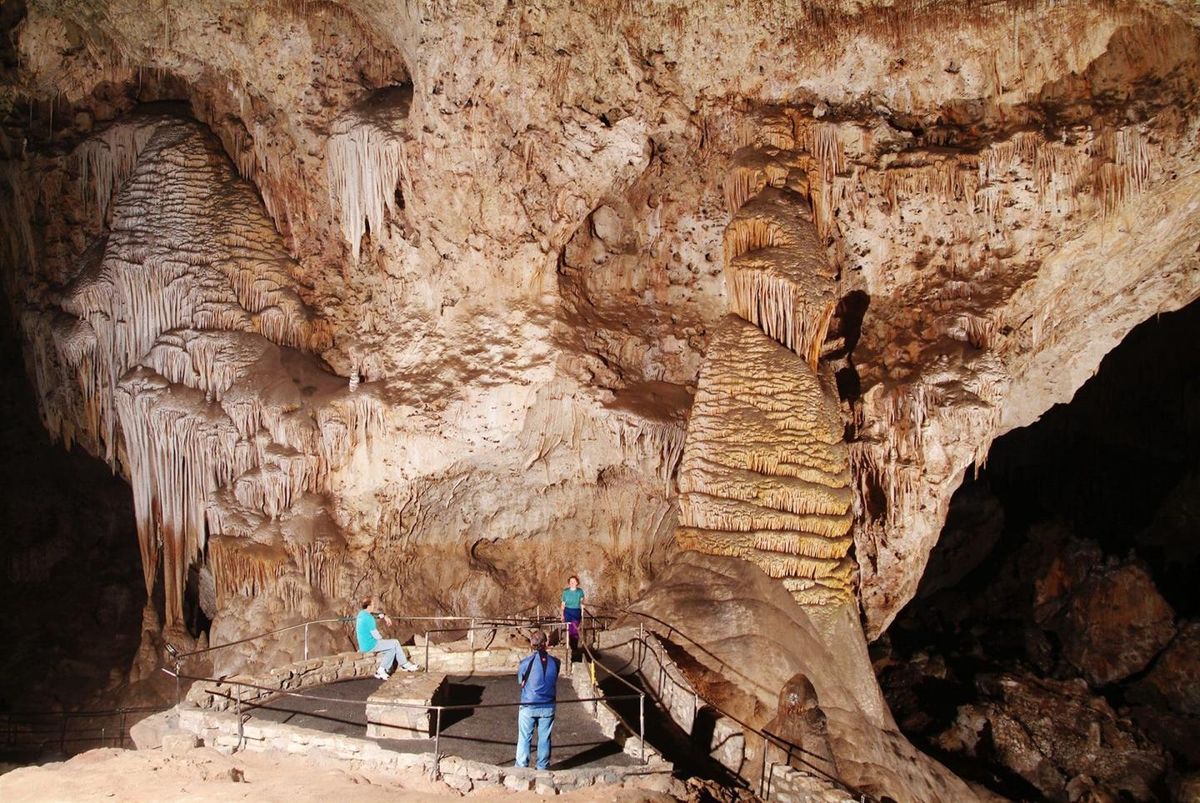
Have you ever wondered what lies beneath the surface of New Mexico? The Cave Research Foundation is dedicated to exploring and studying the hidden wonders of this state's underground world. From ancient formations to unique ecosystems, these caves hold secrets waiting to be uncovered. This organization not only maps and documents these natural wonders but also works to protect them for future generations. Whether you're a science enthusiast or just curious about the mysteries below, the Cave Research Foundation offers a glimpse into a fascinating subterranean realm. Join us as we delve into the depths of New Mexico's caves and uncover the marvels they hold.
New Mexico's Hidden Underground Wonders
New Mexico is famous for its stunning landscapes, but beneath the surface lies a world of hidden wonders. The Cave Research Foundation (CRF) has been exploring these subterranean marvels for years. Let's dive into some of the most fascinating caves they've studied.
Carlsbad Caverns National Park
Carlsbad Caverns is perhaps the most famous cave system in New Mexico. The CRF has conducted extensive research here, uncovering incredible formations and unique ecosystems.
- Big Room: This massive chamber is one of the largest underground rooms in North America. It's filled with stunning stalactites and stalagmites.
- King's Palace: A guided tour takes visitors through this series of four highly decorated chambers.
- Left Hand Tunnel: This less-visited part of the cave offers a more intimate experience with its narrow passages and delicate formations.
Lechuguilla Cave
Lechuguilla Cave is one of the most challenging and rewarding caves for researchers. Its intricate passages and rare formations make it a true gem.
- Chandelier Ballroom: Named for its stunning gypsum chandeliers, this room is a highlight of the cave.
- Lake of Liquid Sky: A crystal-clear underground lake that reflects the cave's formations beautifully.
- Sulfur Passage: Known for its unique sulfur formations, this passage is a testament to the cave's geological diversity.
Fort Stanton Cave
Fort Stanton Cave is another significant site for the CRF. It's home to the Snowy River Passage, one of the longest continuous calcite formations in the world.
- Snowy River Passage: This passage stretches for miles, with its white calcite floor resembling a river of snow.
- Bat Cave: A large chamber where thousands of bats roost, providing valuable data for researchers studying bat populations.
- Mud Turtle Passage: Named for its muddy floor, this passage offers a challenging but rewarding exploration.
El Malpais National Monument
El Malpais, meaning "the badlands," is a volcanic area with numerous lava tube caves. These caves offer a unique glimpse into the region's volcanic past.
- Big Skylight Cave: This cave features a large skylight opening, allowing sunlight to illuminate its interior.
- Junction Cave: A popular spot for cavers, with its easy access and fascinating lava formations.
- Four Windows Cave: Named for its four natural openings, this cave provides stunning views of the surrounding landscape.
Carlsbad Caverns National Park
Carlsbad Caverns is perhaps the most famous cave system in New Mexico. The CRF has conducted extensive research here, uncovering incredible formations and unique ecosystems.
- Big Room: This massive chamber is one of the largest underground rooms in North America. It's filled with stunning stalactites and stalagmites.
- King's Palace: A guided tour takes visitors through this series of four highly decorated chambers.
- Left Hand Tunnel: This less-visited part of the cave offers a more intimate experience with its narrow passages and delicate formations.
Lechuguilla Cave
Lechuguilla Cave is one of the most challenging and rewarding caves for researchers. Its intricate passages and rare formations make it a true gem.
- Chandelier Ballroom: Named for its stunning gypsum chandeliers, this room is a highlight of the cave.
- Lake of Liquid Sky: A crystal-clear underground lake that reflects the cave's formations beautifully.
- Sulfur Passage: Known for its unique sulfur formations, this passage is a testament to the cave's geological diversity.
Fort Stanton Cave
Fort Stanton Cave is another significant site for the CRF. It's home to the Snowy River Passage, one of the longest continuous calcite formations in the world.
- Snowy River Passage: This passage stretches for miles, with its white calcite floor resembling a river of snow.
- Bat Cave: A large chamber where thousands of bats roost, providing valuable data for researchers studying bat populations.
- Mud Turtle Passage: Named for its muddy floor, this passage offers a challenging but rewarding exploration.
El Malpais National Monument
El Malpais, meaning "the badlands," is a volcanic area with numerous lava tube caves. These caves offer a unique glimpse into the region's volcanic past.
- Big Skylight Cave: This cave features a large skylight opening, allowing sunlight to illuminate its interior.
- Junction Cave: A popular spot for cavers, with its easy access and fascinating lava formations.
- Four Windows Cave: Named for its four natural openings, this cave provides stunning views of the surrounding landscape.
The Last Word on New Mexico's Cave Research Foundation
New Mexico's Cave Research Foundation offers a unique glimpse into the underground world. Exploring these caves reveals stunning formations, hidden ecosystems, and a rich history. The foundation's work helps preserve these natural wonders for future generations. Visiting these caves isn't just an adventure; it's a chance to learn about geology, biology, and conservation. Whether you're a seasoned spelunker or a curious traveler, the caves of New Mexico have something to offer. The foundation's dedication ensures these sites remain protected and accessible. Next time you're in New Mexico, consider a cave tour. You'll gain a deeper appreciation for the natural world and the efforts to preserve it. The Cave Research Foundation's work is vital, and your visit supports their mission. So, pack your gear and get ready to explore the hidden treasures beneath New Mexico's surface.
