

Secrets Of New Mexico’s Ancient Water Wheels
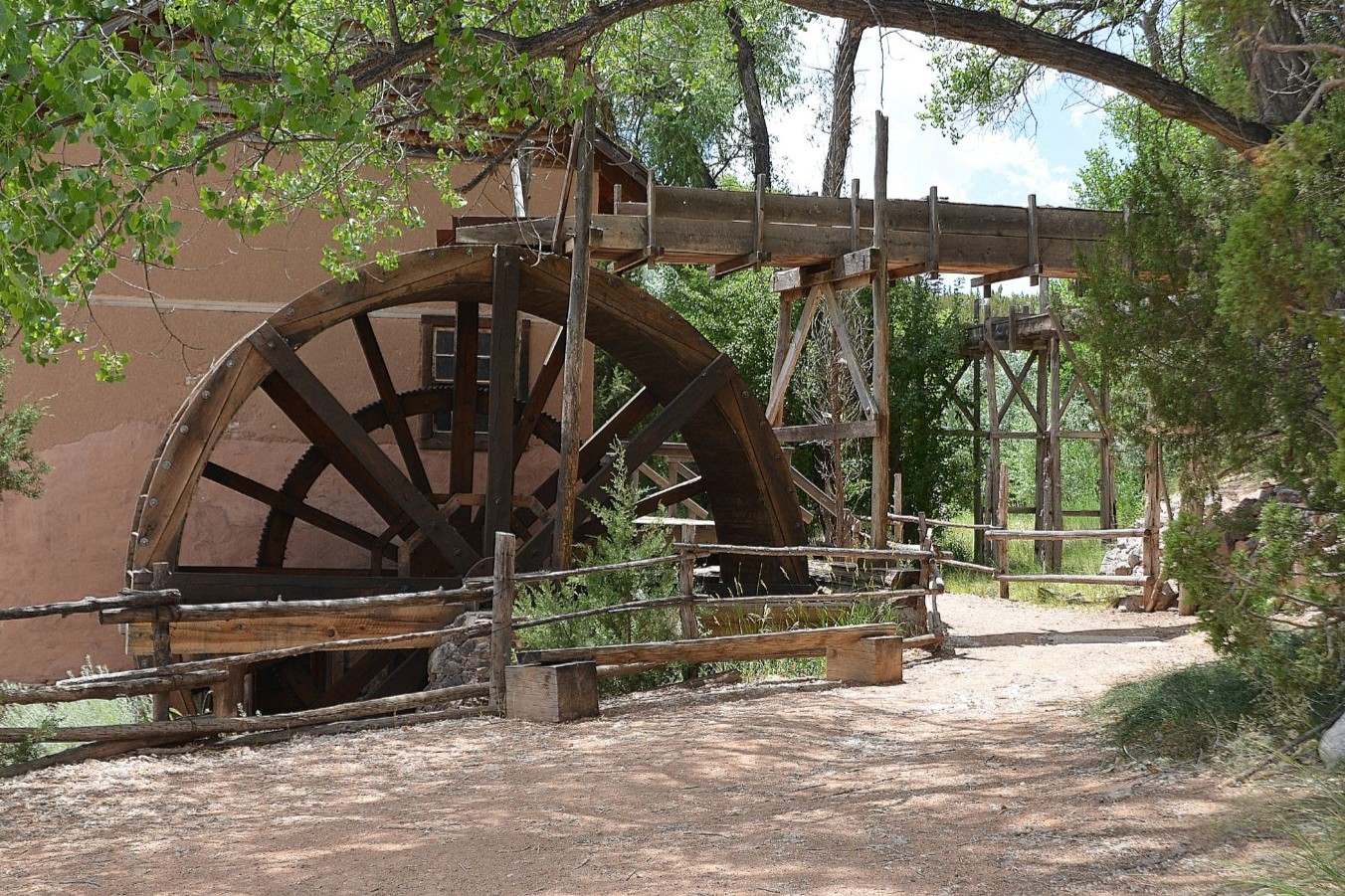
Have you ever wondered how ancient civilizations managed their water supply? In New Mexico, ancient water wheels played a crucial role in sustaining communities. These ingenious devices, known as acequias, were more than just tools; they were lifelines. Built by early settlers, these water wheels harnessed the power of rivers to irrigate fields, ensuring crops thrived in the arid landscape. Imagine the ingenuity required to create such a system without modern technology! Today, these historical marvels offer a glimpse into the resourcefulness of past generations. Let's dive into the fascinating world of New Mexico's ancient water wheels and uncover their secrets.
Discovering New Mexico's Ancient Water Wheels
New Mexico, a land of rich history and diverse landscapes, hides a fascinating secret: ancient water wheels. These marvels of engineering once played a crucial role in the lives of the people who lived here. Let's uncover some of the most intriguing spots where you can witness these historical treasures.
1. Santa Fe River
The Santa Fe River, winding through the heart of New Mexico's capital, is home to remnants of ancient water wheels. These wheels once powered mills and provided irrigation for local agriculture. Walking along the river, you can almost hear the creak of the wooden wheels turning.
2. Las Trampas
Nestled in the Sangre de Cristo Mountains, Las Trampas is a small village with a big history. Here, you can find the remains of water wheels that were used by early settlers to grind grain and pump water. The village itself is a living museum, with adobe buildings and a historic church adding to its charm.
3. Taos Pueblo
Taos Pueblo, a UNESCO World Heritage site, is one of the oldest continuously inhabited communities in the United States. The Pueblo's ancient water wheels were essential for irrigation and daily life. Visiting Taos Pueblo offers a glimpse into the ingenuity of its people and their harmonious relationship with nature.
4. Jemez Springs
Jemez Springs, known for its hot springs and stunning landscapes, also boasts ancient water wheels. These wheels were used by the Jemez people for irrigation and milling. Exploring the area, you can find traces of these historic structures while enjoying the natural beauty of the Jemez Mountains.
5. Pecos National Historical Park
Pecos National Historical Park, located in the Pecos Valley, preserves the ruins of Pecos Pueblo and Spanish mission churches. Among these ruins, you can find evidence of ancient water wheels that once supported the community's agriculture. The park offers a unique blend of natural beauty and historical significance.
6. Acoma Pueblo
Acoma Pueblo, also known as Sky City, sits atop a mesa and offers breathtaking views of the surrounding desert. The ancient water wheels here were vital for sustaining the community in this arid landscape. Visiting Acoma Pueblo provides insight into the resourcefulness of its inhabitants and their ability to thrive in challenging conditions.
7. Chimayó
Chimayó, famous for its healing dirt and historic church, also has a history of water wheels. These wheels were used by early settlers for irrigation and milling. The village's picturesque setting and rich history make it a must-visit destination for those interested in New Mexico's ancient water wheels.
8. Zuni Pueblo
Zuni Pueblo, located in western New Mexico, is another site where ancient water wheels played a crucial role. The Zuni people used these wheels for irrigation and to power their mills. Visiting Zuni Pueblo offers a chance to learn about the culture and history of the Zuni people while exploring the remnants of their innovative water management systems.
9. Socorro
Socorro, a city with a rich mining history, also has ties to ancient water wheels. These wheels were used to pump water from mines and for irrigation. Exploring Socorro's historic sites and museums provides a deeper understanding of the city's past and the importance of water wheels in its development.
10. Mesilla Valley
The Mesilla Valley, known for its fertile land and vibrant agriculture, has a history of water wheels used for irrigation. These wheels helped transform the valley into a productive farming region. Visiting the Mesilla Valley offers a chance to see how ancient technology shaped the landscape and supported the local economy.
The Legacy of New Mexico's Ancient Water Wheels
New Mexico's ancient water wheels tell stories of innovation and survival. These structures, built by early settlers, played a crucial role in transforming arid landscapes into fertile lands. They showcase the ingenuity of past generations who harnessed natural resources to sustain their communities. Visiting these historic sites offers a glimpse into the past, highlighting the importance of water management in an unforgiving environment. Exploring these water wheels not only enriches our understanding of history but also inspires appreciation for the resourcefulness of those who came before us. Next time you're in New Mexico, take a moment to marvel at these engineering marvels. Their legacy continues to influence modern water conservation efforts, reminding us of the timeless connection between humans and nature.
