

Secrets Of New Mexico’s Ancient Volcanic Craters
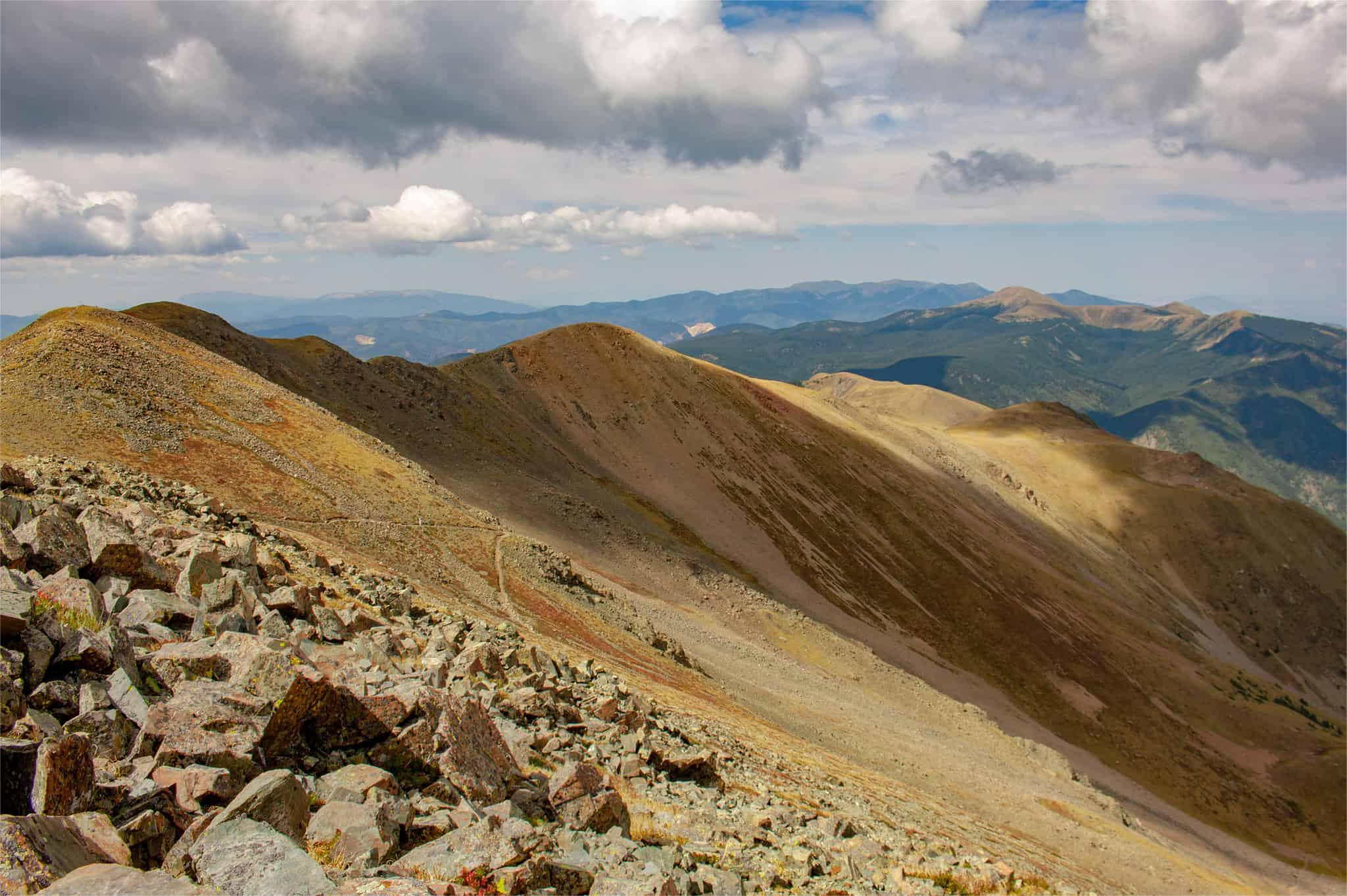
Have you ever wondered about the hidden gems of New Mexico? One of the most intriguing features is its ancient volcanic craters. These natural wonders offer a glimpse into the Earth's fiery past. Imagine standing on the edge of a massive crater, feeling the history beneath your feet. New Mexico's volcanic craters are not just geological formations; they are stories etched in stone. From the Capulin Volcano to the Valles Caldera, each crater has its own unique tale. Whether you're a geology enthusiast or just love exploring nature, these craters provide an unforgettable experience. Ready to learn more about these fascinating sites? Let's dive in!
Discovering New Mexico's Ancient Volcanic Craters
New Mexico, often called the Land of Enchantment, hides a fiery past beneath its serene landscapes. Ancient volcanic craters dot the state, offering glimpses into Earth's tumultuous history. These craters, formed by powerful eruptions, now serve as natural wonders and adventure spots. Let's explore some of the most fascinating volcanic craters in New Mexico.
1. Valles Caldera
Nestled in the Jemez Mountains, Valles Caldera is a massive volcanic crater spanning 13 miles in diameter. This supervolcano erupted over a million years ago, creating a lush valley teeming with wildlife. Visitors can hike, fish, and even spot elk roaming the meadows. The caldera's geothermal features, like hot springs and fumaroles, add to its allure.
2. Capulin Volcano
Capulin Volcano, a striking cinder cone, rises dramatically from the plains of northeastern New Mexico. This extinct volcano offers panoramic views from its rim, accessible via a paved road. Hiking trails wind through ancient lava flows and wildflower meadows, making it a perfect spot for nature enthusiasts. The visitor center provides insights into the volcano's history and geology.
3. Kilbourne Hole
Kilbourne Hole, a maar volcanic crater, lies in the desert near the Texas border. Unlike typical craters, maars form when groundwater interacts explosively with magma. Kilbourne Hole's unique geology attracts geologists and rockhounds searching for olivine crystals. The stark, otherworldly landscape makes it a fascinating destination for off-the-beaten-path explorers.
4. Zuni-Bandera Volcanic Field
The Zuni-Bandera Volcanic Field, located in western New Mexico, boasts numerous volcanic features, including craters, lava tubes, and cinder cones. Bandera Crater, one of the largest, offers a glimpse into the region's volcanic past. Visitors can explore the Ice Cave, a natural underground chamber where ice persists year-round, even in the desert heat.
5. Carrizozo Malpais
Carrizozo Malpais, a vast lava field, stretches for miles across the Tularosa Basin. Formed by a series of eruptions around 5,000 years ago, the rugged terrain is a testament to the power of volcanic activity. The Valley of Fires Recreation Area provides access to trails that wind through the jagged lava flows, offering a unique hiking experience.
6. El Malpais National Monument
El Malpais National Monument, meaning "the badlands" in Spanish, is a volcanic wonderland in western New Mexico. The monument features lava tubes, cinder cones, and expansive lava fields. Visitors can explore the Big Tubes Area, where massive lava tubes create underground passages. The rugged beauty of El Malpais makes it a haven for adventurers and photographers alike.
7. Red Hill Volcanic Field
Red Hill Volcanic Field, near the Arizona border, is a lesser-known gem. This volcanic field contains numerous cinder cones and lava flows, offering a glimpse into the region's fiery past. The area is remote and less visited, providing a sense of solitude and discovery for those willing to venture off the beaten path.
8. Mount Taylor
Mount Taylor, a stratovolcano near Grants, New Mexico, stands as a prominent landmark. This ancient volcano, sacred to Native American tribes, offers hiking trails leading to its summit. The views from the top are breathtaking, with vistas stretching across the high desert. Mount Taylor's cultural and geological significance make it a must-visit destination.
9. San Antonio Mountain
San Antonio Mountain, a large volcanic dome, dominates the landscape near the Colorado border. This extinct volcano rises over 10,000 feet, offering stunning views of the surrounding plains and mountains. The area is popular for hiking, wildlife viewing, and photography, providing a serene escape into nature.
10. Ute Mountain
Ute Mountain, part of the Ute Mountain Ute Tribe's reservation, is a volcanic peak with deep cultural significance. The mountain's rugged terrain and unique geology make it a fascinating destination for those interested in both natural and cultural history. Visitors can learn about the tribe's heritage while exploring the volcanic landscape.
Discovering New Mexico's Volcanic Wonders
New Mexico's ancient volcanic craters offer a unique glimpse into the Earth's fiery past. Visiting these sites, like the Valles Caldera or Capulin Volcano, provides an unforgettable experience. The landscapes are stunning, with diverse wildlife and breathtaking views. Hiking trails cater to all skill levels, making it accessible for everyone. Don't forget to bring a camera to capture the beauty of these natural wonders. Exploring these craters is not just about the scenery; it's also a journey through geological history. Each crater tells a story of powerful eruptions that shaped the land. Whether you're a geology enthusiast or just love nature, New Mexico's volcanic craters are a must-see. Plan your trip, lace up your hiking boots, and get ready to be amazed by the raw beauty and history of these incredible formations.
