Secrets Of New Mexico’s Ancient Agricultural Fields
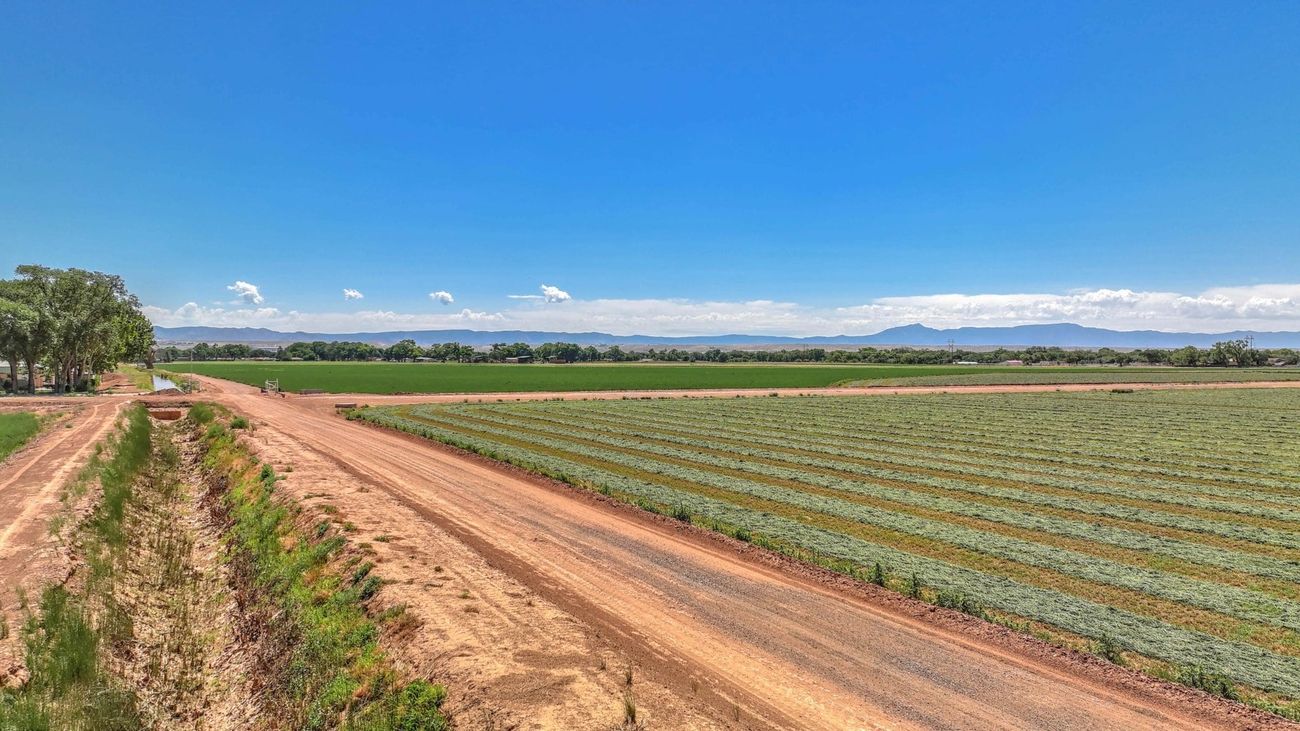
Have you ever wondered about the ancient agricultural fields of New Mexico? These fields, dating back thousands of years, reveal the ingenuity of early Native American farmers. They developed advanced irrigation systems and farming techniques to thrive in the arid landscape. Visiting these historical sites offers a glimpse into the past, showcasing how communities adapted to their environment. From the intricate canal systems of the Hohokam to the terraced fields of the Ancestral Puebloans, each site tells a unique story. Exploring these ancient fields not only enriches our understanding of history but also highlights the resilience and creativity of early civilizations.
Secrets of New Mexico's Ancient Agricultural Fields
New Mexico's landscape holds secrets of ancient agricultural fields that tell stories of early civilizations. These fields, some dating back thousands of years, showcase the ingenuity and resilience of ancient farmers. Let's explore some of these fascinating sites.
Chaco Canyon
Chaco Canyon, a UNESCO World Heritage Site, is a testament to the advanced agricultural practices of the Ancestral Puebloans. This area was a major center of culture and trade between 900 and 1150 AD.
- Pueblo Bonito: The largest great house in Chaco Canyon, Pueblo Bonito, had extensive farming areas. The Puebloans used sophisticated irrigation techniques to grow crops in the arid environment.
- Chetro Ketl: Another significant site in Chaco Canyon, Chetro Ketl, featured terraced fields and irrigation systems. These innovations allowed the Puebloans to sustain a large population.
Bandelier National Monument
Bandelier National Monument offers a glimpse into the lives of the Ancestral Puebloans who inhabited the area over 11,000 years ago. The monument preserves their homes, kivas, and agricultural fields.
- Tyuonyi Village: This village had extensive farming terraces. The Puebloans cultivated corn, beans, and squash, using dry farming techniques to make the most of limited water resources.
- Long House: Carved into the cliffs, Long House had nearby fields where the inhabitants practiced agriculture. The fields were strategically placed to capture runoff water from the cliffs.
Gila Cliff Dwellings
The Gila Cliff Dwellings, located in the Gila Wilderness, were home to the Mogollon people. These ancient farmers adapted to the rugged terrain to grow their crops.
- TJ Ruin: Near the cliff dwellings, the TJ Ruin site shows evidence of agricultural terraces. The Mogollon people used these terraces to grow maize, beans, and squash.
- Gila River Valley: The fertile valley below the cliff dwellings provided additional farming opportunities. The Mogollon people utilized the river's seasonal floods to irrigate their crops.
Mesa Verde National Park
Mesa Verde National Park, a UNESCO World Heritage Site, preserves the cliff dwellings and agricultural fields of the Ancestral Puebloans. These fields demonstrate their advanced farming techniques.
- Cliff Palace: The largest cliff dwelling in North America, Cliff Palace, had nearby fields where the Puebloans grew their crops. They used check dams and terraces to manage water and soil.
- Spruce Tree House: Another significant site in Mesa Verde, Spruce Tree House, had agricultural fields on the mesa tops. The Puebloans practiced dry farming and used natural springs for irrigation.
Pecos National Historical Park
Pecos National Historical Park preserves the ruins of Pecos Pueblo, a major trade center for the Puebloans. The park also includes evidence of their agricultural practices.
- Pecos Pueblo: The Puebloans at Pecos Pueblo cultivated crops in the surrounding fields. They used irrigation ditches to channel water from the Pecos River to their crops.
- Mission Church: The Spanish missionaries introduced new crops and farming techniques to the Puebloans. The mission's fields show a blend of Puebloan and Spanish agricultural practices.
Aztec Ruins National Monument
Aztec Ruins National Monument, another UNESCO World Heritage Site, showcases the impressive agricultural fields of the Ancestral Puebloans. These fields highlight their ability to adapt to different environments.
- Great Kiva: The Great Kiva at Aztec Ruins was surrounded by agricultural fields. The Puebloans used irrigation canals to bring water from the Animas River to their crops.
- West Ruin: This large complex had extensive farming areas. The Puebloans practiced both dry farming and irrigation to sustain their community.
New Mexico's Ancient Agricultural Legacy
New Mexico's ancient agricultural fields offer a glimpse into the past. These fields reveal the ingenuity of early farmers who thrived in challenging environments. Visiting these sites, you can see the intricate irrigation systems and terraced landscapes that supported communities for centuries. Exploring these fields, you gain an appreciation for the resourcefulness and resilience of ancient cultures. They remind us of the importance of sustainable farming practices and respecting the land. Whether you're a history buff or just curious, these ancient fields provide a unique experience. They connect us to a time when agriculture was a vital part of daily life. So next time you're in New Mexico, take a moment to visit these remarkable sites. You'll leave with a deeper understanding of the region's rich history and the people who shaped it.