

Secrets Of Chaco Canyon’s Ancient Solstice Sites
Have you ever wondered how ancient civilizations tracked time? Chaco Canyon in New Mexico holds some of the most intriguing answers. This UNESCO World Heritage site is famous for its solstice sites, where ancient Puebloans observed the sun's movements. These sites include structures and petroglyphs aligned with the sun during solstices and equinoxes. Imagine standing where people did over a thousand years ago, watching the same celestial events. Visiting Chaco Canyon offers a unique glimpse into the astronomical knowledge and architectural skills of its ancient inhabitants. Ready to explore the secrets of this ancient wonder? Let's dive in!
Secrets of Chaco Canyon's Ancient Solstice Sites
Chaco Canyon, located in northwestern New Mexico, is a treasure trove of ancient history. This UNESCO World Heritage Site is renowned for its well-preserved ruins and its significance to the ancestral Puebloans. One of the most fascinating aspects of Chaco Canyon is its connection to the solstices. The ancient inhabitants of this region built structures that align perfectly with the sun's movements during the solstices, showcasing their advanced understanding of astronomy. Let's delve into some of these incredible solstice sites.
1. Fajada Butte
Fajada Butte stands as a sentinel over Chaco Canyon. This towering rock formation is home to the famous "Sun Dagger" site. Here, three large stone slabs create a unique light and shadow effect during the solstices.
- Summer Solstice: A dagger of sunlight pierces the center of a spiral petroglyph.
- Winter Solstice: Two daggers of light frame the spiral, marking the shortest day of the year.
2. Pueblo Bonito
Pueblo Bonito is the largest and most famous great house in Chaco Canyon. Its D-shaped structure contains over 600 rooms and multiple kivas (ceremonial rooms). The alignment of Pueblo Bonito with the solstices is remarkable.
- Summer Solstice: The sun rises in perfect alignment with the central wall, casting light into specific rooms.
- Winter Solstice: The setting sun illuminates the interior of the kivas, creating a mystical atmosphere.
3. Casa Rinconada
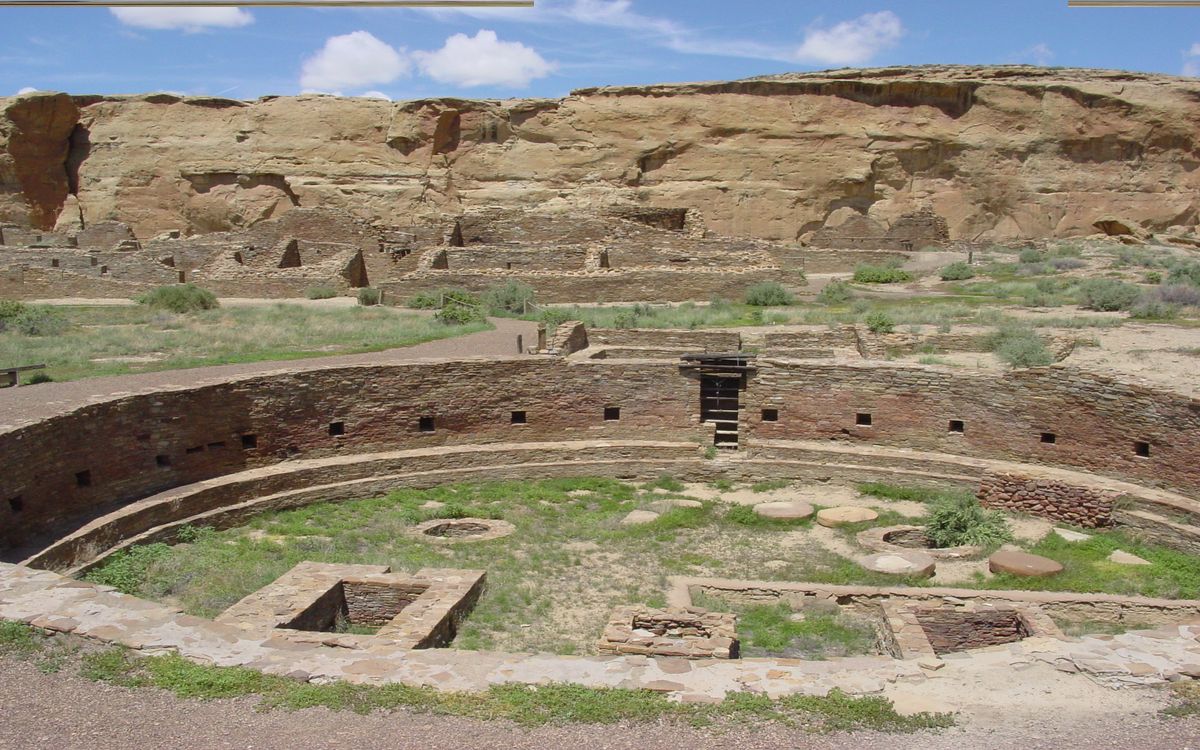
Casa Rinconada is a massive kiva, one of the largest in the Southwest. This ceremonial structure is known for its precise solar alignments.
- Summer Solstice: The rising sun shines through a small window, illuminating a niche on the opposite wall.
- Winter Solstice: The setting sun casts light into the kiva, highlighting specific architectural features.
4. Una Vida
Una Vida is one of the oldest great houses in Chaco Canyon. Its strategic location and architectural design reveal its connection to the solstices.
- Summer Solstice: The sun rises over the eastern horizon, casting light into the central plaza.
- Winter Solstice: The setting sun aligns with the main entrance, creating a dramatic effect.
5. Chetro Ketl
Chetro Ketl is another impressive great house in Chaco Canyon. Its unique layout and solstice alignments make it a must-visit site.
- Summer Solstice: The sun rises in alignment with the central courtyard, bathing it in light.
- Winter Solstice: The setting sun illuminates the western wall, creating a stunning visual display.
6. Kin Kletso
Kin Kletso, meaning "Yellow House" in Navajo, is a smaller but equally fascinating great house. Its solstice alignments are a testament to the ancient Puebloans' astronomical knowledge.
- Summer Solstice: The rising sun aligns with the main entrance, casting light into the central room.
- Winter Solstice: The setting sun illuminates the interior, highlighting the intricate masonry.
7. Hungo Pavi
Hungo Pavi is a partially excavated great house with intriguing solstice connections. Its strategic location and architectural features reveal its significance.
- Summer Solstice: The sun rises over the eastern horizon, casting light into the central plaza.
- Winter Solstice: The setting sun aligns with the main entrance, creating a dramatic effect.
Chaco Canyon's ancient solstice sites are a testament to the advanced astronomical knowledge of the ancestral Puebloans. These structures not only served as ceremonial centers but also as observatories, allowing the ancient inhabitants to track the movements of the sun and mark important seasonal events. Exploring these sites offers a glimpse into the rich cultural heritage of Chaco Canyon and the ingenuity of its ancient builders.
Timeless Wonders of Chaco Canyon
Chaco Canyon's ancient solstice sites offer a glimpse into the advanced astronomical knowledge of the Ancestral Puebloans. These structures, aligned with the sun's movements, showcase their deep connection to the cosmos. Visiting these sites, you can feel the history and marvel at the ingenuity of a civilization that thrived in harmony with nature.
Exploring Chaco Canyon, you'll find more than just ruins. It's a journey through time, revealing the cultural and spiritual significance of these ancient observatories. The canyon's beauty and mystery continue to inspire and educate, reminding us of humanity's enduring quest to understand the universe.
Plan a trip to Chaco Canyon to experience these timeless wonders firsthand. Whether you're a history buff, an astronomy enthusiast, or simply a curious traveler, Chaco Canyon's solstice sites promise an unforgettable adventure.
