

Secrets Of Chaco Canyon’s Ancient Astronomical Sites
Have you ever wondered how ancient civilizations understood the stars? Chaco Canyon, located in New Mexico, holds some of the most intriguing astronomical sites from ancient times. This place isn't just a collection of old ruins; it's a window into the past where people studied the sky with incredible precision. The structures here align with celestial events like solstices and equinoxes, showing a deep connection between architecture and astronomy. Imagine standing where ancient astronomers once stood, observing the same stars. Whether you're a history buff or a stargazer, Chaco Canyon offers a unique glimpse into how our ancestors viewed the universe.
Secrets of Chaco Canyon's Ancient Astronomical Sites
Chaco Canyon, located in northwestern New Mexico, is a place of mystery and wonder. This ancient site, once the center of Puebloan culture, holds secrets of astronomical knowledge that continue to fascinate researchers and visitors alike. Let's uncover some of the most intriguing astronomical sites in Chaco Canyon.
Sun Dagger
High atop Fajada Butte, the Sun Dagger site offers a glimpse into the astronomical prowess of the ancient Chacoans. This site features three large stone slabs that create light patterns on a spiral petroglyph.
- Sun Dagger: During solstices and equinoxes, sunlight passes through the slabs, casting precise light patterns on the spiral. This phenomenon marks significant solar events, showcasing the Chacoans' advanced understanding of the sun's movements.
Casa Rinconada
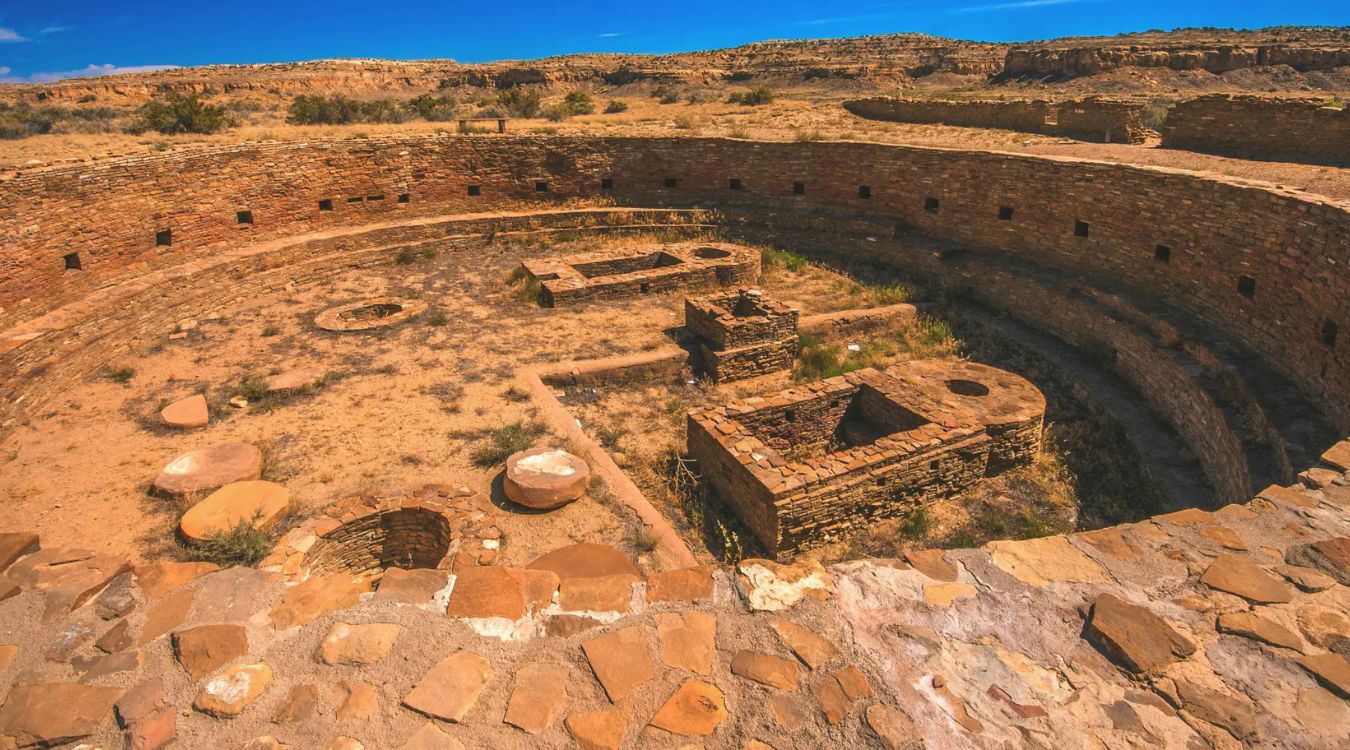
Casa Rinconada, one of the largest kivas in Chaco Canyon, is not just an architectural marvel but also an astronomical observatory. This massive structure aligns with celestial events, reflecting the Chacoans' deep connection with the cosmos.
- Casa Rinconada: The kiva's entrance aligns with the summer solstice sunrise. Additionally, niches within the kiva align with lunar standstills, demonstrating the Chacoans' knowledge of both solar and lunar cycles.
Pueblo Bonito
Pueblo Bonito, the largest great house in Chaco Canyon, is a testament to the Chacoans' architectural and astronomical expertise. This massive structure contains numerous alignments with celestial events.
- Pueblo Bonito: The building's walls align with the cardinal directions, and specific rooms align with the equinox sunrise. These alignments suggest that Pueblo Bonito served as both a residential and ceremonial center, deeply connected to the cosmos.
Chimney Rock
Chimney Rock, though located outside Chaco Canyon, is closely linked to the Chacoan culture. This site features twin rock spires that align with lunar events, providing further evidence of the Chacoans' astronomical knowledge.
- Chimney Rock: The spires align with the moon's northernmost rise and set during major lunar standstills, occurring every 18.6 years. This alignment highlights the Chacoans' ability to track long-term lunar cycles.
Wijiji
Wijiji, a smaller great house in Chaco Canyon, also holds astronomical significance. This site, though less grand than others, still reflects the Chacoans' sophisticated understanding of celestial events.
- Wijiji: The building's walls align with the winter solstice sunrise, marking the shortest day of the year. This alignment emphasizes the Chacoans' ability to integrate astronomical observations into their architectural designs.
Hungo Pavi
Hungo Pavi, another great house in Chaco Canyon, showcases the Chacoans' architectural and astronomical skills. This site, though partially excavated, reveals significant celestial alignments.
- Hungo Pavi: The structure's walls align with the summer solstice sunset. This alignment, along with other architectural features, suggests that Hungo Pavi played a role in the Chacoans' ceremonial and astronomical practices.
Kin Kletso
Kin Kletso, a smaller great house near Pueblo Bonito, offers additional insights into the Chacoans' astronomical knowledge. This site, though less prominent, still holds significant alignments with celestial events.
- Kin Kletso: The building's walls align with the equinox sunrise, marking the balance between day and night. This alignment highlights the Chacoans' ability to incorporate astronomical observations into their everyday lives.
Timeless Wonders of Chaco Canyon
Chaco Canyon's ancient astronomical sites offer a glimpse into the advanced knowledge and cultural richness of the Ancestral Puebloans. These structures, aligned with celestial events, reveal a deep understanding of astronomy and a connection to the cosmos. Visiting these sites, you can feel the history and marvel at the ingenuity of a civilization that thrived in harmony with the stars.
Exploring Chaco Canyon isn't just about seeing old ruins. It's about connecting with a past that still speaks to us through its architecture and alignment with the heavens. Whether you're an astronomy enthusiast or a history buff, Chaco Canyon provides a unique experience that leaves a lasting impression.
Plan your visit to this UNESCO World Heritage Site and witness the timeless wonders that continue to inspire and educate. Chaco Canyon remains a testament to human curiosity and our enduring quest to understand the universe.
