

Curious Insights Into New Mexico’s Very Large Array Radio Telescope Desert
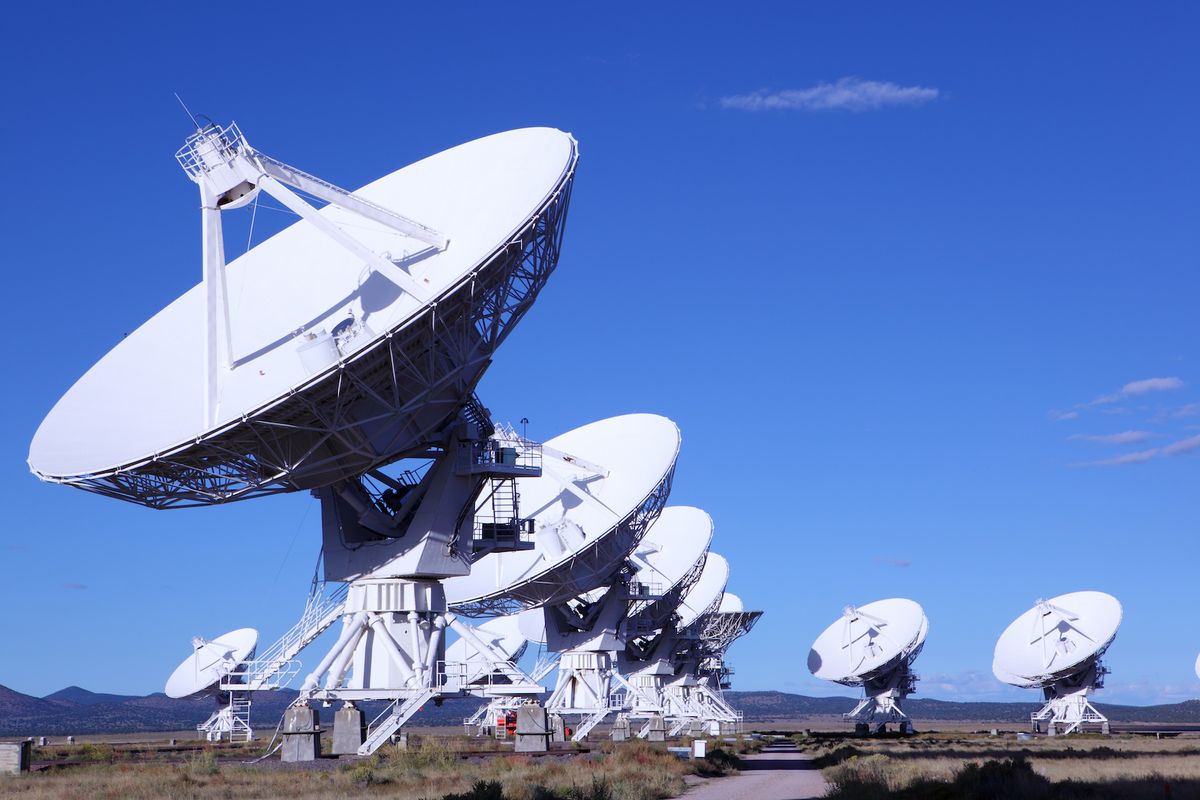
Have you ever wondered what lies in the heart of New Mexico's desert? The Very Large Array Radio Telescope is one of the most impressive scientific instruments in the world. Located on the Plains of San Agustin, this massive array of 27 radio antennas spans over 22 miles. It helps astronomers study distant galaxies, black holes, and other cosmic phenomena. Visitors can take guided tours, explore the visitor center, and even see the antennas up close. Whether you're a science enthusiast or just curious about the universe, the Very Large Array offers a unique glimpse into the mysteries of space.
Curious Insights into New Mexico's Very Large Array Radio Telescope Desert
New Mexico's Very Large Array (VLA) is a marvel of modern science, nestled in the vast desert. This iconic site attracts both science enthusiasts and curious travelers. Let's explore some fascinating aspects of this unique location.
The Science Behind the VLA
The VLA is one of the world's premier astronomical radio observatories. It consists of 27 massive radio antennas that work together to observe the universe. Here are some key scientific insights:
Radio Astronomy: Unlike optical telescopes, the VLA captures radio waves from space, allowing scientists to study celestial objects that are invisible to the naked eye.
Black Hole Research: The VLA has been instrumental in studying black holes, providing valuable data on their behavior and properties.
Star Formation: By observing radio waves, the VLA helps scientists understand how stars and planetary systems form and evolve.
The Engineering Marvel
The VLA's engineering is as impressive as its scientific achievements. Each antenna is 25 meters in diameter and can be moved along a set of tracks to form different configurations. Here's what makes the VLA an engineering wonder:
Precision Movement: The antennas can be positioned with millimeter precision, allowing for incredibly detailed observations.
Interferometry: By combining signals from multiple antennas, the VLA achieves the resolution of a single antenna 36 kilometers in diameter.
Adaptive Technology: The VLA's technology is constantly updated to keep pace with advancements in radio astronomy.
Visiting the VLA
For those who wish to visit, the VLA offers a unique experience. Located in the remote plains of San Agustin, it provides a serene and awe-inspiring setting. Here are some highlights for visitors:
Visitor Center: The VLA has a visitor center with exhibits explaining the science and history of the array.
Self-Guided Tours: Visitors can take self-guided tours to get up close to the antennas and learn about their operation.
Special Events: The VLA hosts special events, including guided tours and star parties, where visitors can learn from astronomers and observe the night sky.
The Desert Landscape
The VLA is set in a stunning desert landscape that adds to its allure. The vast, open plains provide a perfect backdrop for the array. Here are some features of the surrounding area:
Wildlife: The desert is home to a variety of wildlife, including pronghorn antelope, jackrabbits, and numerous bird species.
Stargazing: The remote location offers some of the darkest skies in the United States, making it an ideal spot for stargazing.
Photography: The combination of the VLA's futuristic antennas and the natural beauty of the desert makes for stunning photography opportunities.
The Cultural Impact
The VLA has also made its mark on popular culture. It has been featured in numerous films, TV shows, and books, capturing the imagination of people worldwide. Some notable appearances include:
"Contact": The VLA played a central role in the 1997 film "Contact," based on Carl Sagan's novel.
"Transformers": The VLA appeared in the 2007 film "Transformers," showcasing its impressive scale.
Literature: The VLA has been mentioned in various science fiction novels, highlighting its significance in the field of astronomy.
The Future of the VLA
The VLA continues to evolve, with plans for upgrades and expansions to enhance its capabilities. The future looks bright for this iconic observatory. Some upcoming developments include:
Next-Generation VLA: Plans are underway for a next-generation VLA, which will have even greater sensitivity and resolution.
Collaborations: The VLA collaborates with other observatories worldwide, contributing to global astronomical research.
Educational Programs: The VLA is expanding its educational programs to inspire the next generation of scientists and engineers.
The Magic of New Mexico's Very Large Array
New Mexico's Very Large Array offers a unique experience. This massive radio telescope array, set against the stark beauty of the desert, is a sight to behold. Visitors can learn about the universe's mysteries and the technology used to explore them. The VLA's role in groundbreaking discoveries makes it a must-see for science enthusiasts and curious travelers alike.
Whether you're gazing at the impressive dishes or diving into the visitor center's exhibits, the VLA provides a memorable adventure. Plan your visit to witness the blend of human ingenuity and natural wonder. The magic of the VLA lies not just in its scientific achievements but also in its ability to inspire awe and curiosity. Don't miss the chance to explore this fascinating landmark in New Mexico.
