Ancient Trading Routes Of New Mexico’s Chaco Culture
Have you ever wondered how ancient civilizations traded goods without modern technology? The Chaco Culture in New Mexico offers a fascinating glimpse into this world. Between 900 and 1150 AD, the Chacoans built an extensive network of roads connecting their massive stone buildings, known as Great Houses, to distant communities. These routes facilitated the exchange of turquoise, pottery, and other valuable items. Imagine walking these ancient paths, feeling the history beneath your feet. This article will take you through the ancient trading routes of the Chaco Culture, revealing how they managed to create a thriving trade network in the heart of the American Southwest.
Ancient Trading Routes of New Mexico's Chaco Culture
The Chaco Culture thrived in the arid lands of New Mexico between 900 and 1150 AD. This civilization built impressive structures and developed extensive trading routes. These routes connected them to distant regions, allowing the exchange of goods, ideas, and culture. Let's explore some key locations along these ancient trading paths.
Chaco Canyon: The Heart of the Network
Chaco Canyon served as the central hub for the Chaco Culture. This canyon housed monumental buildings known as Great Houses, which were used for ceremonies, trade, and governance.
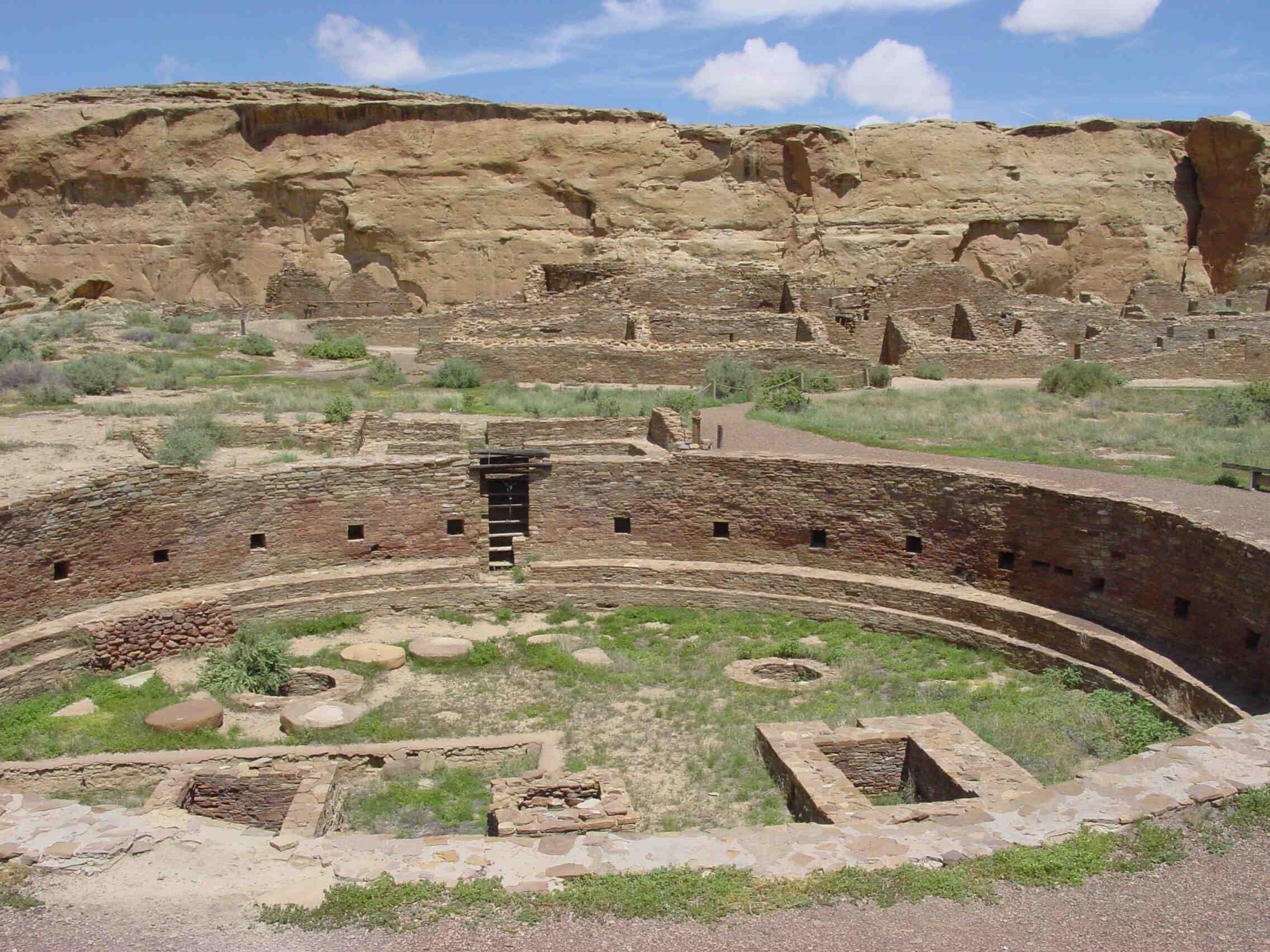
Pueblo Bonito: The largest and most famous Great House in Chaco Canyon. It had over 600 rooms and stood four stories high. Pueblo Bonito was a bustling center of activity, with traders bringing turquoise, shells, and other goods from far-off lands.
Chetro Ketl: Another significant Great House, Chetro Ketl was known for its massive kiva (a ceremonial room) and intricate masonry. This site played a crucial role in the social and economic life of the Chacoans.
Casa Rinconada: This enormous kiva is one of the largest ever discovered. It was likely used for important ceremonies and gatherings, drawing people from across the region.
Outlying Communities: The Spokes of the Wheel
Beyond Chaco Canyon, numerous outlying communities were connected by a network of roads. These communities helped facilitate trade and communication.
Aztec Ruins: Located to the north, Aztec Ruins served as a major outpost. The site features a large Great House and several smaller structures, indicating its importance in the Chacoan network.
Salmon Ruins: Situated near the San Juan River, Salmon Ruins was another key trading post. It provided a link between Chaco Canyon and the broader region, facilitating the movement of goods and people.
Kin Bineola: This site, located west of Chaco Canyon, featured a large Great House and several smaller buildings. Kin Bineola played a vital role in the distribution of goods throughout the Chacoan world.
Trade Goods: The Lifeblood of the Network
The Chacoans traded a variety of goods, which helped sustain their civilization and foster connections with distant cultures.
Turquoise: Highly valued by the Chacoans, turquoise was used in jewelry and ceremonial items. It was traded extensively, with sources as far away as present-day Nevada and Colorado.
Shells: Shells from the Gulf of California and the Pacific Coast were prized for their beauty and used in various decorative items. These shells traveled great distances to reach Chaco Canyon.
Obsidian: This volcanic glass was used to make sharp tools and weapons. Obsidian found in Chaco Canyon originated from sources in present-day New Mexico, Arizona, and even Mexico.
Roads: The Arteries of the Chacoan World
The Chacoans built an extensive network of roads to connect their communities and facilitate trade. These roads were often straight and well-engineered, reflecting the sophistication of Chacoan society.
Great North Road: This major route extended north from Chaco Canyon, connecting it to outlying communities like Aztec Ruins. The Great North Road was a vital artery for trade and communication.
South Road: Leading south from Chaco Canyon, this road linked the central hub to other important sites. It played a crucial role in the movement of goods and people throughout the region.
West Road: Extending westward, this road connected Chaco Canyon to sites like Kin Bineola. The West Road facilitated trade with communities in the western part of the Chacoan world.
The ancient trading routes of New Mexico's Chaco Culture reveal a complex and interconnected society. These routes enabled the exchange of goods, ideas, and culture, helping the Chacoans thrive in a challenging environment.
The Legacy of Chaco's Trading Routes
Chaco Culture's ancient trading routes tell a story of innovation, connection, and resilience. These pathways linked distant communities, fostering the exchange of goods, ideas, and traditions. The intricate network of roads and trails highlights the advanced engineering and strategic planning of the Chacoans. Visiting these historic sites offers a glimpse into a civilization that thrived in the harsh desert environment through cooperation and ingenuity. Exploring these routes today allows us to appreciate the rich cultural heritage and the enduring impact of the Chacoans on the Southwest. Their legacy continues to inspire and educate, reminding us of the importance of connectivity and collaboration in building strong communities. Whether you're a history enthusiast or an adventure seeker, Chaco's trading routes provide a fascinating journey into the past, offering valuable lessons for the present and future.