

Secrets Of New Jersey’s Insect-Eating Plant Bogs
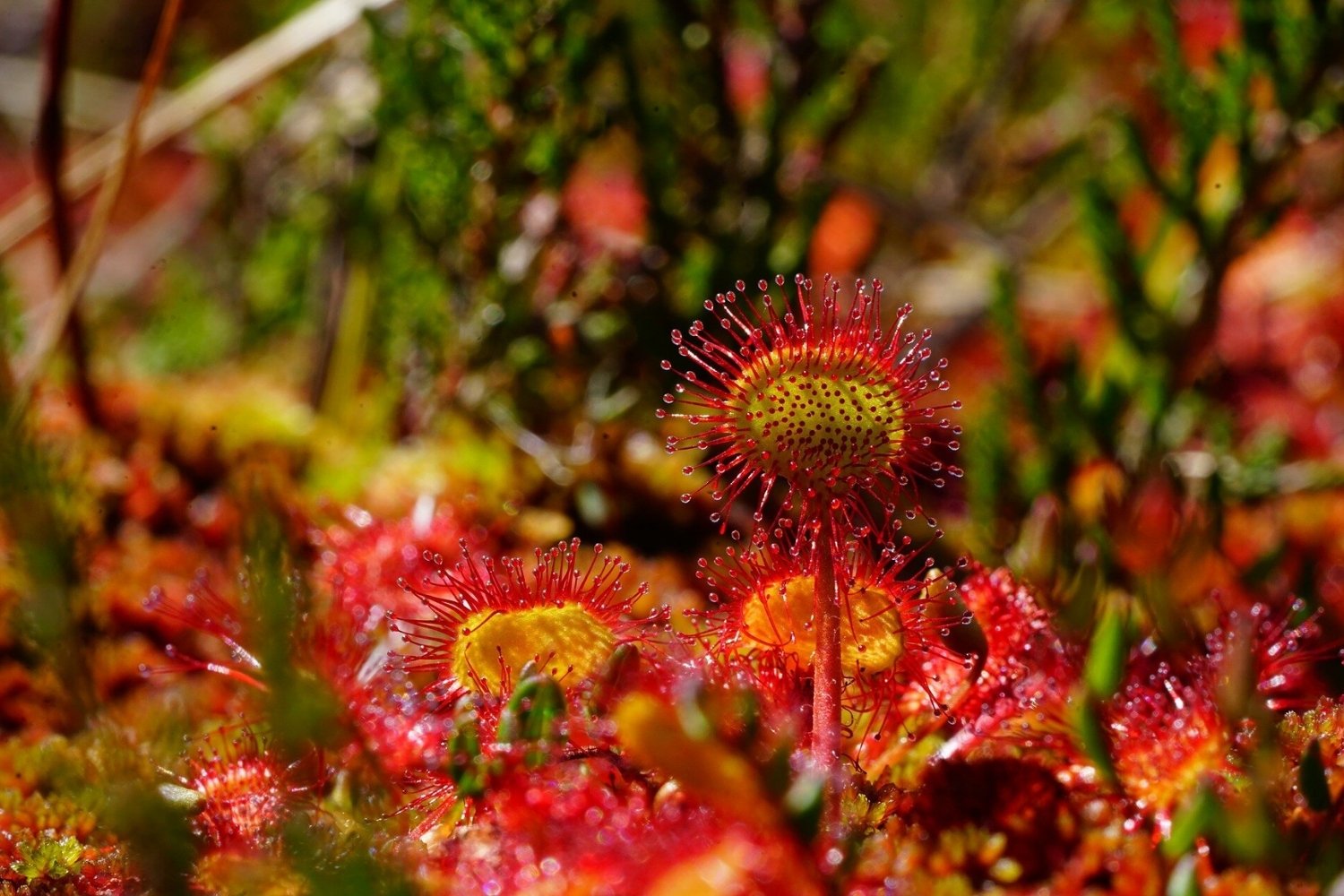
Have you ever heard of New Jersey's insect-eating plant bogs? These unique ecosystems are home to some of the most fascinating plants in the world. Imagine walking through a marshy area where plants like the Venus flytrap and pitcher plants thrive. These plants have adapted to their nutrient-poor environments by developing the ability to trap and digest insects. It's like stepping into a natural science fiction world! Whether you're a nature lover or just curious about unusual plants, visiting these bogs offers a glimpse into a hidden part of nature. Ready to learn more about these incredible insect-eating plants? Let's dive in!
Secrets of New Jersey's Insect-Eating Plant Bogs
New Jersey might be known for its bustling cities and beautiful shorelines, but it also hides some fascinating natural wonders. Among these are the insect-eating plant bogs, where carnivorous plants thrive in their unique habitats. These bogs are not only intriguing but also offer a glimpse into the delicate balance of nature.
What Makes These Bogs Special?
Insect-eating plant bogs are rare ecosystems where carnivorous plants like pitcher plants, sundews, and Venus flytraps grow. These plants have adapted to nutrient-poor soils by evolving mechanisms to trap and digest insects. Visiting these bogs is like stepping into a different world, where plants have turned the tables on insects.
Wharton State Forest
- Wharton State Forest is the largest state forest in New Jersey. It’s home to several bogs where you can find pitcher plants and sundews. The forest offers hiking trails that take you through these unique habitats, providing a chance to see these fascinating plants up close.
Double Trouble State Park
- This park is known for its cranberry bogs, but it also has areas where insect-eating plants thrive. The park’s trails and boardwalks make it easy to explore these bogs without disturbing the delicate ecosystem. Keep an eye out for sundews and pitcher plants along the way.
How to Spot Carnivorous Plants
Finding these plants requires a keen eye and some patience. They often blend into their surroundings, making them easy to miss if you’re not looking carefully. Here are some tips to help you spot them.
Brendan T. Byrne State Forest
- This forest is another excellent spot to find insect-eating plants. The bogs here are home to several species of pitcher plants and sundews. The forest’s trails provide access to these areas, allowing you to observe these plants in their natural habitat.
Bass River State Forest
- Bass River State Forest features several bogs where carnivorous plants can be found. The forest’s trails and boardwalks offer great opportunities to see these plants up close. Look for pitcher plants and sundews along the edges of the bogs.
Best Time to Visit
The best time to visit these bogs is during the growing season, from late spring to early fall. During this time, the plants are most active and easier to spot. Early morning or late afternoon is ideal for observing these plants, as the light is softer and the bogs are less crowded.
High Point State Park
- High Point State Park is known for its stunning views, but it also has bogs where insect-eating plants grow. The park’s trails take you through these areas, offering a chance to see pitcher plants and sundews in action.
Cape May Point State Park
- This park is famous for birdwatching, but it also has bogs where carnivorous plants thrive. The park’s trails and boardwalks provide access to these unique habitats, making it easy to observe these fascinating plants.
Conservation Efforts
Conserving these unique ecosystems is crucial. Many of these bogs are threatened by development and pollution. Efforts are being made to protect these areas and the plants that call them home. Supporting these efforts ensures that future generations can enjoy these natural wonders.
Island Beach State Park
- Island Beach State Park is a barrier island that features several bogs with insect-eating plants. The park’s trails and boardwalks make it easy to explore these areas without disturbing the delicate ecosystem. Look for pitcher plants and sundews along the way.
Stokes State Forest
- Stokes State Forest is another great place to find insect-eating plants. The forest’s bogs are home to several species of pitcher plants and sundews. The trails provide access to these areas, allowing you to observe these plants in their natural habitat.
New Jersey’s insect-eating plant bogs are a hidden gem worth exploring. Whether you’re a nature enthusiast or just curious about these unique ecosystems, visiting these bogs offers a fascinating glimpse into the world of carnivorous plants.
Discovering New Jersey's Hidden Wonders
New Jersey's insect-eating plant bogs offer a unique glimpse into nature's fascinating adaptations. These bogs, home to pitcher plants, sundews, and bladderworts, showcase the incredible diversity of plant life. Visiting these sites provides a chance to see these amazing plants in action, capturing and digesting insects to survive in nutrient-poor soils.
Exploring these bogs also highlights the importance of preserving such unique ecosystems. Conservation efforts ensure that future generations can enjoy and learn from these natural wonders. Whether you're a nature enthusiast, a student, or just curious, New Jersey's bogs are a must-see.
Plan a trip to one of these bogs and witness the marvels of insect-eating plants. You'll leave with a deeper appreciation for the delicate balance of nature and the incredible adaptations that plants have developed to thrive in challenging environments.
