

Hidden Logging History Of New Hampshire’s White Mountain National Forest
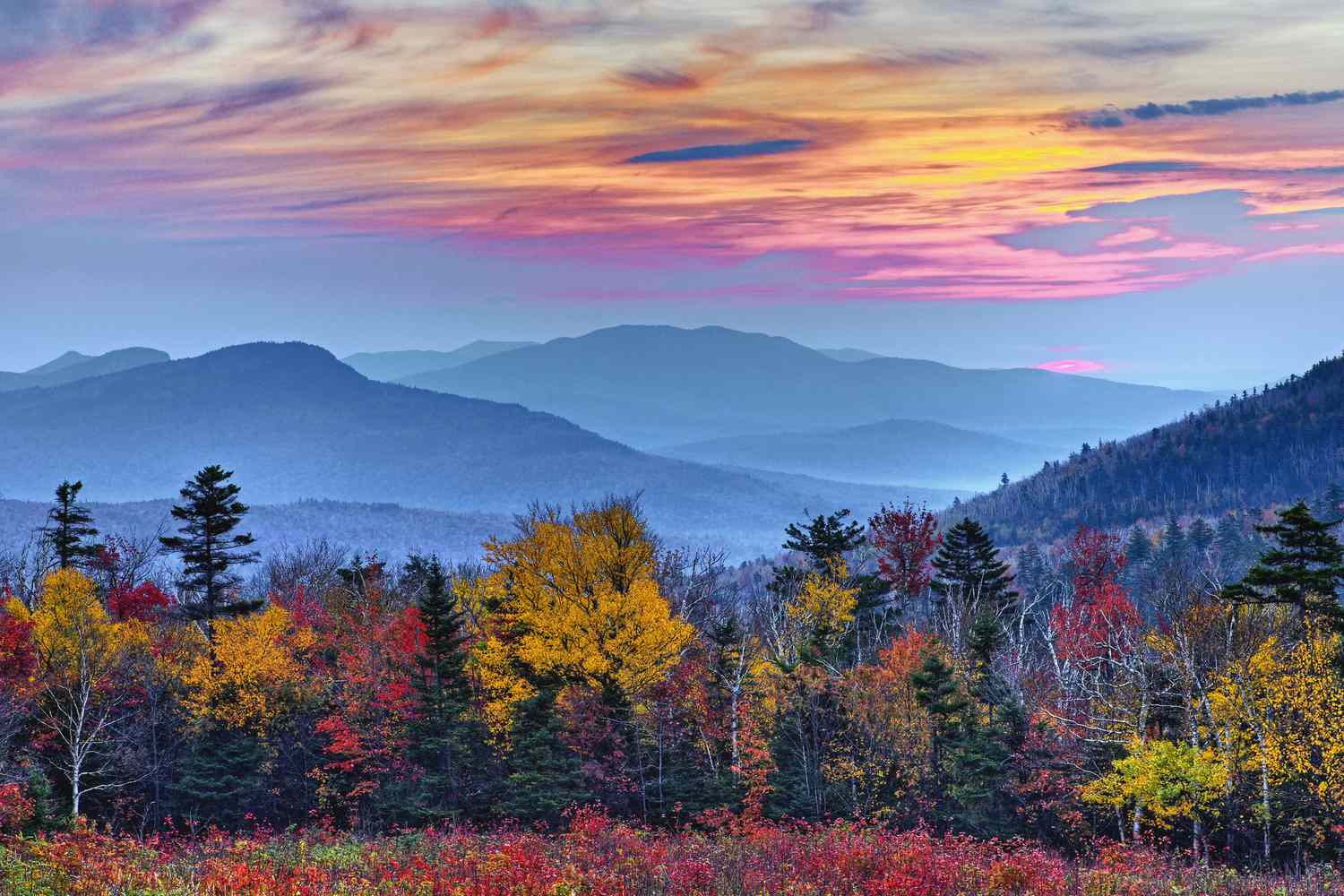
Have you ever wondered about the hidden logging history of New Hampshire's White Mountain National Forest? This forest, known for its stunning landscapes and outdoor adventures, holds a rich past shaped by the logging industry. In the late 19th and early 20th centuries, loggers flocked to these woods, transforming the area and leaving behind a legacy still visible today. From old logging roads to abandoned camps, the forest tells a story of hard work, innovation, and change. Join us as we uncover the fascinating history of logging in this beautiful part of New Hampshire.
Hidden Logging History of New Hampshire's White Mountain National Forest
New Hampshire's White Mountain National Forest is a treasure trove of natural beauty and historical significance. While many visitors come for the stunning landscapes, few realize the rich logging history that shaped the region. Let's uncover some hidden gems that tell the story of the forest's logging past.
Historic Logging Railroads
The White Mountains were once crisscrossed by logging railroads, essential for transporting timber. These railroads have left behind fascinating remnants.
Zealand Valley Railroad: This railroad was crucial for logging operations in the Zealand Valley. Today, you can hike along the old rail bed and imagine the bustling activity that once took place.
East Branch & Lincoln Railroad: Known as the "Railroad to the Sky," it transported timber from the heart of the White Mountains. Hikers can still find old railroad ties and other artifacts along the trails.
Pemigewasset Valley Railroad: This line played a significant role in the logging industry. The remnants of the railroad can be explored along the Pemigewasset River, offering a glimpse into the past.
Abandoned Logging Camps
Logging camps were the lifeblood of the industry, housing workers and providing essential services. Some of these camps have been preserved or left in ruins, offering a window into the past.
Camp 16: Located near the Zealand Trail, this camp was once a bustling hub of activity. Today, visitors can see the remains of old buildings and equipment, providing a tangible connection to the past.
Livermore Logging Camp: Situated in the heart of the forest, this camp was a major center for logging operations. The ruins of the camp, including old foundations and machinery, can still be explored.
Camp 19: Nestled in the Pemigewasset Wilderness, this camp offers a more remote and rugged experience. The remnants of the camp provide a haunting reminder of the forest's logging history.
Historic Logging Roads
Many of the trails and roads in the White Mountains were originally built for logging. These historic routes offer a unique way to explore the forest.
Sawyer River Road: Once a major logging route, this road now serves as a popular hiking and biking trail. The road winds through the forest, offering glimpses of old logging sites along the way.
Haystack Road: This road was used to transport timber from the mountains to the mills. Today, it provides access to several hiking trails and offers a scenic drive through the forest.
Jeffers Brook Road: Originally built for logging, this road now serves as a gateway to some of the forest's most beautiful areas. The road offers a peaceful and scenic journey through the heart of the White Mountains.
Logging Museums and Exhibits
For those interested in learning more about the logging history of the White Mountains, several museums and exhibits provide valuable insights.
White Mountain National Forest Visitor Center: Located in Lincoln, this center offers exhibits on the history of logging in the region. Visitors can learn about the tools, techniques, and people who shaped the forest.
New Hampshire Historical Society: This museum in Concord features exhibits on the state's logging history, including artifacts and photographs from the White Mountains.
Clark's Trading Post: While primarily known for its bear shows, this attraction also features a logging museum. Visitors can see old logging equipment and learn about the industry's impact on the region.
Scenic Overlooks with Logging History
Some of the most beautiful viewpoints in the White Mountains also have a connection to the logging industry. These scenic overlooks offer stunning views and a glimpse into the past.
Zealand Falls Hut: This hut, operated by the Appalachian Mountain Club, offers breathtaking views of the Zealand Valley. The area was heavily logged in the past, and visitors can still see the impact on the landscape.
Bondcliff: This remote peak offers stunning views of the Pemigewasset Wilderness. The area was once a major logging site, and the scars of the industry can still be seen on the landscape.
Mount Willard: This popular hike offers panoramic views of Crawford Notch. The area was heavily logged in the 19th century, and the hike provides a unique perspective on the forest's history.
Reflecting on New Hampshire's Logging Legacy
New Hampshire's White Mountain National Forest holds a rich logging history. From the early days of timber harvesting to the conservation efforts that followed, this region tells a story of transformation. Exploring the remnants of old logging camps, railroads, and sawmills offers a glimpse into the past. These historical sites remind us of the forest's resilience and the importance of sustainable practices. Visiting the White Mountains not only provides a chance to enjoy nature but also to appreciate the hard work and challenges faced by early loggers. Whether hiking the trails or visiting historical landmarks, you'll find a deeper connection to the land and its history. So next time you’re in New Hampshire, take a moment to reflect on the logging legacy that shaped this beautiful forest.
