

Secrets Of New England’s Abandoned Mills
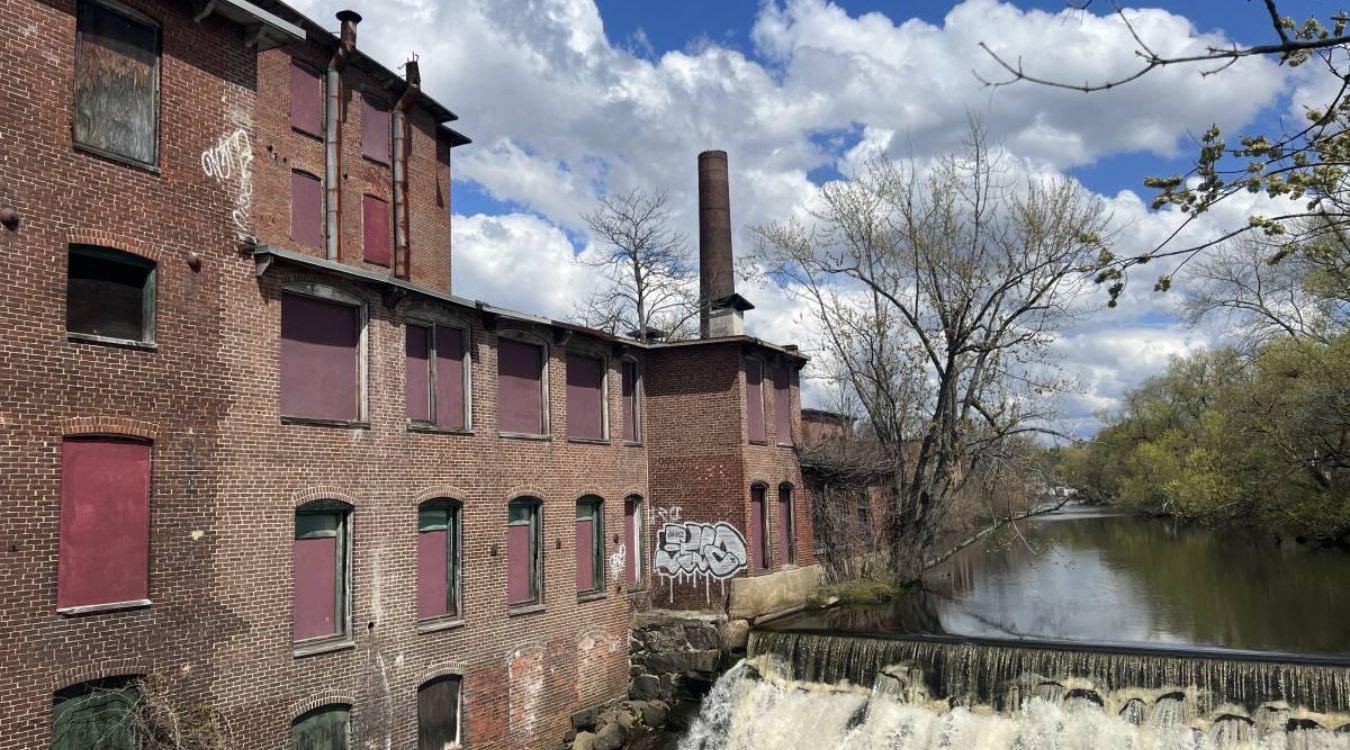
Have you ever wondered about the stories hidden within New England's abandoned mills? These old structures, once bustling with activity, now stand silent, holding secrets of a bygone era. Walking through these mills, you can almost hear the hum of machinery and the chatter of workers. Each brick and beam tells a tale of innovation, hard work, and community. From textile production to paper manufacturing, these mills were the backbone of New England's economy. Today, they offer a unique glimpse into the past, inviting explorers to uncover their mysteries. Ready to step back in time and discover the forgotten history of these fascinating places?
Secrets of New England's Abandoned Mills
New England's landscape is dotted with the remnants of its industrial past. These abandoned mills, once bustling with activity, now stand as silent witnesses to a bygone era. Let's uncover the secrets hidden within these forgotten structures.
1. Slater Mill, Rhode Island
Slater Mill in Pawtucket is often called the birthplace of the American Industrial Revolution. Established in 1793, it was the first successful cotton-spinning factory in the United States. Today, it serves as a museum, offering a glimpse into the early days of American industry.
2. Boott Cotton Mills, Massachusetts
Located in Lowell, Boott Cotton Mills is part of the Lowell National Historical Park. These mills were central to the textile industry in the 19th century. Visitors can tour the complex and learn about the lives of the mill workers who powered the Industrial Revolution.
3. Harrisville Mill, New Hampshire
Harrisville Mill is a well-preserved example of a 19th-century mill village. The town of Harrisville has maintained its historic character, with many of the original mill buildings still standing. The mill itself now houses a yarn company, continuing its textile legacy.
4. Saco-Lowell Shops, Maine
In Biddeford, the Saco-Lowell Shops were once a major producer of textile machinery. The sprawling complex is now home to a mix of businesses and residential spaces, but the industrial architecture remains a testament to its past.
5. Baltic Mill, Connecticut
Baltic Mill in Sprague was once a thriving cotton mill. After a fire in 1999, the mill was left in ruins. Despite this, the site remains a fascinating place to explore, with its crumbling walls and overgrown surroundings offering a hauntingly beautiful scene.
6. Amoskeag Millyard, New Hampshire
Manchester's Amoskeag Millyard was one of the largest textile manufacturing complexes in the world. The mills produced everything from cotton and woolen goods to machinery. Today, the area has been revitalized, with many of the old buildings repurposed for modern use.
7. Pepperell Mill, Maine
Pepperell Mill in Biddeford was a major player in the textile industry. The mill complex has been transformed into a vibrant community space, with apartments, offices, and shops. The historic buildings have been preserved, offering a unique blend of old and new.
8. Whitin Machine Works, Massachusetts
Located in Whitinsville, Whitin Machine Works was once the largest manufacturer of textile machinery in the world. The massive complex is now partially abandoned, with some buildings repurposed for commercial use. The site offers a fascinating look at the scale of industrial production in the 19th and 20th centuries.
9. Ponemah Mill, Connecticut
Ponemah Mill in Norwich was one of the largest cotton mills in the world. The mill complex is currently being redeveloped into residential and commercial spaces. The towering brick buildings and iconic smokestack remain, preserving the mill's historic character.
10. Waltham Watch Company, Massachusetts
The Waltham Watch Company was a pioneer in the American watchmaking industry. The factory complex in Waltham is now a mix of residential and commercial spaces, but the historic buildings still stand as a reminder of the company's innovative past.
The Timeless Allure of New England's Abandoned Mills
New England's abandoned mills offer a unique glimpse into the past. These structures, once bustling with activity, now stand as silent witnesses to history. Exploring these mills, you can almost hear the echoes of machinery and the hustle of workers. Each mill tells a story of innovation, hard work, and community spirit. They are more than just old buildings; they are a testament to the region's industrial heritage. Visiting these sites, you gain a deeper appreciation for the craftsmanship and determination that built New England. Whether you're a history buff, a photographer, or just curious, these mills provide a fascinating journey through time. So next time you're in New England, take a detour to explore these hidden gems. You'll leave with a newfound respect for the past and a sense of wonder at the stories these mills hold.
