

Secrets Of Nevada’s Mojave Wildlife Corridors
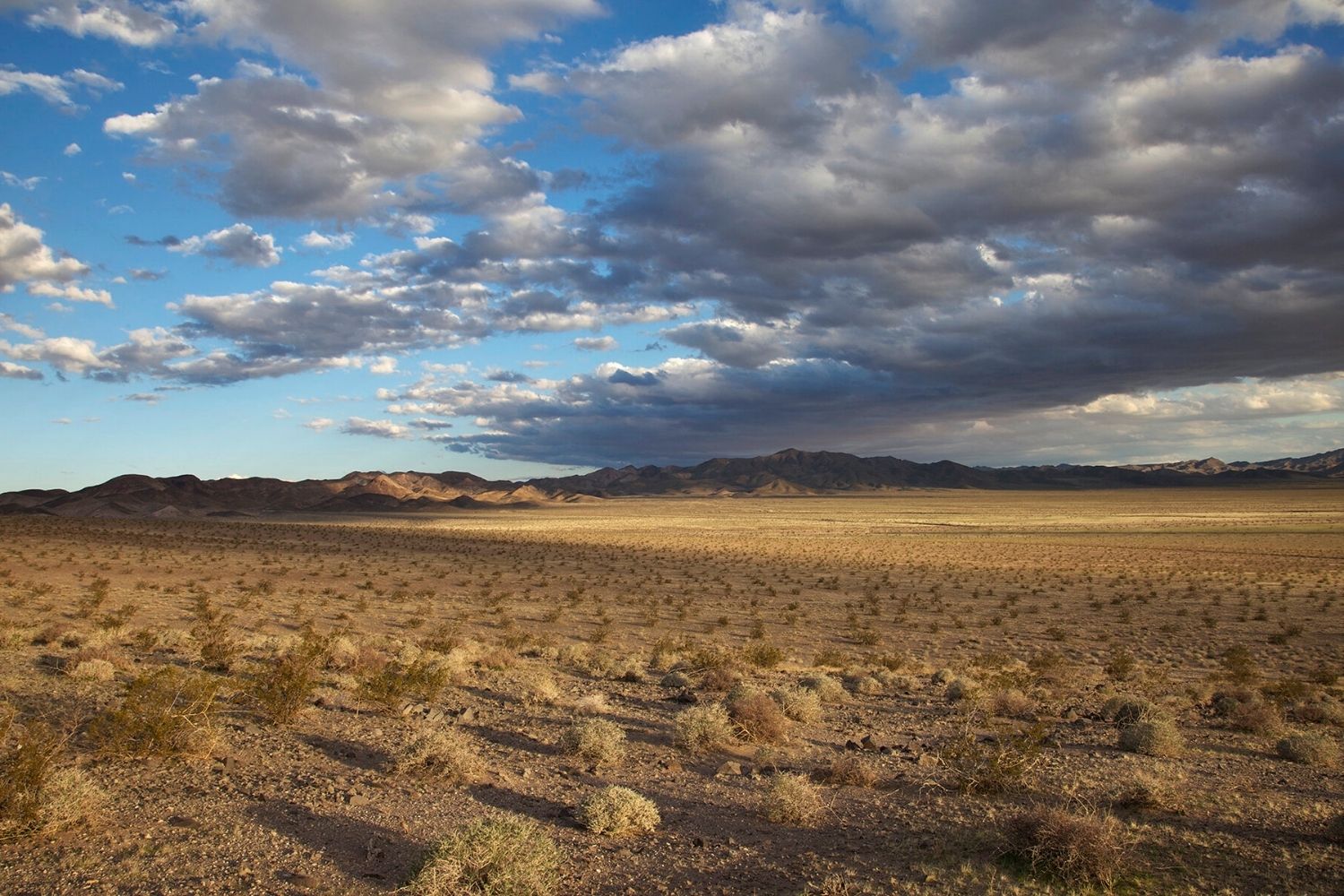
Have you ever wondered how animals in the Mojave Desert manage to survive and thrive in such a harsh environment? The Mojave Wildlife Corridors are key to their survival. These natural pathways allow animals to move freely between different habitats, finding food, water, and shelter. From the elusive desert tortoise to the agile bighorn sheep, many species rely on these corridors to maintain healthy populations. Understanding these wildlife corridors helps us appreciate the delicate balance of nature in the Mojave Desert. Let's take a closer look at how these corridors work and why they are so important for the desert's ecosystem.
Secrets of Nevada's Mojave Wildlife Corridors
The Mojave Desert in Nevada is a vast, arid landscape teeming with life. Hidden within its rugged terrain are wildlife corridors that serve as vital pathways for animals. These corridors allow creatures to move freely, find food, and seek shelter. Let's uncover some of these secret spots where nature thrives.
1. Red Rock Canyon National Conservation Area
Red Rock Canyon is more than just stunning red cliffs and scenic drives. It's a crucial wildlife corridor. Here, you might spot desert bighorn sheep navigating the rocky terrain or see a desert tortoise slowly making its way across the sand.
Why Visit:
- Scenic Beauty: The red sandstone formations are breathtaking.
- Wildlife Watching: Keep an eye out for bighorn sheep, tortoises, and various bird species.
- Hiking Trails: Numerous trails offer different levels of difficulty.
2. Spring Mountains National Recreation Area
The Spring Mountains offer a cooler escape from the desert heat. This area is a key corridor for wildlife, providing a range of habitats from desert lowlands to alpine forests.
Why Visit:
- Diverse Ecosystems: Experience different habitats within a short distance.
- Bird Watching: Spot species like the mountain bluebird and the peregrine falcon.
- Hiking and Camping: Plenty of trails and campsites for outdoor enthusiasts.
3. Desert National Wildlife Refuge
This refuge is the largest in the lower 48 states, covering 1.6 million acres. It's a sanctuary for many species, including the desert bighorn sheep, which use the area as a corridor to move between mountain ranges.
Why Visit:
- Wildlife Sanctuary: Home to over 320 bird species, 52 mammal species, and 35 reptile species.
- Scenic Drives: Explore the vast landscape from the comfort of your vehicle.
- Hiking Opportunities: Trails for all skill levels, from easy walks to challenging hikes.
4. Ash Meadows National Wildlife Refuge
Ash Meadows is a unique oasis in the desert, with over 30 springs and seeps. This area provides critical habitat for several endangered species, making it an essential wildlife corridor.
Why Visit:
- Rare Species: Home to the endangered Ash Meadows pupfish and other unique species.
- Beautiful Springs: Crystal-clear springs and lush vegetation create a striking contrast to the surrounding desert.
- Educational Trails: Learn about the area's ecology and history on interpretive trails.
5. Valley of Fire State Park
Valley of Fire is Nevada's oldest state park, known for its vibrant red sandstone formations. It's also a vital corridor for wildlife, including desert bighorn sheep and various reptiles.
Why Visit:
- Stunning Landscapes: The red rock formations are a photographer's dream.
- Wildlife Viewing: Look for bighorn sheep, lizards, and birds.
- Petroglyphs: Discover ancient rock art left by Native American tribes.
6. Sloan Canyon National Conservation Area
Sloan Canyon is a hidden gem, offering both natural beauty and cultural history. The area serves as a corridor for wildlife, including mule deer and coyotes.
Why Visit:
- Petroglyphs: View ancient rock art dating back thousands of years.
- Hiking Trails: Explore the rugged terrain on various trails.
- Wildlife Spotting: Keep an eye out for mule deer, coyotes, and other desert dwellers.
7. Lake Mead National Recreation Area
Lake Mead isn't just about water sports and boating. The surrounding desert and mountains provide important corridors for wildlife, including bighorn sheep and mountain lions.
Why Visit:
- Water Activities: Enjoy boating, fishing, and swimming in the lake.
- Scenic Views: Stunning vistas of the lake and surrounding desert.
- Wildlife Watching: Spot bighorn sheep, mountain lions, and various bird species.
8. Pahranagat National Wildlife Refuge
Pahranagat is a lush oasis in the desert, with lakes and marshes that attract a variety of wildlife. This refuge is a key corridor for migratory birds and other animals.
Why Visit:
- Bird Watching: A prime spot for observing migratory birds.
- Fishing: Enjoy fishing in the refuge's lakes.
- Scenic Beauty: The contrast of water and desert creates a picturesque landscape.
9. Gold Butte National Monument
Gold Butte is a remote and rugged area, offering solitude and natural beauty. It's also a critical corridor for wildlife, including desert tortoises and bighorn sheep.
Why Visit:
- Remote Wilderness: Experience solitude in a pristine desert environment.
- Petroglyphs: Discover ancient rock art scattered throughout the area.
- Wildlife Viewing: Look for desert tortoises, bighorn sheep, and other desert species.
10. Mojave National Preserve
The Mojave National Preserve is a vast area with diverse landscapes, from sand dunes to volcanic formations. It's a vital corridor for wildlife, providing habitats for many species.
Why Visit:
- Diverse Landscapes: Explore sand dunes, volcanic formations, and Joshua tree forests.
- Wildlife Spotting: Look for species like the desert tortoise, bighorn sheep, and coyotes.
- Hiking and Camping: Numerous trails and campsites for outdoor adventures.
Embracing Nevada's Mojave Wildlife Corridors
Nevada's Mojave wildlife corridors are vital for the survival of many species. These pathways allow animals to move safely between habitats, find food, and reproduce. Protecting these corridors ensures the health of the ecosystem and the biodiversity it supports.
Visitors to the Mojave can witness the beauty and importance of these corridors firsthand. Hiking, bird-watching, and photography offer ways to connect with nature while respecting the environment.
Supporting conservation efforts, such as donating to local wildlife organizations or participating in clean-up events, helps maintain these crucial pathways. By understanding and valuing the Mojave's wildlife corridors, we contribute to a healthier planet.
Next time you explore Nevada, take a moment to appreciate the intricate network that supports its wildlife. Your awareness and actions can make a significant difference in preserving this natural wonder.
