

Secrets Of Nevada’s Lake Mead Water Projects
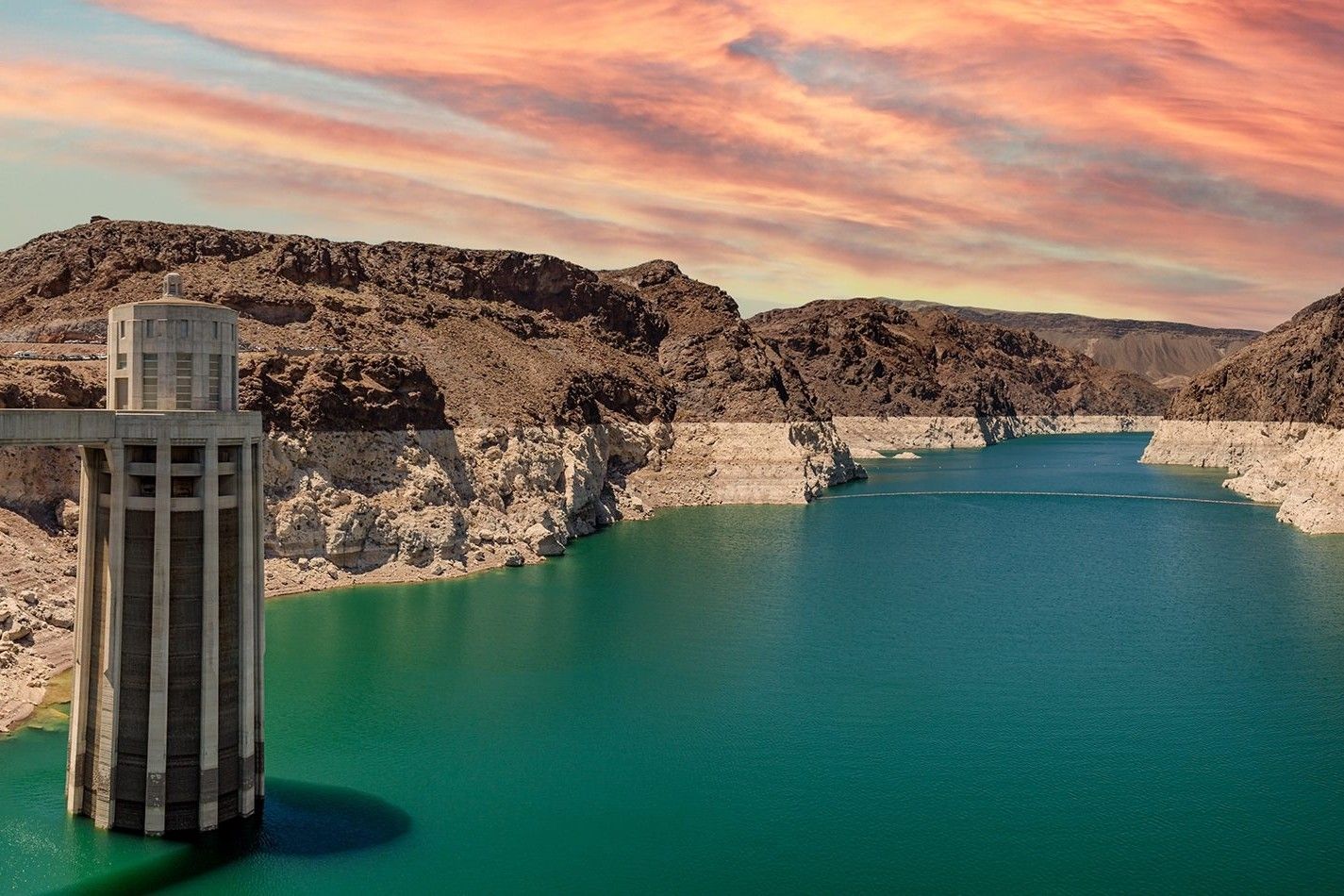
Have you ever wondered how Lake Mead supplies water to millions of people in the Southwest? This massive reservoir, formed by the Hoover Dam, is a crucial water source for Nevada, Arizona, and California. But how does it all work? From the intricate network of pipelines to the advanced water treatment facilities, Lake Mead's water projects are engineering marvels. These projects ensure that cities like Las Vegas have a reliable water supply, even in times of drought. Understanding these systems can give you a new appreciation for the water you use daily. Let's dive into the secrets behind Lake Mead's water projects.
Secrets of Nevada's Lake Mead Water Projects
Lake Mead, a marvel of engineering and nature, holds many secrets. From its creation to the ongoing projects, this lake is a testament to human ingenuity. Let's dive into some of the most fascinating water projects around Lake Mead.
Hoover Dam: The Beginning
The Hoover Dam is where it all started. This colossal structure not only created Lake Mead but also revolutionized water management in the region.
- Construction: Built during the Great Depression, the Hoover Dam provided jobs and hope. Its construction required innovative techniques and sheer determination.
- Purpose: The dam controls floods, provides irrigation, and generates hydroelectric power. It transformed the arid landscape into fertile land.
- Tourism: Today, the Hoover Dam attracts millions of visitors. Tours offer a glimpse into its history and engineering marvels.
The Third Intake Project
As water levels in Lake Mead dropped, a new intake was necessary to ensure a reliable water supply for Las Vegas.
- Necessity: The Third Intake Project was crucial as water levels fell dangerously low. It ensures water can still be drawn even if levels drop further.
- Engineering Feat: This project involved drilling a tunnel beneath Lake Mead. It showcases modern engineering prowess.
- Impact: The new intake secures water for millions of residents and tourists in Las Vegas, highlighting the importance of proactive water management.
The Low Lake Level Pumping Station
To complement the Third Intake, the Low Lake Level Pumping Station was built to handle extreme drought conditions.
- Design: This station can pump water from unprecedented low levels. It’s a safeguard against severe droughts.
- Operation: The station operates with advanced technology, ensuring efficiency and reliability.
- Significance: It represents a forward-thinking approach to water scarcity, ensuring the region's resilience.
The Colorado River Aqueduct
Transporting water from Lake Mead to Southern California, the Colorado River Aqueduct is a vital lifeline.
- Construction: Built in the 1930s, this aqueduct spans over 240 miles. It was a monumental task involving tunnels, canals, and pumping stations.
- Function: It delivers water to millions in Southern California, supporting agriculture and urban areas.
- Maintenance: Regular upkeep ensures its longevity and efficiency, showcasing the importance of infrastructure investment.
The Southern Nevada Water Authority (SNWA)
The SNWA plays a crucial role in managing and protecting Lake Mead’s water resources.
- Formation: Established in 1991, the SNWA coordinates water management efforts across Southern Nevada.
- Projects: The SNWA undertakes various projects to ensure water quality and availability, including conservation programs and infrastructure improvements.
- Education: They also focus on educating the public about water conservation, fostering a community of informed citizens.
The Lake Mead National Recreation Area
Beyond engineering, Lake Mead offers recreational opportunities that draw millions of visitors each year.
- Activities: Boating, fishing, and hiking are popular activities. The lake’s vast expanse provides endless exploration opportunities.
- Wildlife: The area is home to diverse wildlife, from bighorn sheep to various bird species. It’s a haven for nature enthusiasts.
- Conservation: Efforts are ongoing to balance recreation with conservation, ensuring the lake’s natural beauty is preserved for future generations.
The Future of Lake Mead
Looking ahead, various projects aim to secure Lake Mead’s future amidst changing climate conditions.
- Climate Adaptation: Projects focus on adapting to climate change, ensuring water availability despite unpredictable weather patterns.
- Innovation: New technologies and methods are being explored to enhance water management and conservation.
- Community Involvement: Engaging the community in conservation efforts is key to sustaining Lake Mead’s resources.
Lake Mead’s water projects are a blend of history, engineering, and forward-thinking strategies. Each project plays a vital role in sustaining this crucial water source for the region.
The Future of Lake Mead
Lake Mead's water projects are crucial for Nevada's future. These efforts ensure water supply, support local ecosystems, and provide recreational opportunities. The Hoover Dam, a key part of these projects, plays a vital role in water management and electricity generation. Conservation programs and innovative technologies are also helping to address water scarcity.
Community involvement is essential. Residents and visitors can contribute by using water wisely and supporting conservation initiatives. Every drop counts in maintaining Lake Mead's health.
Looking ahead, continued investment in infrastructure and sustainable practices will be necessary. By working together, we can protect this valuable resource for generations to come. Lake Mead's future depends on our actions today. Let's make sure it remains a vital part of Nevada's landscape and heritage.
