

Hidden Habitat Of Nevada’s Red Rock Canyon Tortoises
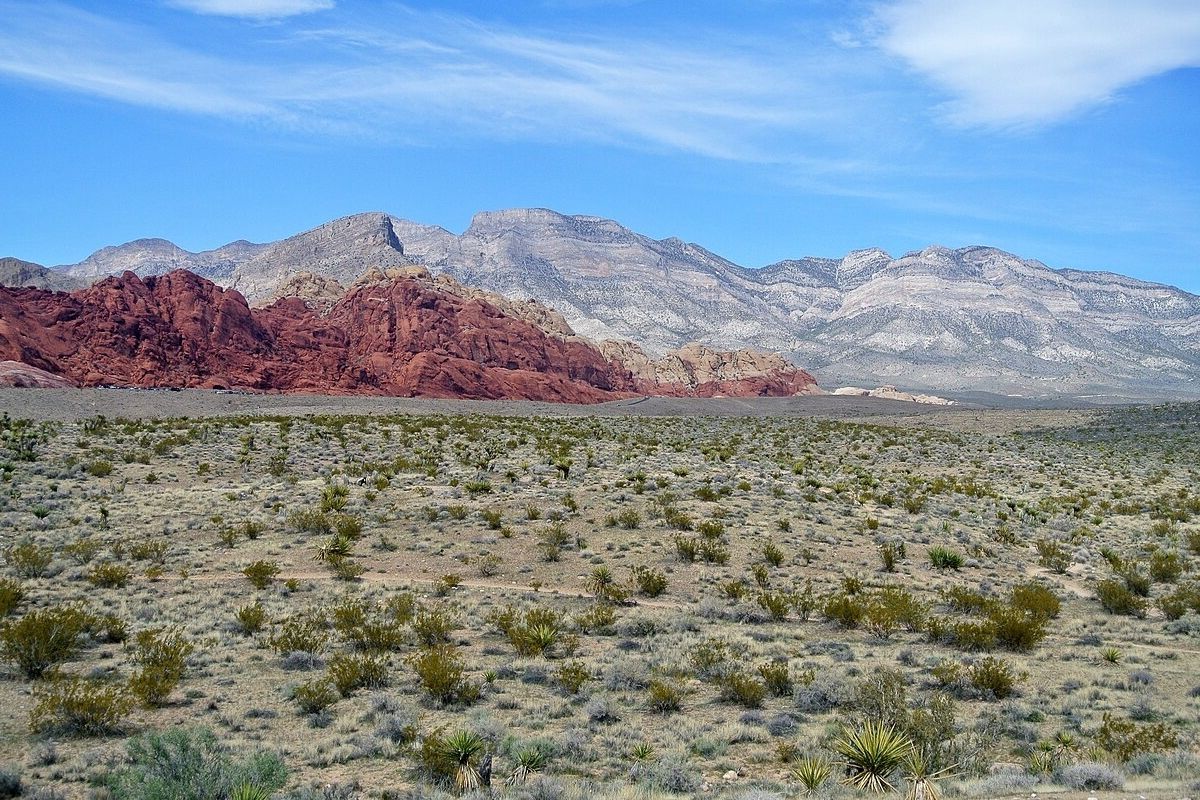
Have you ever wondered where the tortoises of Red Rock Canyon call home? These fascinating creatures thrive in the rugged beauty of Nevada's desert landscape. Red Rock Canyon, known for its stunning red sandstone formations, also provides a perfect habitat for these slow-moving reptiles. The tortoises here have adapted to the harsh conditions, finding shelter in burrows and feeding on native plants. Visiting Red Rock Canyon offers a unique chance to see these amazing animals in their natural environment. Whether you're a nature lover or just curious, learning about the tortoises of Red Rock Canyon adds a special touch to any trip.
Hidden Habitat of Nevada's Red Rock Canyon Tortoises
Red Rock Canyon, located just a short drive from Las Vegas, is a stunning natural area known for its vibrant red rock formations and diverse wildlife. Among the many creatures that call this place home, the desert tortoise stands out. These slow-moving reptiles have adapted to the harsh desert environment, making their homes in some truly fascinating spots.
1. Calico Hills
The Calico Hills are a striking series of red and orange sandstone formations. These hills provide excellent shelter for tortoises, with numerous crevices and overhangs offering protection from predators and the scorching sun.
2. Keystone Thrust
Keystone Thrust is a geological wonder where ancient rock layers have been pushed up over younger ones. This area is rich in vegetation, providing tortoises with ample food sources. The varied terrain also offers plenty of hiding spots.
3. Ice Box Canyon
Despite its name, Ice Box Canyon can get quite warm. However, its deep, shaded crevices remain cool, making it a perfect refuge for tortoises during the hottest parts of the day. The canyon's seasonal water flow also attracts these reptiles.
4. Pine Creek Canyon
Pine Creek Canyon is a lush area with a perennial stream. The presence of water supports a variety of plant life, which in turn provides food for tortoises. The canyon's rocky terrain offers numerous hiding spots and burrowing opportunities.
5. Turtlehead Peak
Turtlehead Peak, named for its turtle-like shape, is a popular hiking destination. The rocky slopes and sparse vegetation make it an ideal habitat for desert tortoises. Hikers often spot these creatures basking in the sun or slowly making their way across the trails.
6. Sandstone Quarry
Sandstone Quarry, once a bustling site for extracting sandstone, is now a quiet area where tortoises can be found. The abandoned quarry provides plenty of nooks and crannies for these reptiles to hide and find shade.
7. Willow Springs
Willow Springs is a historic site with petroglyphs and a natural spring. The spring attracts a variety of wildlife, including tortoises. The surrounding vegetation offers ample food, while the rocky terrain provides shelter.
8. Lost Creek
Lost Creek is a hidden gem within Red Rock Canyon. This area features a seasonal waterfall and a lush riparian habitat. Tortoises thrive here, taking advantage of the abundant water and vegetation.
9. Red Spring
Red Spring is an oasis in the desert, with a natural spring that supports a variety of plant and animal life. Tortoises are often seen near the spring, enjoying the cooler temperatures and plentiful food sources.
10. La Madre Spring
La Madre Spring is another vital water source within Red Rock Canyon. The spring supports a diverse ecosystem, providing tortoises with both food and water. The surrounding rocky terrain offers excellent hiding spots and burrowing opportunities.
Protecting Nevada's Red Rock Canyon Tortoises
Nevada's Red Rock Canyon is a unique home for desert tortoises. These creatures play a vital role in the ecosystem. They help maintain plant life and provide shelter for other animals. Human activities, however, threaten their habitat. Off-road vehicles, littering, and urban development are major concerns.
To protect these tortoises, visitors should follow guidelines. Stay on marked trails, avoid disturbing wildlife, and pack out all trash. Supporting local conservation efforts can also make a difference. Donations and volunteering help preserve this special area.
By respecting the environment, everyone can contribute to the survival of these tortoises. Enjoy the beauty of Red Rock Canyon while ensuring it remains a safe haven for its inhabitants. Protecting this habitat means future generations will also experience its wonders.
