

Hidden Energy Secrets Of Nevada’s Solar Test Site
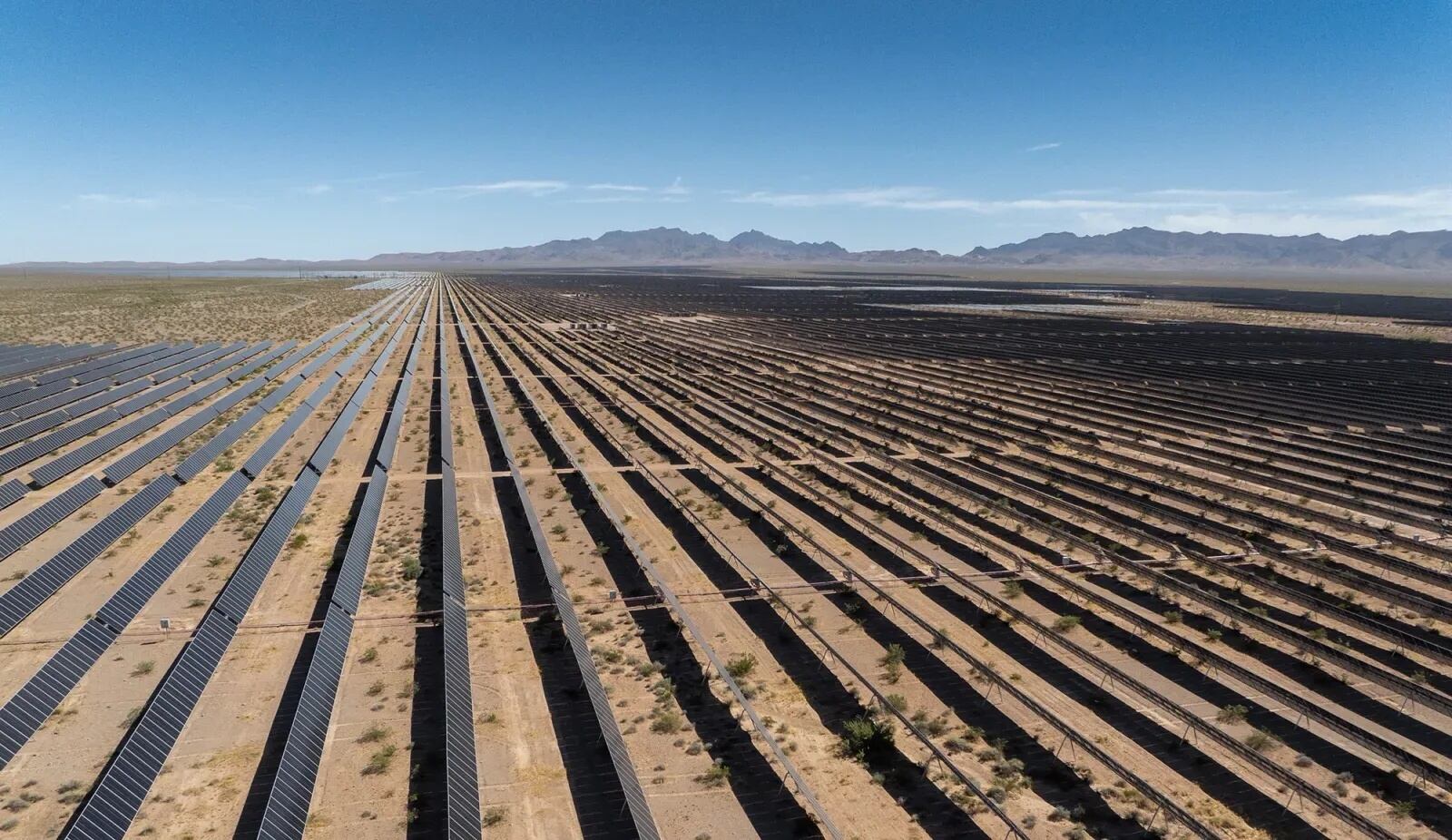
Have you ever wondered how Nevada harnesses the power of the sun? Nestled in the heart of the desert, the Nevada Solar Test Site stands as a beacon of innovation and sustainability. This unique location isn't just a field of solar panels; it's a hub for cutting-edge research and development in renewable energy. Scientists and engineers work tirelessly to push the boundaries of what solar technology can achieve. From testing new materials to optimizing energy storage, the site plays a crucial role in shaping the future of clean energy. Curious about what makes this place so special? Let's take a closer look at the hidden energy secrets of Nevada's Solar Test Site.
Nevada's Solar Test Site: A Glimpse into the Future of Energy
Nevada's Solar Test Site is a fascinating place where cutting-edge solar technology meets the vast desert landscape. This site is not just about solar panels; it's a hub of innovation, research, and sustainable energy solutions. Let's dive into some of the hidden energy secrets that make this place so special.
1. The Solar Power Tower
The Solar Power Tower stands tall as a beacon of renewable energy. This impressive structure uses a field of mirrors to concentrate sunlight onto a central receiver, generating high temperatures to produce electricity.
- How it works: Mirrors, called heliostats, track the sun and reflect its rays onto the tower.
- Energy output: Capable of generating megawatts of power, enough to supply thousands of homes.
- Innovation: Advanced materials and cooling systems enhance efficiency.
2. Photovoltaic Research Center
The Photovoltaic Research Center is where scientists and engineers push the boundaries of solar cell technology. This facility focuses on improving the efficiency and durability of solar panels.
- Research focus: Developing new materials and designs for solar cells.
- Impact: Higher efficiency means more electricity from the same amount of sunlight.
- Future goals: Creating affordable, high-performance solar panels for widespread use.
3. Solar Thermal Energy Storage
Energy storage is crucial for making solar power reliable. The Solar Thermal Energy Storage facility at Nevada's Solar Test Site explores innovative ways to store solar energy for use when the sun isn't shining.
- Storage methods: Using molten salts to store heat generated by solar power.
- Benefits: Provides a steady supply of electricity, even at night or on cloudy days.
- Advancements: Research into new storage materials and techniques.
4. Hybrid Solar-Wind Systems
Combining solar and wind power can create a more consistent and reliable energy supply. The Hybrid Solar-Wind Systems at the test site explore how these two renewable sources can work together.
- System design: Integrating solar panels and wind turbines in a single system.
- Advantages: Balances energy production, as wind and solar can complement each other.
- Research: Optimizing system performance and reducing costs.
5. Solar Desalination Plant
Water scarcity is a significant issue in many parts of the world. The Solar Desalination Plant at the test site uses solar energy to turn seawater into fresh, drinkable water.
- Process: Solar power heats seawater, causing it to evaporate and leave salt behind.
- Output: Produces clean water for drinking, agriculture, and industry.
- Potential: Could provide a sustainable solution to water shortages in arid regions.
6. Solar-Powered Hydrogen Production
Hydrogen is a clean fuel that can be used for various applications, from powering vehicles to generating electricity. The Solar-Powered Hydrogen Production facility at the test site explores how solar energy can produce hydrogen.
- Method: Using solar power to split water into hydrogen and oxygen through electrolysis.
- Uses: Hydrogen can be stored and used as a fuel or energy carrier.
- Future prospects: Developing efficient and cost-effective hydrogen production methods.
7. Solar-Powered Electric Vehicle Charging Stations
Electric vehicles (EVs) are becoming more popular, and charging them with solar power makes them even greener. The test site features Solar-Powered EV Charging Stations that harness the sun's energy to charge electric cars.
- Setup: Solar panels provide electricity directly to charging stations.
- Benefits: Reduces the carbon footprint of EVs and promotes renewable energy use.
- Expansion: Potential for widespread adoption in urban and rural areas.
8. Solar-Powered Microgrids
Microgrids are small, self-sufficient energy systems that can operate independently or in conjunction with the main power grid. The Solar-Powered Microgrids at the test site demonstrate how solar energy can create resilient, decentralized power systems.
- Design: Combining solar panels, batteries, and smart grid technology.
- Advantages: Enhances energy security and reduces reliance on centralized power plants.
- Applications: Ideal for remote communities, disaster recovery, and military bases.
9. Solar-Powered Water Purification
Clean water is essential for health and well-being. The Solar-Powered Water Purification systems at the test site use solar energy to remove contaminants from water, making it safe to drink.
- Technology: Solar power drives filtration and purification processes.
- Impact: Provides clean water in areas without access to traditional water treatment facilities.
- Innovation: Developing portable and scalable purification systems.
10. Solar-Powered Agriculture
Agriculture can benefit greatly from solar energy. The Solar-Powered Agriculture projects at the test site explore how solar power can support farming and food production.
- Applications: Solar-powered irrigation, greenhouses, and crop drying.
- Benefits: Reduces energy costs and increases sustainability in agriculture.
- Future: Expanding the use of solar technology in farming practices worldwide.
Nevada's Solar Test Site: A Bright Future
Nevada's Solar Test Site shows how renewable energy can power our future. This site isn't just about solar panels; it's a hub for innovation and sustainability. Researchers and engineers work tirelessly to improve solar technology, making it more efficient and affordable. The site also plays a crucial role in reducing carbon emissions, helping combat climate change. By investing in solar energy, Nevada sets an example for other states and countries. The advancements made here could lead to cleaner, more sustainable energy solutions worldwide. As technology continues to evolve, the Solar Test Site will remain at the forefront of renewable energy research. This commitment to a greener future benefits not only Nevada but the entire planet. The Solar Test Site is a beacon of hope, proving that a sustainable future is within reach.
