

Hidden Trading Routes Of Nebraska’s Platte River Valley
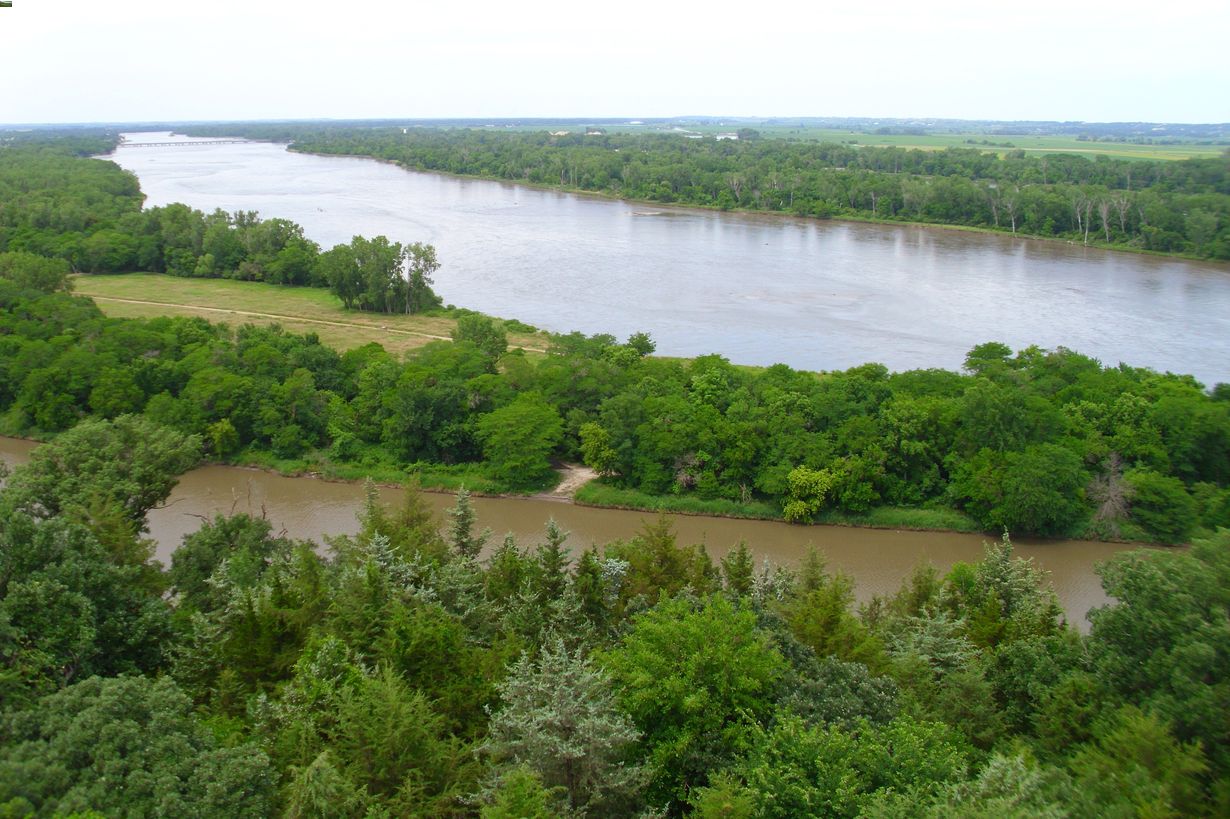
Have you ever wondered about the hidden trading routes of Nebraska's Platte River Valley? This region, often overlooked, holds a rich history of commerce and travel. Early settlers and Native American tribes used these paths for trade and migration. The Platte River Valley served as a vital corridor, connecting various cultures and economies. Today, remnants of these routes can still be found, offering a glimpse into the past. Exploring these paths not only reveals historical significance but also showcases the natural beauty of Nebraska. Ready to uncover the secrets of the Platte River Valley? Let's dive into its fascinating history.
Hidden Trading Routes of Nebraska's Platte River Valley
Nebraska's Platte River Valley holds secrets of ancient trading routes that shaped the region's history. These paths, once bustling with traders, now offer a glimpse into the past. Let's uncover some of these hidden gems.
1. Fort Kearny
Fort Kearny, established in 1848, served as a key military post and trading hub. Located near present-day Kearney, it provided protection for travelers on the Oregon Trail. Today, visitors can explore the reconstructed fort and learn about its role in westward expansion.
2. Ash Hollow
Ash Hollow, a natural spring and landmark, was a crucial stop for traders and pioneers. Situated near Lewellen, it offered fresh water and shelter. The site now features a visitor center with exhibits on its historical significance.
3. Scotts Bluff
Scotts Bluff, a towering rock formation, guided traders along the Oregon, California, and Mormon Trails. Located near Gering, it provided a visual reference point. The Scotts Bluff National Monument offers hiking trails and panoramic views of the valley.
4. Chimney Rock
Chimney Rock, an iconic spire, marked the halfway point for many westward travelers. Near Bayard, this natural wonder stood as a beacon of hope. The Chimney Rock Visitor Center provides insights into its geological and historical importance.
5. Fort Mitchell
Fort Mitchell, established in 1864, protected the Overland Trail and nearby telegraph lines. Located near Scottsbluff, it played a vital role during the Indian Wars. Visitors can explore the remnants of the fort and learn about its strategic importance.
6. Courthouse and Jail Rocks
Courthouse and Jail Rocks, twin rock formations, served as landmarks for traders and emigrants. Near Bridgeport, these natural structures resembled courthouse and jail buildings. The site offers hiking opportunities and interpretive signs detailing their history.
7. Fort Sidney
Fort Sidney, built in 1867, safeguarded the Union Pacific Railroad and nearby settlements. Located in Sidney, it became a bustling trading post. The Fort Sidney Museum showcases artifacts and stories from its storied past.
8. Rock Creek Station
Rock Creek Station, a Pony Express and stagecoach stop, was a vital link in the trading network. Near Fairbury, it provided rest and resupply for travelers. The state historical park features reconstructed buildings and interpretive trails.
9. Fort Atkinson
Fort Atkinson, established in 1819, was the first U.S. Army post west of the Missouri River. Near Fort Calhoun, it served as a trading center and military outpost. The reconstructed fort and visitor center offer a glimpse into early frontier life.
10. Mormon Island
Mormon Island, a sandbar in the Platte River, was a key stop for Mormon pioneers. Near Grand Island, it provided a safe crossing point. The Mormon Island State Recreation Area offers camping, fishing, and historical markers.
11. Fort McPherson
Fort McPherson, established in 1863, protected the Overland Trail and nearby settlers. Near Maxwell, it played a crucial role during the Indian Wars. The Fort McPherson National Cemetery honors soldiers who served there.
12. Julesburg
Julesburg, a trading post and stagecoach stop, was a bustling hub on the Overland Trail. Near the Colorado border, it attracted traders, trappers, and travelers. The town's museum highlights its colorful history and role in westward expansion.
13. Fort Laramie
Fort Laramie, though technically in Wyoming, was a key trading post for those traveling through the Platte River Valley. Near the Nebraska border, it served as a major supply point. The Fort Laramie National Historic Site preserves its rich history.
14. Pony Express Station
The Pony Express Station in Gothenburg is one of the few remaining original stations. It played a crucial role in the short-lived but legendary mail service. The station now serves as a museum, offering a peek into the daring days of the Pony Express.
15. Fort Robinson
Fort Robinson, near Crawford, was a significant military post and trading center. It played roles in the Indian Wars, World War II, and as a K-9 training center. The Fort Robinson State Park offers tours, museums, and outdoor activities.
16. California Hill
California Hill, near Brule, was a challenging ascent for emigrants on the California Trail. It tested the endurance of both people and animals. The site now features interpretive signs and hiking trails to experience the historic route.
17. Fort Hartsuff
Fort Hartsuff, established in 1874, protected settlers from Native American attacks. Near Burwell, it became a vital trading post. The state historical park preserves the fort's buildings and offers guided tours.
18. Fort Niobrara
Fort Niobrara, near Valentine, served as a military post and trading center. It protected settlers and facilitated trade with Native American tribes. The Fort Niobrara National Wildlife Refuge now occupies the site, offering wildlife viewing and hiking trails.
Discover Nebraska's Hidden Gems
Nebraska's Platte River Valley offers more than just scenic beauty. It's a treasure trove of hidden trading routes that tell stories of the past. Exploring these paths, you’ll uncover the rich history of Native American tribes, early settlers, and fur traders. Each trail reveals a piece of the puzzle that shaped the region.
Visiting the Platte River Valley isn’t just about the journey; it's about connecting with history. Whether you're hiking, biking, or driving, every route has something unique to offer. From ancient trading posts to breathtaking landscapes, the valley is a living museum waiting to be explored.
So, pack your bags and set out to discover the hidden gems of Nebraska's Platte River Valley. You'll leave with a deeper appreciation for the history and beauty that define this remarkable area. Happy exploring!
