

Hidden Pioneer Crossings Of Nebraska’s Mormon Trail
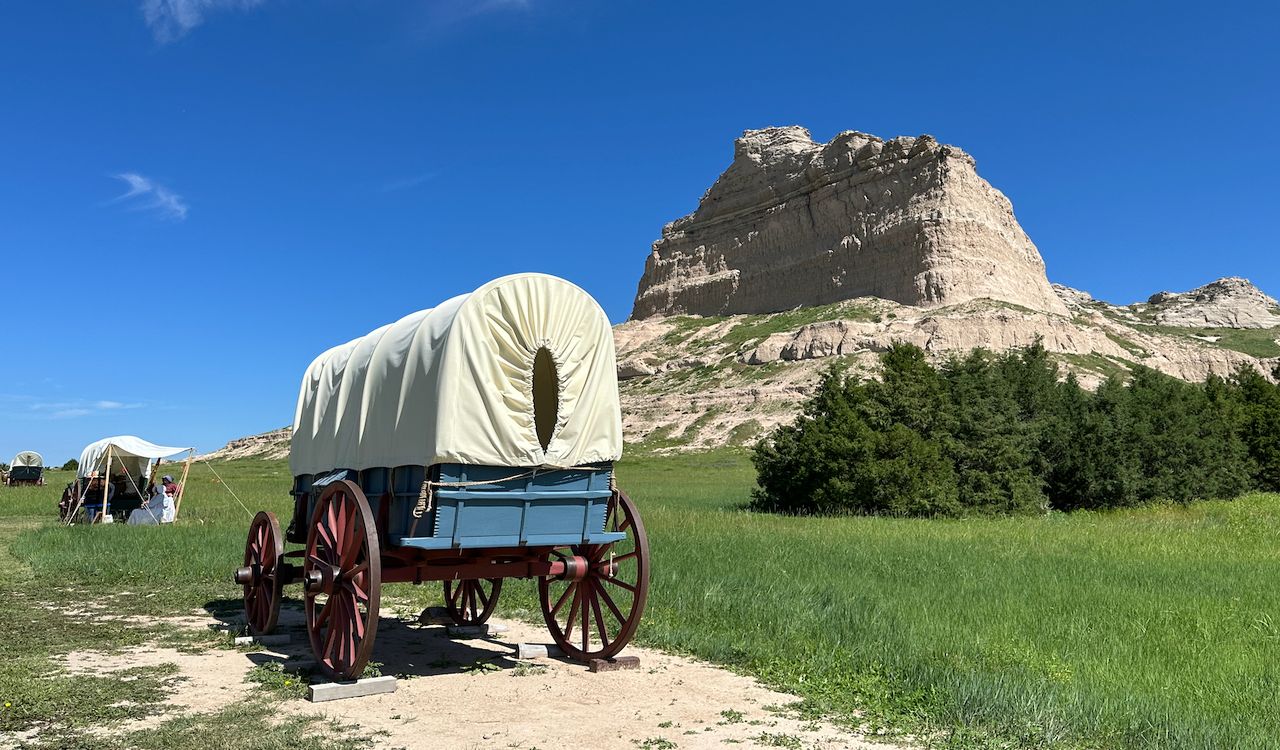
Have you ever wondered about the hidden gems along Nebraska's Mormon Trail? This historic path, once traveled by pioneers seeking new beginnings, holds secrets waiting to be uncovered. From scenic landscapes to historical landmarks, the trail offers a glimpse into the past. Imagine walking in the footsteps of those who braved the unknown, discovering the beauty and challenges they faced. Whether you're a history buff or just love a good adventure, exploring these hidden crossings can be a rewarding experience. Ready to dive into the rich history and natural beauty of Nebraska's Mormon Trail? Let's get started!
Hidden Pioneer Crossings of Nebraska's Mormon Trail
Nebraska's Mormon Trail is a path rich in history, where pioneers once trekked in search of new beginnings. While many know about the main stops along the trail, several hidden crossings offer unique glimpses into the past. These lesser-known spots provide a deeper understanding of the journey and the hardships faced by those early travelers.
1. Ash Hollow
Ash Hollow served as a crucial resting point for pioneers. Nestled in the North Platte River Valley, this site offered fresh water and shelter. Today, visitors can explore the natural springs and rock formations that provided much-needed respite.
2. Windlass Hill
Windlass Hill presented a significant challenge for wagons. The steep incline required pioneers to use a windlass system to lower their wagons safely. The deep ruts carved into the hill by countless wheels remain visible, a testament to the determination of those who passed.
3. Courthouse and Jail Rocks
These towering rock formations served as landmarks for travelers. Resembling a courthouse and jail, they provided a sense of direction and safety. The rocks also offered a place for pioneers to rest and gather their bearings before continuing their journey.
4. Chimney Rock
Chimney Rock stands as one of the most iconic landmarks along the trail. Its unique shape made it a crucial navigational aid. Pioneers often wrote about their relief upon seeing Chimney Rock, knowing they were on the right path.
5. Scotts Bluff
Scotts Bluff provided a natural gateway through the rugged terrain. The towering bluffs offered a panoramic view of the surrounding area, helping pioneers plan their next steps. Today, visitors can hike to the summit and experience the same breathtaking views.
6. Fort Kearny
Fort Kearny served as a vital supply stop. Established to protect travelers from potential threats, the fort offered provisions and a place to rest. The reconstructed buildings and exhibits provide insight into the daily life of both soldiers and pioneers.
7. Rock Creek Station
Rock Creek Station became infamous due to a violent encounter involving Wild Bill Hickok. Beyond its notorious history, the station offered a place for pioneers to rest and resupply. The preserved buildings and artifacts tell the story of life on the trail.
8. Mormon Island
Mormon Island provided a crucial crossing point over the Platte River. The island offered a relatively safe passage, reducing the risk of accidents. Today, the area is part of a state recreation area, where visitors can enjoy the natural beauty and reflect on the past.
9. O'Fallon's Bluff
O'Fallon's Bluff posed a significant obstacle with its steep banks and treacherous terrain. Pioneers had to navigate carefully to avoid accidents. The site remains a reminder of the challenges faced and the resilience required to overcome them.
10. California Hill
California Hill marked the beginning of a challenging ascent for pioneers heading west. The steep climb tested the endurance of both people and animals. The deep ruts left by wagons are still visible, offering a tangible connection to the past.
11. Julesburg
Julesburg served as a key stop for mail and supplies. The town's strategic location made it a bustling hub of activity. Today, visitors can explore the remnants of the old town and learn about its role in the westward expansion.
12. Ash Point
Ash Point provided a crucial crossing over the Loup River. The shallow waters made it easier for wagons to ford the river. The site remains a peaceful spot where visitors can imagine the relief pioneers felt upon safely crossing.
13. Blue River Crossing
Blue River Crossing offered a reliable water source and a place to rest. The river's clear waters provided much-needed refreshment for both people and animals. The serene setting invites visitors to reflect on the journey and the hardships endured.
14. Grand Island
Grand Island served as a major stop for resupply and rest. The town's location made it a convenient place for pioneers to gather provisions. Today, the city offers a blend of historical sites and modern amenities, bridging the past and present.
15. Fort Laramie
Fort Laramie marked a significant milestone on the trail. The fort provided protection, supplies, and a place to rest. The well-preserved buildings and exhibits offer a glimpse into the lives of those who lived and traveled through the area.
Discovering Nebraska's Hidden Pioneer Crossings
Exploring Nebraska's hidden pioneer crossings along the Mormon Trail offers a unique glimpse into the past. These lesser-known spots provide a rich history that often goes unnoticed. Visiting these sites, you can almost feel the determination and resilience of the pioneers who traveled this path.
From the Platte River to Ash Hollow, each location tells its own story. These crossings were crucial for the pioneers, marking significant milestones on their journey. They faced numerous challenges, yet their spirit remained unbroken.
Taking the time to visit these hidden gems not only enriches your understanding of history but also offers a peaceful escape from modern life. Whether you're a history buff or just looking for a new adventure, Nebraska's hidden pioneer crossings are worth the trip. So pack your bags, hit the trail, and step back in time.
