

Secrets Of Sustainable Livestock In Montana’s Madison Valley
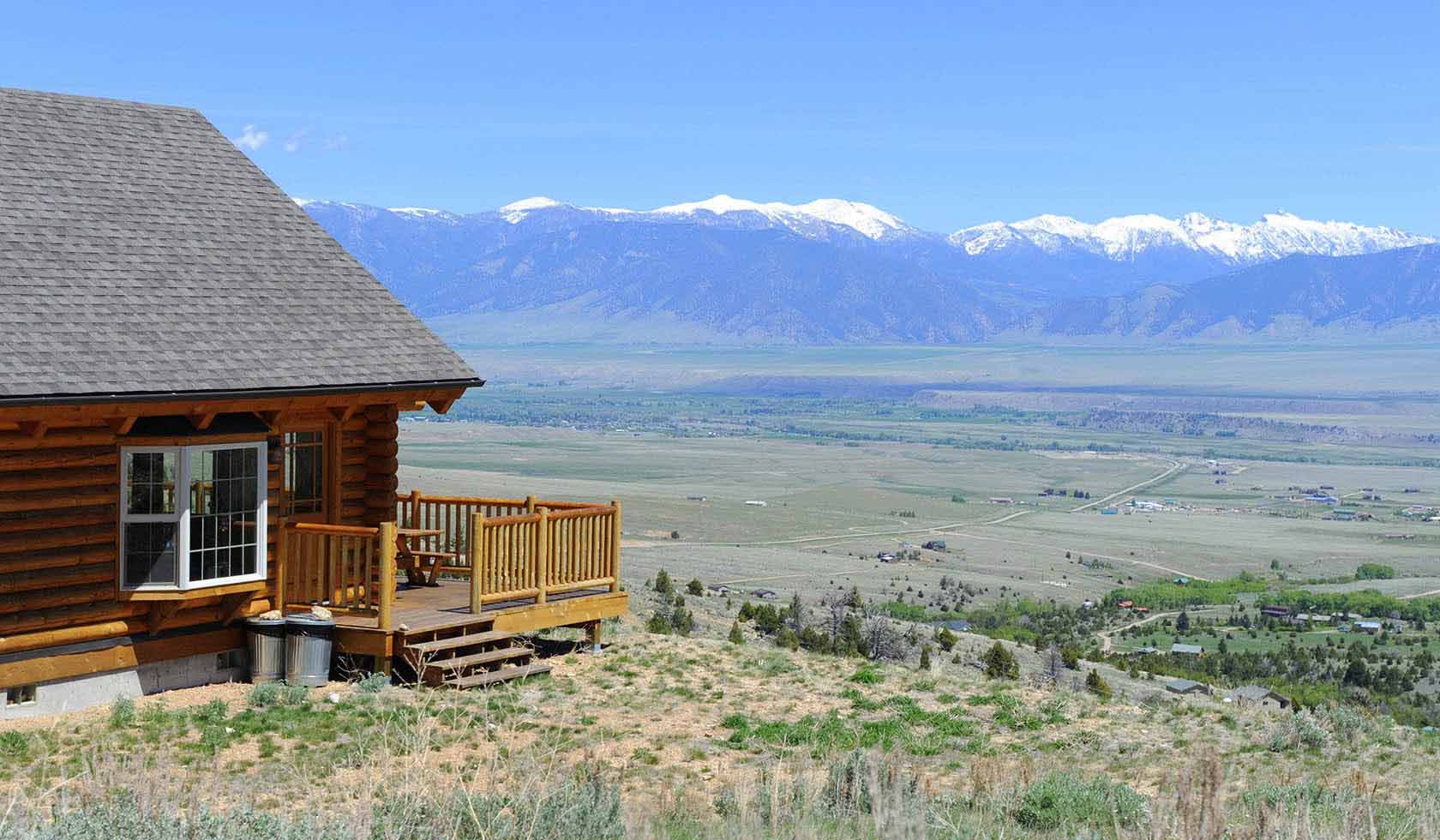
Have you ever wondered how sustainable livestock practices thrive in Montana's Madison Valley? This picturesque region, known for its stunning landscapes and rich history, is also a hub for innovative farming techniques. Ranchers here are committed to preserving the land while raising healthy, happy animals. They use methods like rotational grazing, which helps maintain soil health and biodiversity. By focusing on sustainability, these ranchers ensure that future generations can continue to enjoy the valley's natural beauty and resources. Join us as we explore the secrets behind their success and learn how these practices benefit both the environment and the community.
The Beauty of Madison Valley
Madison Valley in Montana is a hidden gem for sustainable livestock farming. This picturesque area offers a unique blend of natural beauty and innovative farming practices. Let's explore some key places that make this valley a hub for sustainable agriculture.
1. Sun Ranch
Sun Ranch stands out as a leader in sustainable livestock farming. They focus on holistic management practices that improve soil health and biodiversity. By rotating grazing areas, they ensure the land remains fertile and productive.
2. Madison River Ranch
Madison River Ranch combines traditional ranching with modern sustainability techniques. They use solar-powered water systems to reduce their carbon footprint. Their cattle graze on native grasses, which helps maintain the natural ecosystem.
3. Grizzly Creek Ranch
Grizzly Creek Ranch is known for its commitment to organic farming. They avoid synthetic fertilizers and pesticides, opting for natural alternatives. This approach not only benefits the environment but also produces healthier livestock.
4. Lazy E-L Ranch
Lazy E-L Ranch focuses on regenerative agriculture. They use cover crops and composting to enrich the soil. Their cattle are grass-fed, which reduces the need for grain and lowers methane emissions.
5. Bar 7 Ranch
Bar 7 Ranch employs rotational grazing to keep their pastures healthy. They also participate in conservation programs to protect local wildlife. This balance between livestock and nature creates a sustainable farming model.
6. Diamond J Ranch
Diamond J Ranch integrates technology with traditional practices. They use GPS tracking to monitor grazing patterns and soil health. This data-driven approach helps them make informed decisions that benefit both the land and their livestock.
7. Willow Creek Ranch
Willow Creek Ranch emphasizes water conservation. They use drip irrigation and rainwater harvesting to minimize water usage. Their sustainable practices ensure that water resources remain plentiful for future generations.
8. Lone Mountain Ranch
Lone Mountain Ranch is a pioneer in eco-friendly farming. They use wind and solar energy to power their operations. Their commitment to renewable energy reduces their environmental impact and sets a standard for other ranches.
9. Ennis Ranch
Ennis Ranch focuses on community involvement. They host educational programs to teach sustainable farming techniques. By sharing their knowledge, they help spread sustainable practices throughout the region.
10. Ruby Valley Ranch
Ruby Valley Ranch combines livestock farming with wildlife conservation. They create habitats for local species while maintaining productive pastures. This dual focus ensures a balanced ecosystem that supports both livestock and wildlife.
Embracing Sustainable Livestock Practices
Sustainable livestock farming in Montana's Madison Valley is more than a trend. It's a way of life that benefits the environment, animals, and local communities. By focusing on rotational grazing, water conservation, and biodiversity, farmers ensure their lands remain fertile and productive for future generations. These practices also help reduce greenhouse gas emissions, making a positive impact on climate change.
Supporting local farmers who adopt these methods is crucial. Buying grass-fed beef or pasture-raised pork not only provides healthier food options but also encourages more farmers to adopt sustainable practices. Education and community involvement play key roles in spreading these methods.
Montana's Madison Valley serves as a model for sustainable livestock farming. Embracing these practices can lead to a healthier planet and a more resilient agricultural system. Let's support and learn from these innovative farmers.
