

Secrets Of Montana’s Glacier National Park Tundra Ecosystems
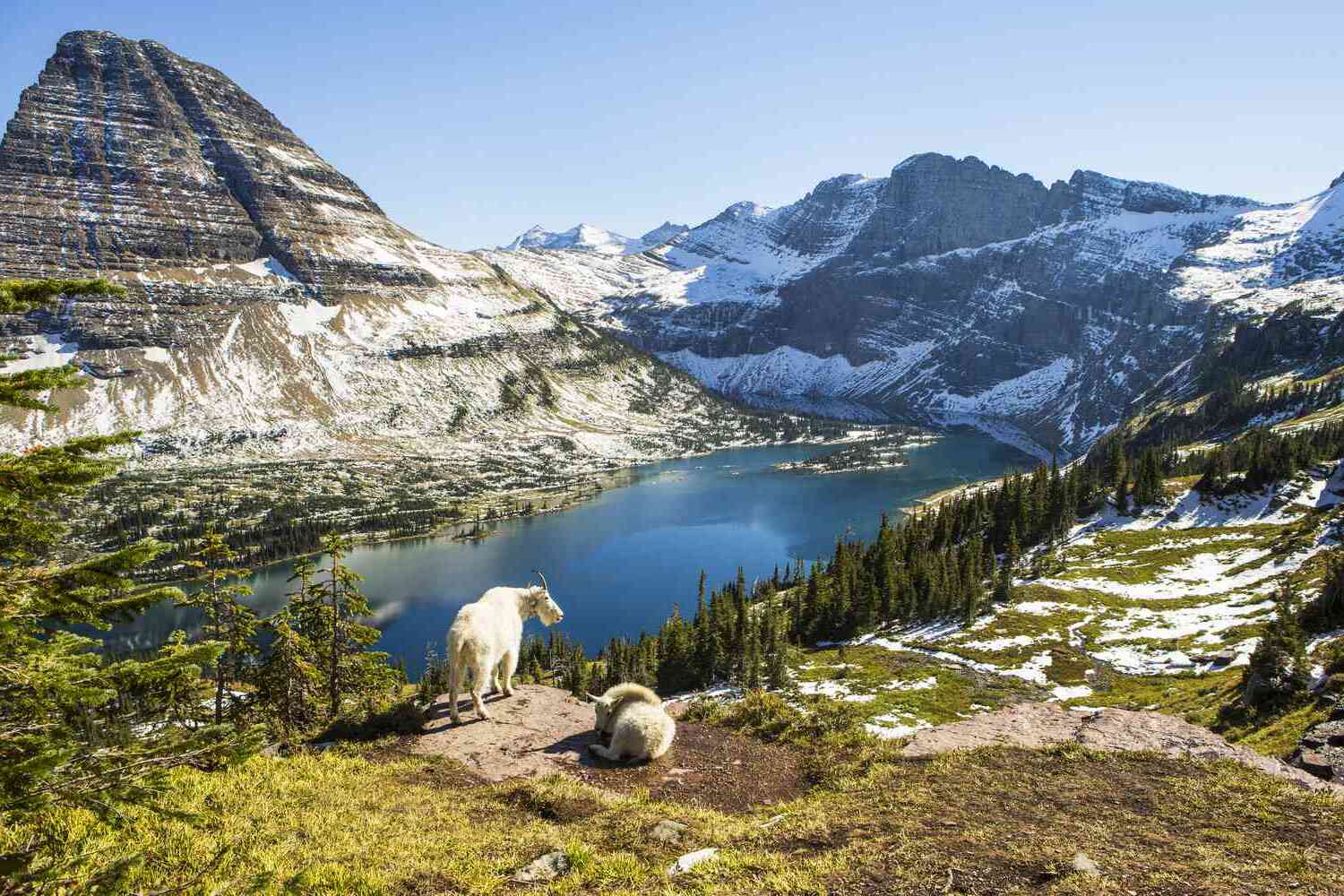
Have you ever wondered what makes Glacier National Park so special? This stunning park in Montana is home to some of the most breathtaking landscapes in the United States. From towering mountains to crystal-clear lakes, it offers a paradise for nature lovers. But one of its most unique features is the tundra ecosystems. These fragile environments are found at high elevations and are home to a variety of plants and animals that have adapted to harsh conditions. Exploring these ecosystems can feel like stepping into another world. Ready to learn more about what makes Glacier National Park's tundra so fascinating? Let's dive in!
Discover the Hidden Gems of Glacier National Park
Montana's Glacier National Park is a treasure chest of natural wonders. Its tundra ecosystems are particularly fascinating, offering a unique blend of flora and fauna. Let's dive into some of the park's best-kept secrets.
Alpine Meadows
Alpine meadows in Glacier National Park are a sight to behold. These high-altitude grasslands are teeming with life, from colorful wildflowers to elusive wildlife.
Logan Pass: At 6,646 feet, Logan Pass is the highest point on the Going-to-the-Sun Road. In summer, it transforms into a vibrant tapestry of wildflowers like beargrass and Indian paintbrush. Keep an eye out for mountain goats and bighorn sheep.
Hidden Lake Overlook: A short hike from Logan Pass, this spot offers breathtaking views of Hidden Lake and the surrounding peaks. The trail is lined with alpine meadows, where you might spot marmots and pikas.
Glacial Features
Glaciers have sculpted the landscape of Glacier National Park, creating stunning features that are both beautiful and educational.
Grinnell Glacier: One of the park's most accessible glaciers, Grinnell Glacier is a must-see. The hike to the glacier offers views of turquoise lakes and cascading waterfalls. The glacier itself is a striking reminder of the park's icy past.
Jackson Glacier Overlook: Easily accessible from the Going-to-the-Sun Road, this overlook provides a clear view of Jackson Glacier. It's one of the few remaining glaciers in the park, making it a poignant symbol of climate change.
Unique Wildlife
The tundra ecosystems of Glacier National Park are home to a variety of unique wildlife species. These creatures have adapted to the harsh conditions, making them fascinating subjects for observation.
Ptarmigan: These birds are masters of camouflage, changing their plumage from brown in summer to white in winter. Look for them in the park's higher elevations, especially around Logan Pass.
Hoary Marmot: Known for their loud whistles, hoary marmots are often seen sunning themselves on rocks. They hibernate for up to eight months, surviving on stored body fat.
Rare Plant Species
The tundra ecosystems also host a variety of rare plant species. These plants have adapted to the extreme conditions, making them unique and interesting to study.
Glacier Lily: This bright yellow flower blooms shortly after the snow melts. It's commonly found in alpine meadows and is a favorite food of grizzly bears.
Whitebark Pine: This hardy tree grows at high elevations and plays a crucial role in the ecosystem. Its seeds are an important food source for birds and mammals, including the Clark's nutcracker and grizzly bears.
Serene Lakes
The park's tundra ecosystems are dotted with serene lakes, offering peaceful spots for reflection and recreation.
Iceberg Lake: True to its name, Iceberg Lake often has floating icebergs even in summer. The hike to the lake is challenging but rewarding, with stunning views of the surrounding cliffs and meadows.
Cracker Lake: Known for its striking turquoise color, Cracker Lake is a hidden gem. The trail to the lake passes through lush meadows and offers a chance to see wildlife like mountain goats and moose.
Majestic Peaks
The rugged peaks of Glacier National Park are a defining feature of its tundra ecosystems. These towering mountains offer both challenges and rewards for adventurous hikers.
Mount Oberlin: A relatively accessible peak, Mount Oberlin offers panoramic views of the park. The climb is steep but short, making it a popular choice for those looking to experience the park's high country.
Mount Gould: For more experienced climbers, Mount Gould offers a challenging ascent. The views from the summit are unparalleled, with vistas of glaciers, lakes, and meadows stretching as far as the eye can see.
Embracing the Beauty of Glacier National Park
Glacier National Park's tundra ecosystems offer a unique blend of breathtaking landscapes, diverse wildlife, and rich history. Exploring this natural wonder provides an opportunity to connect with nature on a deeper level. Whether hiking through alpine meadows, observing majestic wildlife, or simply soaking in the stunning vistas, every moment spent here is unforgettable.
The park's delicate balance of flora and fauna highlights the importance of conservation efforts. Protecting these ecosystems ensures future generations can experience the same awe-inspiring beauty. Remember to respect the environment by following park guidelines and leaving no trace.
Visiting Glacier National Park is more than just a trip; it's an adventure that leaves a lasting impact. The memories created here will inspire a greater appreciation for the natural world and a commitment to preserving its wonders. Embrace the beauty, and let Glacier National Park's tundra ecosystems captivate your heart.
