

Secrets Of Montana’s Glacier Line Water Tower Foundations
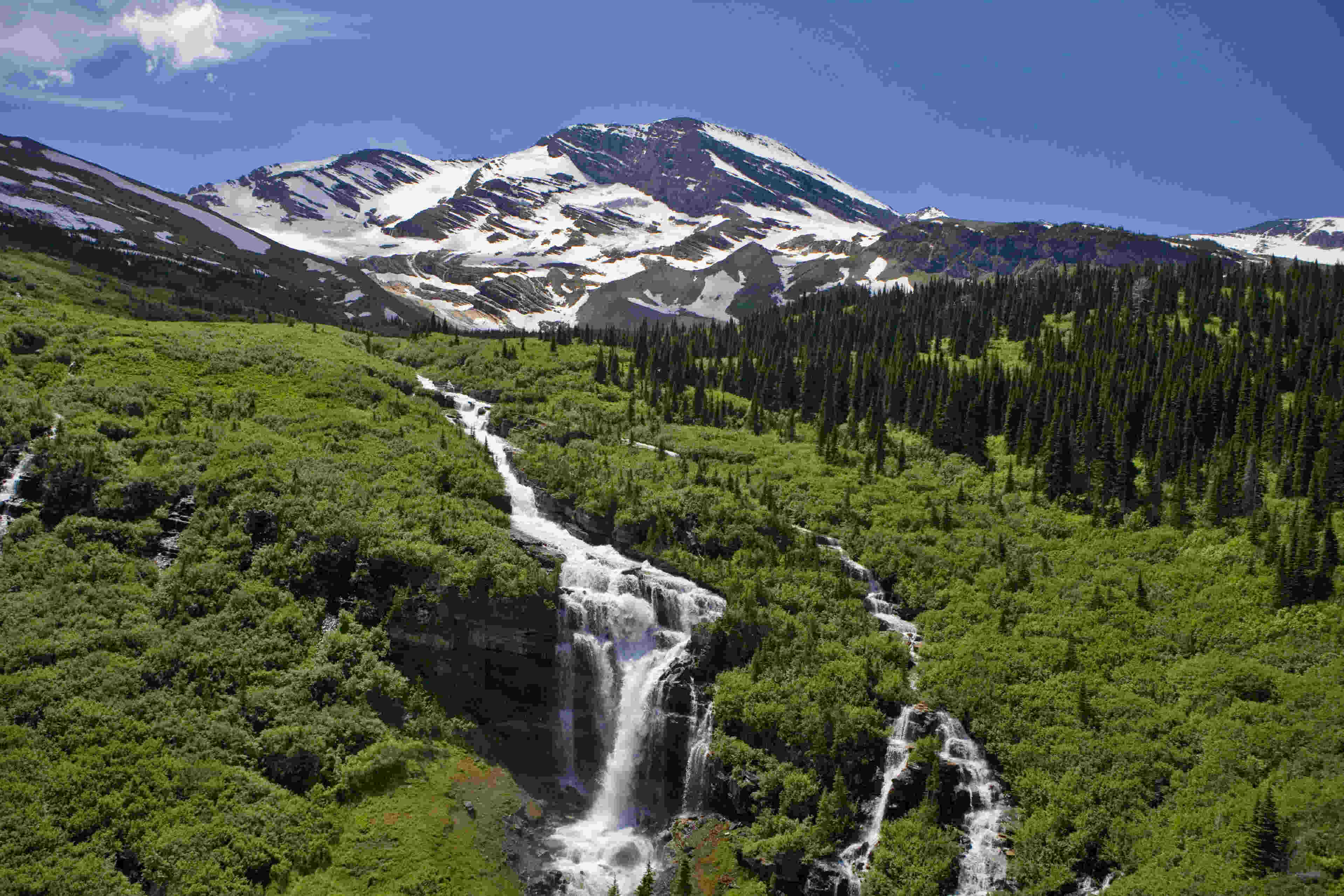
Have you ever wondered about the foundations of the Glacier Line Water Tower in Montana? This iconic structure stands tall, but its true marvel lies beneath the surface. Built to withstand harsh weather and seismic activity, the foundation ensures stability and longevity. Engineers used advanced techniques and materials to create a base that could support the tower's immense weight. Understanding these foundations offers a glimpse into the ingenuity and effort required to construct such a landmark. Whether you're a history buff or just curious, the story behind the Glacier Line Water Tower's foundation is both intriguing and educational.
Montana's Glacier Line: A Hidden Gem
Montana's Glacier Line is a treasure trove of natural beauty and historical significance. One of its most intriguing features is the series of water towers that dot the landscape. These structures, often overlooked, have fascinating foundations that tell stories of engineering marvels and the rugged terrain they inhabit.
The Engineering Marvels of Glacier Line Water Towers
The water towers along Montana's Glacier Line are not just functional; they are feats of engineering. Each tower's foundation is uniquely designed to withstand the harsh weather and geological challenges of the region.
Essex Water Tower
- Nestled in the heart of the Glacier Line, the Essex Water Tower stands as a testament to early 20th-century engineering. Its foundation is built on a combination of concrete and steel, designed to endure the region's heavy snowfall and seismic activity.
Belton Water Tower
- Located near the entrance of Glacier National Park, the Belton Water Tower boasts a foundation reinforced with local stone. This not only provides stability but also blends seamlessly with the natural surroundings, making it a picturesque landmark.
Historical Significance of Glacier Line Water Towers
These water towers are more than just engineering feats; they are historical landmarks that offer a glimpse into the past. Each tower has its own story, reflecting the era in which it was built and the community it served.
West Glacier Water Tower
- This tower played a crucial role during the early days of the Great Northern Railway. Its foundation, made of timber and stone, showcases the resourcefulness of early settlers who used available materials to create lasting structures.
Marias Pass Water Tower
- Situated at one of the highest points along the Glacier Line, the Marias Pass Water Tower has a foundation designed to withstand extreme weather conditions. Its historical significance lies in its role in supporting the railway during its expansion westward.
The Natural Beauty Surrounding Glacier Line Water Towers
The water towers are not just historical and engineering marvels; they are also surrounded by breathtaking natural beauty. Each location offers unique vistas that make visiting these towers an unforgettable experience.
Two Medicine Water Tower
- Perched near the stunning Two Medicine Lake, this water tower offers panoramic views of the surrounding mountains and valleys. Its foundation, built on solid rock, ensures stability while providing a perfect vantage point for nature lovers.
Cut Bank Water Tower
- Located in a more remote area, the Cut Bank Water Tower is surrounded by vast plains and rolling hills. Its foundation, a blend of concrete and gravel, is designed to withstand the area's strong winds and shifting soils.
The Future of Glacier Line Water Towers
As we look to the future, preserving these water towers becomes increasingly important. They are not just relics of the past but also symbols of human ingenuity and resilience.
Browning Water Tower
- The Browning Water Tower, with its foundation of reinforced concrete, stands as a beacon of durability. Efforts are underway to preserve this tower, ensuring it remains a part of Montana's rich heritage for generations to come.
Whitefish Water Tower
- The Whitefish Water Tower is a prime example of how modern preservation techniques can be applied to historical structures. Its foundation, a mix of old and new materials, highlights the importance of maintaining these landmarks while adapting to contemporary needs.
Montana's Hidden Gem
Montana's Glacier Line water towers stand as a testament to engineering and history. These structures, built with precision and care, have withstood the test of time. Their foundations, often overlooked, are the true heroes, ensuring stability and longevity. Visiting these towers offers a glimpse into the past, showcasing the ingenuity of those who constructed them. Exploring the surrounding areas adds to the experience, with breathtaking landscapes and rich history. Whether you're a history buff, an engineering enthusiast, or just someone who loves discovering hidden gems, Montana's Glacier Line water towers are worth the trip. They remind us of the importance of strong foundations, both in construction and in life. So, next time you find yourself in Montana, take a moment to appreciate these remarkable structures and the stories they hold.
