

Secrets Of Montana’s Fort William Military Outposts
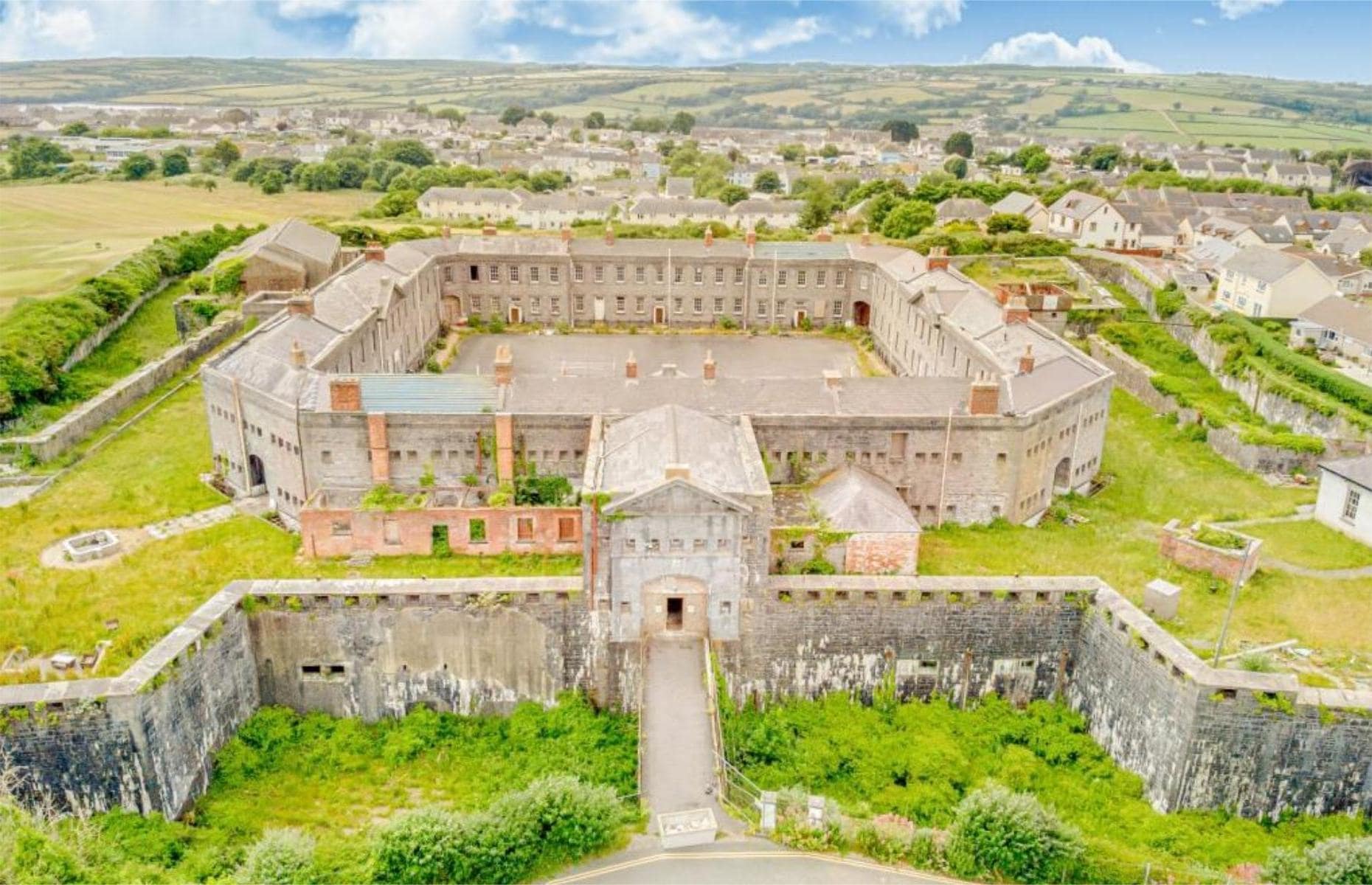
Have you ever wondered about the hidden history of Montana's Fort William military outposts? These forts played a crucial role in shaping the region's past. Built during the 19th century, they served as strategic points for trade, defense, and exploration. Soldiers stationed at these outposts faced harsh conditions, from freezing winters to conflicts with local tribes. Despite these challenges, they managed to establish a lasting presence. Today, visitors can explore the remnants of these forts, gaining a glimpse into the lives of those who once called them home. Ready to step back in time and uncover the secrets of Montana's military history?
Discovering Montana's Fort William Military Outposts
Montana's Fort William military outposts hold a treasure trove of history. These sites offer a glimpse into the past, showcasing the strategic importance and rugged beauty of the region. Let's explore some of the most fascinating outposts.
1. Fort Benton
Fort Benton, often called the "Birthplace of Montana," played a crucial role in the fur trade. Established in 1846, it became a bustling hub for traders, trappers, and Native Americans. Today, visitors can explore the reconstructed fort and learn about its rich history at the Museum of the Northern Great Plains.
2. Fort Missoula
Fort Missoula, built in 1877, served as a military post to protect settlers and maintain peace with Native American tribes. During World War II, it became an internment camp for Italian and Japanese nationals. The Historical Museum at Fort Missoula offers exhibits on its diverse history, from military life to internment.
3. Fort Shaw
Fort Shaw, established in 1867, was a key military outpost during the Indian Wars. It later became the Fort Shaw Indian School, where Native American children were educated. The site now features interpretive signs and a small museum, providing insight into its dual role in Montana's history.
4. Fort Assinniboine
Fort Assinniboine, one of the largest military forts in the United States, was built in 1879. It served as a base for military operations against Native American tribes and later housed Buffalo Soldiers. The fort's ruins and the nearby Havre Beneath the Streets museum offer a fascinating look at its storied past.
5. Fort Owen
Fort Owen, established in 1850, was the first permanent white settlement in Montana. It served as a trading post, mission, and military outpost. The site now features a small museum and reconstructed buildings, providing a glimpse into the early days of Montana's settlement.
6. Fort Ellis
Fort Ellis, built in 1867, protected settlers and miners during the Indian Wars. It also served as a supply base for expeditions into Yellowstone National Park. Although little remains of the fort today, historical markers and interpretive signs tell the story of its significance.
7. Fort Keogh
Fort Keogh, established in 1876, was a major military post during the Indian Wars. It later became an agricultural research station, which it remains today. Visitors can explore the fort's history through interpretive signs and exhibits at the nearby Range Riders Museum.
8. Fort Custer
Fort Custer, built in 1877, was named after General George Armstrong Custer. It played a key role in protecting settlers and maintaining peace with Native American tribes. Though the fort was abandoned in 1898, historical markers and interpretive signs provide insight into its past.
9. Fort Maginnis
Fort Maginnis, established in 1880, served as a military outpost during the Indian Wars. It was named after Captain Martin Maginnis, a Civil War hero. The site now features historical markers and interpretive signs, offering a glimpse into its brief but significant history.
10. Fort Logan
Fort Logan, built in 1869, was a small military outpost that protected settlers and miners. It was named after General John A. Logan, a Civil War veteran. Today, visitors can explore the fort's history through interpretive signs and a small museum in the nearby town of White Sulphur Springs.
Montana's Fort William: A Glimpse into History
Montana's Fort William military outposts offer a unique peek into America's past. These sites tell stories of bravery, strategy, and the daily lives of soldiers. Visiting these outposts, you can almost hear the echoes of history in the wind. The preserved structures and artifacts provide a tangible connection to the events that shaped the region.
Exploring these forts isn't just about learning history; it's about experiencing it. Walking through the grounds, you get a sense of the challenges and triumphs faced by those who lived and served there. Whether you're a history buff or just curious, these outposts offer something for everyone.
Plan a visit to Montana's Fort William military outposts. You'll leave with a deeper appreciation for the sacrifices made and the history that continues to influence our present.
