

Secrets Of Montana’s Fort Missoula Military Outposts
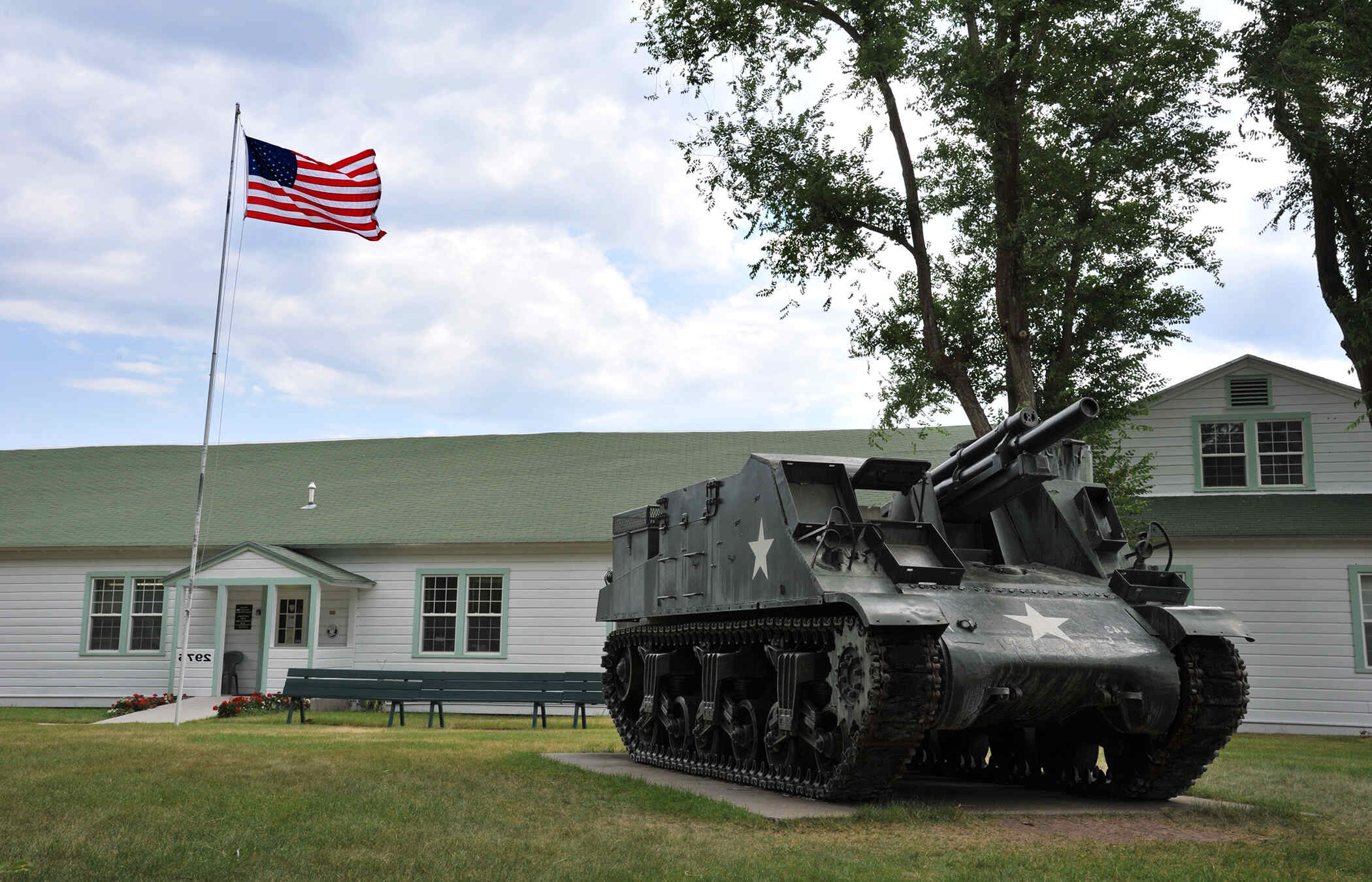
Have you ever wondered about the hidden stories behind Fort Missoula? This historic site in Montana holds tales of military strategy, resilience, and community. Established in 1877, Fort Missoula served as a key military outpost during the Indian Wars, World War I, and World War II. It housed soldiers, prisoners of war, and even Italian internees. Today, Fort Missoula stands as a testament to the past, offering visitors a glimpse into the lives of those who lived and worked there. Whether you're a history buff or just curious, Fort Missoula promises a fascinating journey through time.
Discovering Fort Missoula's Hidden Military Outposts
Fort Missoula, nestled in the heart of Montana, holds a treasure trove of military history. This historic site, established in 1877, served as a crucial military post during various periods. Today, it offers a glimpse into the past with its preserved outposts and structures. Let's explore some of the hidden gems within Fort Missoula.
1. The Officer's Quarters
The Officer's Quarters at Fort Missoula stand as a testament to the lives of the officers who once called this place home. These elegant buildings, with their charming architecture, provide a window into the daily routines and social lives of military officers.
2. The Parade Grounds
The Parade Grounds were the heart of Fort Missoula's military activities. Soldiers would gather here for drills, ceremonies, and inspections. The expansive green space still echoes with the footsteps of those who once trained and marched here.
3. The Post Hospital
The Post Hospital served as a vital medical facility for soldiers stationed at Fort Missoula. This building, with its historical significance, offers insights into the medical practices and challenges faced by military personnel during different eras.
4. The Barracks
The Barracks housed the enlisted men who served at Fort Missoula. These sturdy structures provided shelter and a sense of camaraderie among the soldiers. Walking through the barracks, one can almost hear the stories and laughter of the men who lived there.
5. The Guardhouse
The Guardhouse played a crucial role in maintaining discipline and order at Fort Missoula. This building, with its imposing presence, reminds visitors of the strict military regulations and the importance of security within the fort.
6. The Blacksmith Shop
The Blacksmith Shop was essential for maintaining the fort's equipment and horses. This workshop, with its tools and forge, showcases the craftsmanship and hard work of the blacksmiths who kept the fort running smoothly.
7. The Quartermaster's Storehouse
The Quartermaster's Storehouse was the hub of supply and logistics at Fort Missoula. This building stored essential provisions, equipment, and uniforms, ensuring that the soldiers had everything they needed to perform their duties effectively.
8. The Chapel
The Chapel provided a place of worship and solace for the soldiers stationed at Fort Missoula. This serene building, with its simple yet beautiful design, offered a sense of peace and community to those far from home.
9. The Commissary
The Commissary was where soldiers could purchase food and other necessities. This building, with its bustling atmosphere, was a vital part of daily life at Fort Missoula, ensuring that the troops were well-fed and equipped.
10. The Stables
The Stables housed the horses that were essential for transportation and communication at Fort Missoula. These structures, with their rustic charm, remind visitors of the important role horses played in military operations.
11. The Schoolhouse
The Schoolhouse provided education for the children of soldiers stationed at Fort Missoula. This building, with its classrooms and playground, highlights the importance of family and education within the military community.
12. The Powder Magazine
The Powder Magazine stored the fort's ammunition and explosives. This secure building, with its thick walls and strategic location, was crucial for the safety and defense of Fort Missoula.
13. The Signal Tower
The Signal Tower was used for communication and observation. This tall structure, with its panoramic views, allowed soldiers to send and receive signals, ensuring effective coordination and security within the fort.
14. The Canteen
The Canteen served as a social hub for soldiers to relax and unwind. This lively building, with its refreshments and entertainment, provided a much-needed break from the rigors of military life.
15. The Ice House
The Ice House stored ice to preserve food and provide cool drinks during the hot summer months. This building, with its ingenious design, showcases the resourcefulness of the soldiers in maintaining their supplies.
16. The Laundry
The Laundry was where soldiers' uniforms and linens were cleaned. This essential facility, with its large washing tubs and drying racks, ensured that the troops remained clean and presentable.
17. The Bakery
The Bakery produced fresh bread and other baked goods for the soldiers. This warm and inviting building, with its delicious aromas, was a favorite spot for many at Fort Missoula.
18. The Carpenter Shop
The Carpenter Shop was where skilled craftsmen built and repaired wooden structures and furniture. This workshop, with its array of tools and projects, highlights the importance of carpentry in maintaining the fort.
19. The Library
The Library provided a quiet place for soldiers to read and study. This peaceful building, with its collection of books and periodicals, offered a welcome escape from the demands of military life.
20. The Recreation Hall
The Recreation Hall was a place for soldiers to enjoy games, music, and other leisure activities. This lively building, with its vibrant atmosphere, was a key part of the social life at Fort Missoula.
Discovering Fort Missoula's Rich History
Fort Missoula offers a unique glimpse into Montana's past. Walking through its military outposts, you can almost hear the echoes of soldiers' footsteps and feel the weight of history. The fort's museums and restored buildings provide a tangible connection to the events that shaped the region. Whether you're a history buff or just curious, Fort Missoula has something to offer. The stories of the soldiers, the architecture, and the artifacts all come together to create a vivid picture of life in a bygone era. Visiting Fort Missoula isn't just a trip through history; it's an experience that enriches your understanding of Montana's heritage. So next time you're in the area, make sure to set aside some time to explore this fascinating site. You won't regret it.
