

Secrets Of Bird Monitoring At Montana’s National Bison Range
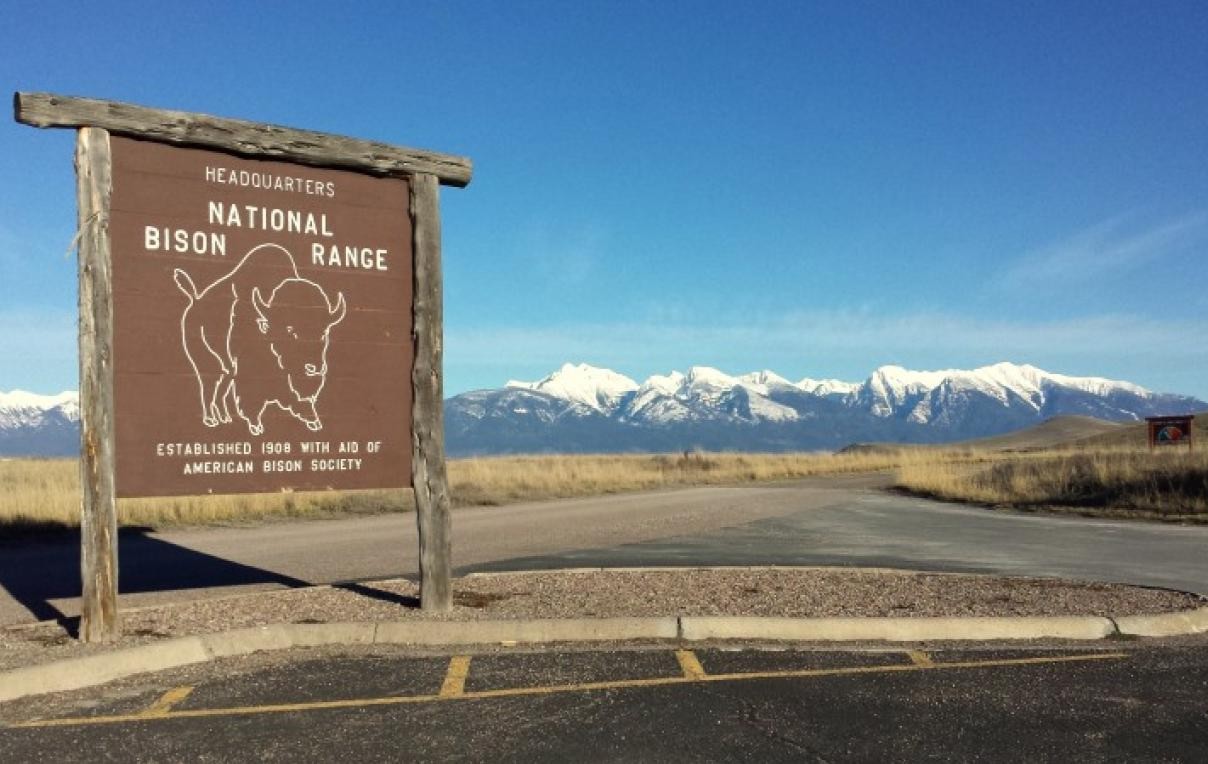
Have you ever wondered how experts keep track of bird populations in protected areas? At Montana's National Bison Range, bird monitoring is a crucial activity. This helps scientists understand bird behavior, migration patterns, and overall health. By using various methods like bird banding, audio recordings, and visual surveys, researchers gather valuable data. This information aids in conservation efforts, ensuring that bird species thrive in their natural habitats. Whether you're a bird enthusiast or just curious about wildlife, learning about these techniques can be fascinating. Let's dive into the world of bird monitoring and see how it all works.
Secrets of Bird Monitoring at Montana's National Bison Range
Montana's National Bison Range is a haven for bird enthusiasts. This protected area offers a unique opportunity to observe and monitor various bird species in their natural habitat. Let's explore some of the best spots within the range to witness these feathered wonders.
Wetlands: A Birdwatcher's Paradise
Wetlands within the National Bison Range are teeming with birdlife. These areas provide essential resources for many species, making them prime locations for bird monitoring.
Mission Creek: This creek attracts a variety of waterfowl, including ducks, geese, and herons. Early mornings are the best time to catch a glimpse of these birds as they feed and interact.
Pond 5: Known for its diverse bird population, Pond 5 is a hotspot for spotting American avocets, black-necked stilts, and other shorebirds. Bring binoculars for a closer look at these fascinating creatures.
Grasslands: Home to Ground Nesters
The grasslands of the National Bison Range are home to many ground-nesting birds. These open spaces provide excellent opportunities to observe species that prefer to stay close to the ground.
Prairie Loop: This loop offers a chance to see western meadowlarks, grasshopper sparrows, and long-billed curlews. Listen for their distinct calls as you walk through the tall grasses.
Buffalo Prairie: A favorite spot for birdwatchers, Buffalo Prairie is where you might find burrowing owls and horned larks. Keep an eye out for these elusive birds as they blend into their surroundings.
Forested Areas: A Canopy of Activity
Forested areas within the range provide shelter and nesting sites for many bird species. These habitats are perfect for observing birds that prefer the cover of trees.
Cottonwood Grove: This grove is a haven for woodpeckers, warblers, and vireos. The dense foliage offers plenty of hiding spots, so patience is key when birdwatching here.
Ponderosa Pine Ridge: Look for red-tailed hawks, great horned owls, and other raptors perched high in the trees. These birds of prey are often seen scanning the area for their next meal.
Riparian Zones: Life Along the Water
Riparian zones, where land meets water, are bustling with bird activity. These areas support a wide range of species, making them ideal for bird monitoring.
Jocko River: The riverbanks are frequented by kingfishers, ospreys, and bald eagles. Watch as these skilled hunters dive for fish and soar above the water.
Ninepipe Reservoir: This reservoir attracts a variety of waterbirds, including pelicans, cormorants, and grebes. It's a fantastic spot for observing birds in large numbers.
Seasonal Hotspots: Migratory Marvels
Certain areas within the National Bison Range become hotspots during migration seasons. These locations offer a chance to see birds that are just passing through.
Red Sleep Mountain Drive: During spring and fall migrations, this drive offers sightings of sandhill cranes, swans, and other migratory birds. The scenic views are an added bonus.
Mission Valley Overlook: This overlook provides a panoramic view of the valley, where you can spot flocks of migrating birds. Bring a spotting scope for the best experience.
Why Bird Monitoring Matters
Bird monitoring at Montana's National Bison Range is crucial for understanding and protecting bird populations. By keeping track of different species, scientists can spot trends and changes in bird behavior and numbers. This helps in making informed decisions about conservation efforts. It also provides valuable data on the health of the ecosystem.
Visitors to the Bison Range can enjoy the diverse birdlife while knowing their presence supports conservation. Bird monitoring isn't just for scientists; it involves the community and raises awareness about the importance of preserving natural habitats.
Next time you visit, take a moment to appreciate the birds and the work being done to protect them. Your visit contributes to a larger effort to maintain the balance of nature. Bird monitoring is a small but vital part of keeping our environment healthy for future generations.
