

Montana’s Hidden Chinese Mining History
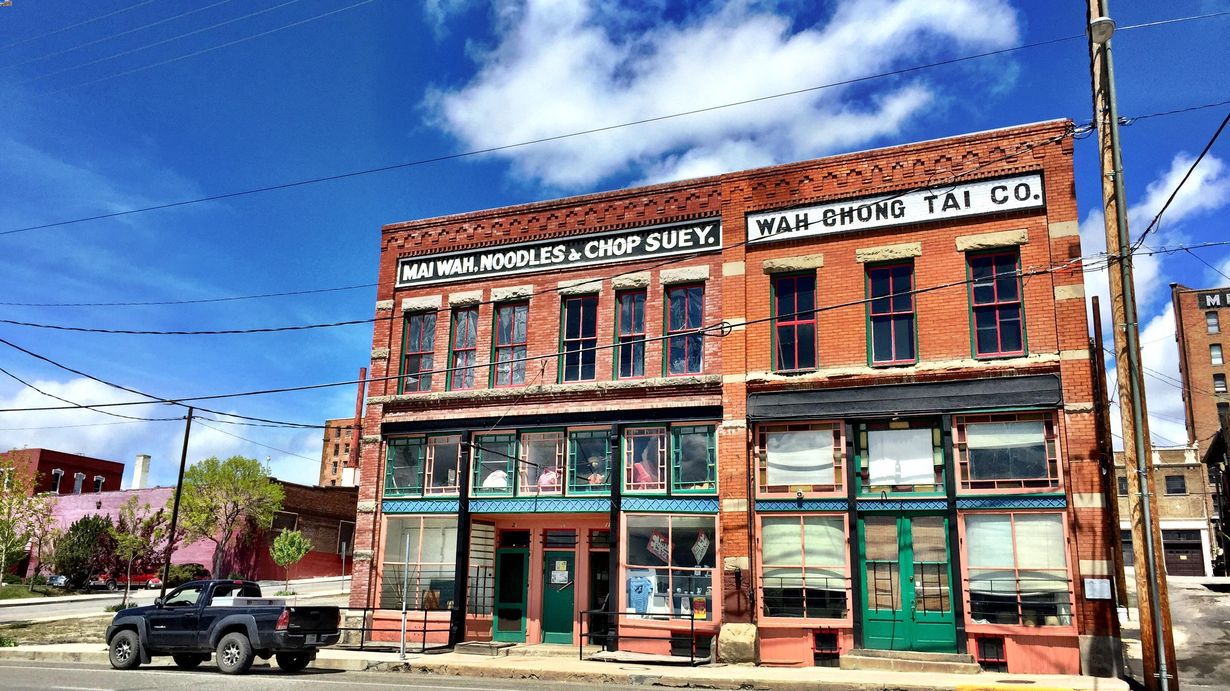
Did you know that Montana holds a secret history of Chinese miners? During the late 1800s, many Chinese immigrants came to Montana seeking fortune in the gold mines. They faced harsh conditions, discrimination, and hard labor, yet they contributed significantly to the mining industry. These miners not only worked tirelessly but also brought their rich culture, leaving a lasting impact on the state. Today, remnants of their presence can still be found in old mining towns and historical sites. Join us as we uncover the fascinating stories and hidden treasures of Montana's Chinese mining history.
Montana's Hidden Chinese Mining History
Montana, known for its stunning landscapes and rich history, holds a lesser-known chapter in its past: the contributions of Chinese miners. During the 19th century, many Chinese immigrants came to Montana seeking fortune and a better life. Their impact on the mining industry and local culture remains significant yet often overlooked. Let's uncover some key locations that highlight this hidden history.
Virginia City
Virginia City, once a booming gold rush town, saw a significant influx of Chinese miners. They played a crucial role in reworking abandoned claims and extracting gold from previously overlooked areas.
- Pioneer Cemetery: This cemetery includes a section dedicated to Chinese miners, reflecting their presence and contributions to the town's development.
- Joss House: A Chinese temple where miners worshipped and sought solace. It stands as a testament to their cultural and spiritual practices.
- Virginia City Chinese Quarter: This area housed many Chinese immigrants and businesses, providing a glimpse into their daily lives and community structure.
Helena
Helena, Montana's capital, also experienced a significant Chinese presence during the gold rush era. The city's history is intertwined with the stories of these hardworking immigrants.
- Reeder's Alley: This historic district includes buildings and artifacts from the time when Chinese miners lived and worked in Helena.
- Helena Chinese Cemetery: A resting place for many Chinese immigrants, this cemetery offers insights into their lives and the challenges they faced.
- Last Chance Gulch: Named after the gold strike that founded Helena, this area saw many Chinese miners contributing to its prosperity.
Butte
Butte, known for its rich mining history, had a vibrant Chinese community that played a vital role in the town's development.
- Mai Wah Museum: This museum preserves the history of Chinese immigrants in Butte, showcasing artifacts, photographs, and stories of their lives.
- Butte Chinatown: Once a bustling neighborhood, it included businesses, homes, and social clubs that served the Chinese community.
- Chinese Masonic Temple: A significant cultural and social hub for Chinese miners, reflecting their efforts to maintain their heritage while adapting to new surroundings.
Missoula
Missoula, another key location in Montana's mining history, also had a notable Chinese population contributing to its growth.
- Fort Missoula: Chinese laborers played a crucial role in constructing this fort, which now serves as a museum highlighting their contributions.
- Missoula Chinese Cemetery: This cemetery is a poignant reminder of the Chinese immigrants who lived and worked in the area.
- Higgins Avenue: Once home to several Chinese businesses, this street reflects the entrepreneurial spirit of the Chinese community in Missoula.
Bannack
Bannack, Montana's first territorial capital, saw its share of Chinese miners who left a lasting impact on the town.
- Bannack State Park: This park includes remnants of the Chinese presence, such as old mining sites and artifacts.
- Bannack Cemetery: The cemetery includes graves of Chinese miners, offering a glimpse into their lives and the hardships they endured.
- Meade Hotel: Once a bustling hotel, it hosted many Chinese miners and travelers, reflecting the town's diverse population.
Deer Lodge
Deer Lodge, another historic mining town, had a significant Chinese community that contributed to its development.
- Grant-Kohrs Ranch: Chinese laborers worked on this ranch, which now serves as a museum showcasing their contributions to Montana's agricultural history.
- Deer Lodge Chinese Cemetery: This cemetery honors the Chinese immigrants who lived and worked in the area, providing a glimpse into their lives and legacy.
- Main Street: Once lined with Chinese businesses, Main Street reflects the entrepreneurial spirit and resilience of the Chinese community in Deer Lodge.
Montana's Rich Cultural Tapestry
Montana's Chinese mining history offers a unique glimpse into the state's diverse past. The contributions of Chinese miners were significant, shaping the local economy and culture. Visiting sites like Virginia City and Bannack reveals stories of perseverance and community. These historical landmarks provide a deeper understanding of the challenges and triumphs faced by Chinese immigrants. Exploring these areas not only honors their legacy but also enriches our appreciation for Montana's cultural heritage. Whether you're a history buff or just curious, these hidden gems are worth the visit. They remind us that history is made up of many voices, each adding to the rich tapestry of our shared past. So next time you're in Montana, take a moment to explore these fascinating sites. You'll walk away with a greater appreciation for the state's diverse history.
