Hidden Indigenous Vision Sites Of Montana’s Little Bighorn
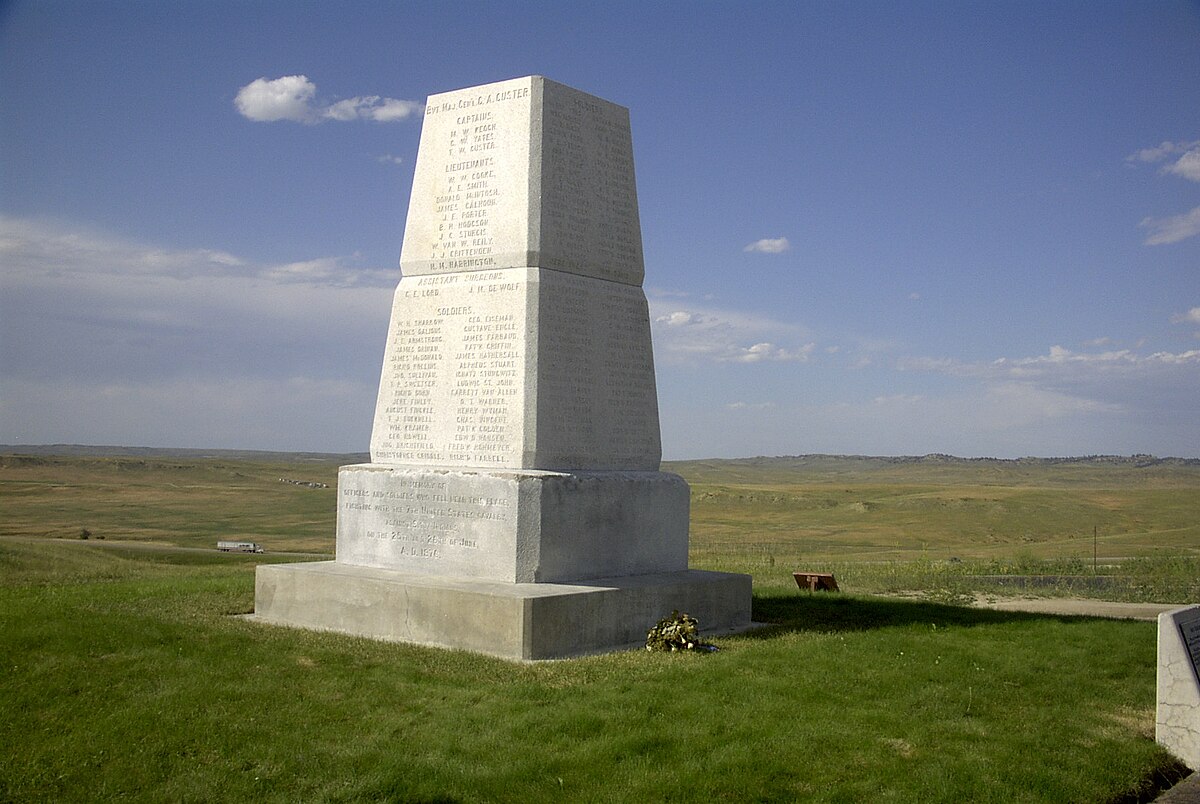
Have you ever wondered about the hidden stories of Montana's Little Bighorn? This area is famous for the historic battle, but it holds much more. Hidden Indigenous vision sites dot the landscape, offering a glimpse into the spiritual lives of Native American tribes. These sacred spots were places where individuals sought guidance, wisdom, and visions. Visiting these sites provides a deeper understanding of the cultural and spiritual significance they hold. Imagine standing where ancient rituals took place, feeling the connection to a time long past. Ready to uncover the secrets of these mystical locations? Let's dive into the rich history and cultural heritage of Little Bighorn.
Hidden Indigenous Vision Sites of Montana's Little Bighorn
Montana's Little Bighorn region holds a rich tapestry of history and culture, especially for the Indigenous tribes who have called this land home for centuries. Among the most sacred and fascinating aspects of this area are the vision sites, where Indigenous people have sought spiritual guidance and connection with the natural world. These hidden gems offer a glimpse into the spiritual practices and deep-rooted traditions of the Native American tribes.
Sacred Vision Sites to Explore
1. Medicine Wheel
The Medicine Wheel, located in the Bighorn National Forest, is a powerful symbol of Native American spirituality. This ancient stone structure, arranged in a circular pattern, has been used for centuries as a place of prayer and meditation. The wheel's spokes align with the solstices and other celestial events, making it a significant site for spiritual ceremonies.
2. Deer Medicine Rocks
Deer Medicine Rocks, found near the Little Bighorn Battlefield, is a sacred site adorned with petroglyphs. These ancient carvings depict various symbols and figures, believed to be messages from the spirit world. The site is named after a vision experienced by Sitting Bull, a renowned Lakota leader, who saw a vision of victory here before the Battle of Little Bighorn.
3. Bear Butte
Bear Butte, located in South Dakota but closely tied to the tribes of Montana, is a prominent geological feature and a sacred site for many Plains tribes. Native Americans have long used Bear Butte for vision quests, seeking spiritual guidance and personal transformation. The butte's unique shape and isolated location make it an ideal place for solitude and reflection.
4. Crow Agency Vision Quest Sites
The Crow Agency area, home to the Crow Nation, contains several lesser-known vision quest sites. These locations, often marked by stone circles or cairns, are used by individuals seeking spiritual insight and connection with their ancestors. The Crow people believe that these sites hold powerful energies that can guide and heal those who visit.
5. Pryor Mountains
The Pryor Mountains, a rugged and remote range in southern Montana, are sacred to the Crow and other tribes. The mountains are dotted with vision quest sites, where individuals go to fast and pray in search of spiritual visions. The area's natural beauty and isolation provide a perfect setting for deep spiritual experiences.
6. Wolf Mountains
The Wolf Mountains, located near the Little Bighorn Battlefield, are another significant site for vision quests. These mountains are considered a place of power and mystery, where the spirits of ancestors are believed to dwell. Vision seekers come here to connect with these spirits and gain insight into their lives and futures.
7. Bighorn Canyon
Bighorn Canyon, with its dramatic cliffs and serene waters, is a place of spiritual significance for many tribes. The canyon's remote and rugged terrain makes it an ideal location for vision quests and other spiritual practices. The natural beauty of the area enhances the sense of connection with the spiritual world.
8. Rosebud Battlefield
Rosebud Battlefield, the site of a major battle between the Lakota and the U.S. Army, is also a place of spiritual importance. The battlefield is believed to be imbued with the spirits of those who fought and died there. Vision seekers visit this site to honor their ancestors and seek guidance from the spirit world.
9. Crazy Mountains
The Crazy Mountains, known as "Awaxaawippíia" to the Crow people, are a sacred range in central Montana. These mountains are used for vision quests and other spiritual practices, with individuals seeking solitude and connection with the natural world. The rugged terrain and breathtaking views make the Crazy Mountains a powerful place for spiritual experiences.
10. Yellowstone River
The Yellowstone River, flowing through Montana, is a vital waterway for many tribes. Along its banks, numerous vision quest sites can be found, where individuals seek spiritual guidance and connection with the river's powerful energy. The river's constant flow symbolizes the continuity of life and the ever-present spirit of the natural world.
Preserving Montana's Cultural Heritage
Montana's Little Bighorn region holds a treasure of Indigenous vision sites. These places offer a glimpse into the spiritual practices of Native American tribes. Visiting these sites isn't just about seeing historical landmarks. It's about respecting and understanding the deep cultural significance they hold.
When exploring, always follow guidelines to protect these sacred areas. Engage with local tribes to learn more about their history and traditions. This not only enriches your experience but also supports the preservation of their heritage.
Montana's landscape is more than just beautiful scenery. It's a living testament to the rich history and culture of its Indigenous peoples. By visiting respectfully, you contribute to the ongoing story of these sacred sites. So, next time you're in Montana, take the time to connect with its past and honor the traditions that continue to shape its present.