Hidden Indigenous Signal Sites In Montana’s Powder River
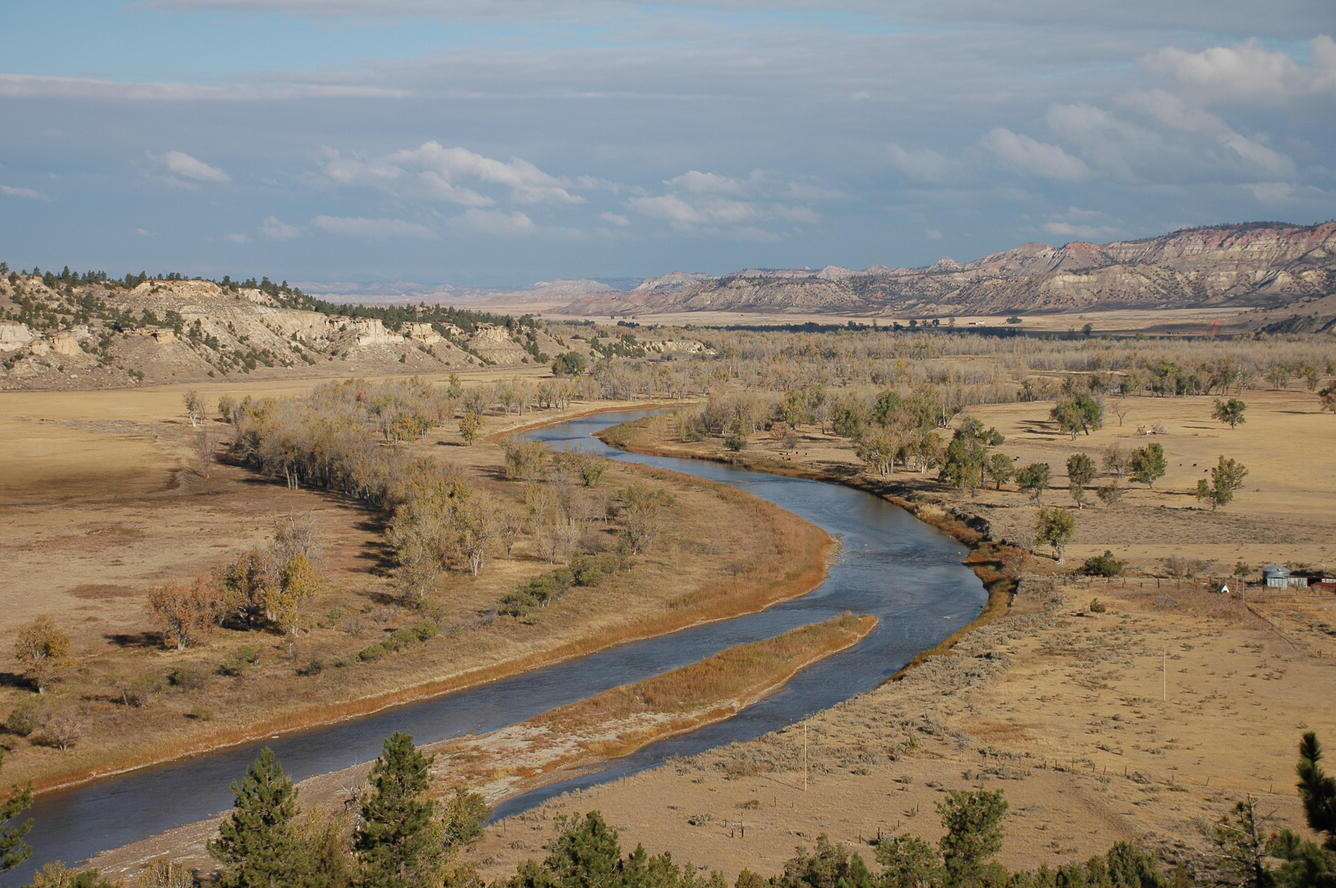
Have you ever wondered about the hidden stories of Montana's Powder River? This area isn't just about stunning landscapes; it's also rich with history. One fascinating aspect is the Indigenous signal sites scattered throughout the region. These sites were used by Native American tribes to communicate across vast distances. Imagine standing on a hill, knowing that centuries ago, someone used that very spot to send smoke signals or light fires to share important messages. Exploring these sites offers a unique glimpse into the past, connecting us to the traditions and ingenuity of the Indigenous peoples who once thrived here.
Hidden Indigenous Signal Sites in Montana's Powder River
Montana's Powder River region holds secrets of ancient communication. Indigenous tribes used signal sites to send messages across vast distances. These hidden gems offer a glimpse into the past, showcasing the ingenuity and resourcefulness of Native American cultures. Let's uncover some of these fascinating locations.
1. Signal Butte
Signal Butte stands tall in the Powder River landscape. This site served as a crucial communication point for tribes. From its summit, smoke signals could be seen for miles. The panoramic view allowed for quick and effective messaging.
2. Medicine Rocks
Medicine Rocks, with its unique sandstone formations, provided an ideal spot for signaling. The rocks' natural shapes made it easy to create visible smoke signals. Tribes also believed the area held spiritual significance, adding another layer of importance.
3. Crow Agency Hill
Crow Agency Hill, near the modern-day Crow Agency, was a strategic signal site. The hill's elevation offered a clear line of sight to other signal points. This location played a key role in coordinating movements and warnings among the Crow people.
4. Wolf Mountain
Wolf Mountain's rugged terrain didn't deter its use as a signal site. The mountain's height made it perfect for sending smoke signals. Tribes used this site to communicate hunting successes or impending dangers.
5. Signal Peak
Signal Peak, aptly named, was a prominent communication hub. Its high elevation provided an unobstructed view of the surrounding area. Tribes relied on this site to relay messages quickly and efficiently.
6. Bear Butte
Bear Butte, a sacred site for many tribes, also served as a signal point. The butte's prominence in the landscape made it an excellent choice for sending smoke signals. Its spiritual significance added to its importance in tribal communication.
7. Eagle Nest Butte
Eagle Nest Butte offered a strategic vantage point for signaling. The butte's height allowed for long-distance communication. Tribes used this site to coordinate activities and share important news.
8. Crazy Woman Mountain
Crazy Woman Mountain, with its steep slopes, was another key signal site. The mountain's elevation made it ideal for sending smoke signals. Tribes used this location to warn of approaching threats or to call for gatherings.
9. Signal Hill
Signal Hill, located near the Powder River, was a vital communication point. The hill's height provided a clear view of the surrounding area. Tribes used this site to send messages across the vast landscape.
10. Red Lodge Mountain
Red Lodge Mountain, known for its striking red rock formations, also served as a signal site. The mountain's elevation made it perfect for sending smoke signals. Tribes relied on this location to communicate important information.
11. Signal Rock
Signal Rock, a prominent feature in the Powder River region, was used for communication. The rock's height and visibility made it an ideal spot for sending smoke signals. Tribes used this site to relay messages quickly and effectively.
12. Signal Point
Signal Point, with its commanding view of the surrounding area, was a key signal site. The point's elevation allowed for long-distance communication. Tribes used this location to coordinate activities and share important news.
13. Signal Ridge
Signal Ridge, a natural high point in the landscape, served as a crucial communication hub. The ridge's height provided an unobstructed view, making it perfect for sending smoke signals. Tribes relied on this site to relay messages efficiently.
14. Signal Bluff
Signal Bluff, overlooking the Powder River, was a strategic signal site. The bluff's elevation made it ideal for long-distance communication. Tribes used this location to warn of dangers or to call for gatherings.
15. Signal Mesa
Signal Mesa, with its flat top and high elevation, was a prominent signal site. The mesa's height allowed for clear visibility, making it perfect for sending smoke signals. Tribes used this location to share important news and coordinate activities.
Discovering Montana's Hidden History
Exploring Montana's hidden Indigenous signal sites in Powder River offers a unique glimpse into the past. These sites, rich in history, reveal how Indigenous people communicated across vast distances. Visiting these locations not only provides a deeper understanding of their culture but also highlights the ingenuity and resourcefulness of these communities.
When planning your trip, remember to respect the land and its history. Take time to learn about the significance of each site and the stories they hold. This journey through Montana's hidden gems will leave you with a greater appreciation for the state's rich cultural heritage.
Whether you're a history buff or just looking for a unique adventure, these signal sites offer an unforgettable experience. So pack your bags, grab a map, and get ready to uncover the secrets of Montana's past.