

Secrets Of Missouri’s Underground Cave Earthquake Monitoring
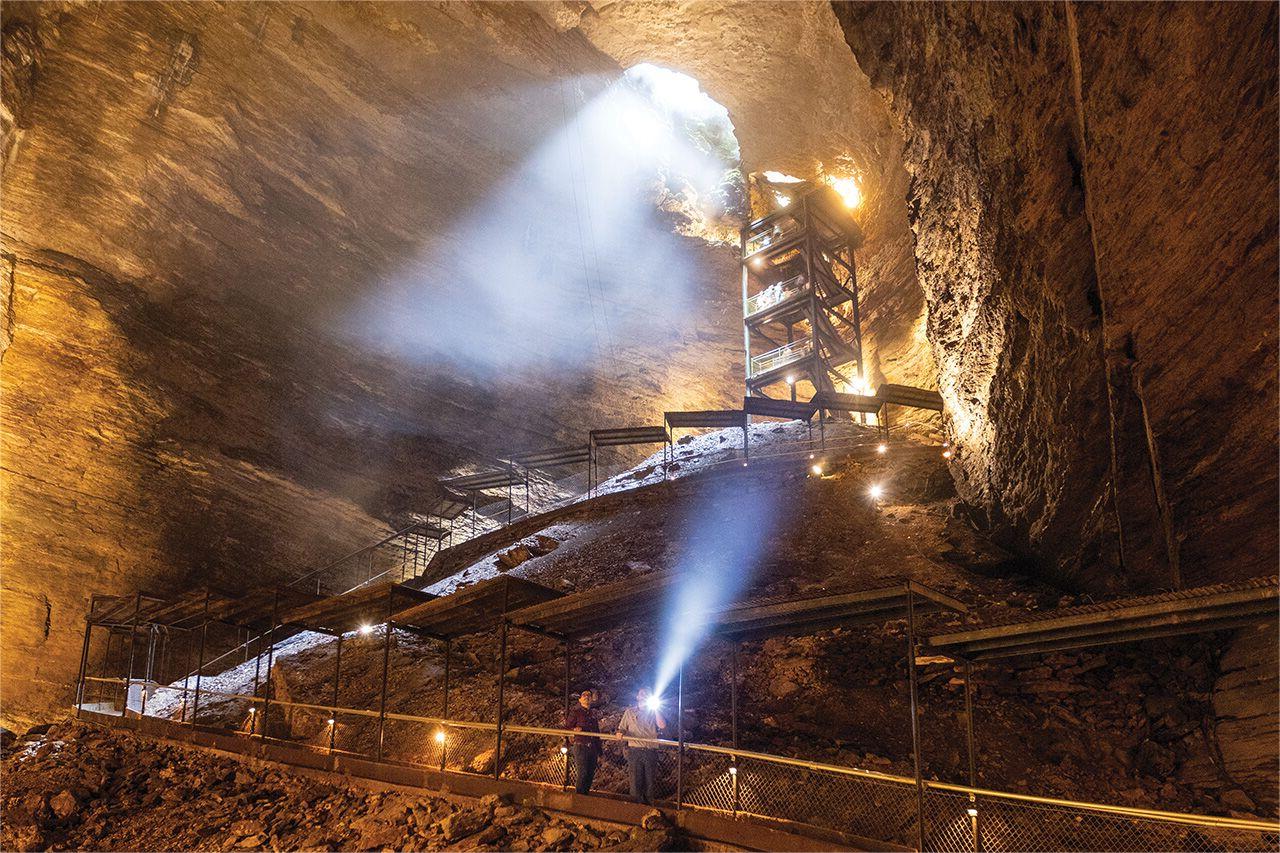
Have you ever wondered how scientists keep track of earthquakes? In Missouri, they use underground caves to monitor seismic activity. These caves provide a stable environment, free from surface noise and weather conditions. This helps scientists get accurate readings. Missouri's unique geology makes it an ideal spot for this kind of research. The state sits near the New Madrid Seismic Zone, one of the most active earthquake areas in the United States. By placing sensors in these caves, researchers can better understand and predict earthquakes. This helps keep people safe and informed about potential risks.
Missouri's Hidden World: Underground Caves
Missouri, known as the "Cave State," boasts over 6,000 caves. These natural wonders are not just for exploration; they play a crucial role in monitoring earthquakes. Let's dive into some of the most fascinating underground caves in Missouri that help keep track of seismic activity.
1. Meramec Caverns
Meramec Caverns, located in Stanton, is one of Missouri's most famous caves. This extensive system of limestone caves has been a tourist attraction for decades. But did you know it also houses earthquake monitoring equipment? The stable environment deep within the cave provides an ideal location for sensitive instruments that detect even the slightest tremors.
2. Onondaga Cave
Onondaga Cave, situated in Leasburg, is another gem in Missouri's cave network. This cave is part of Onondaga Cave State Park and is renowned for its stunning formations. Hidden from the public eye, seismic sensors are placed within the cave to monitor underground movements. The cave's consistent temperature and humidity levels make it perfect for such delicate equipment.
3. Fantastic Caverns
Fantastic Caverns in Springfield offers a unique experience as America's only ride-through cave. Beyond its tourist appeal, this cave also contributes to earthquake monitoring. The cave's remote and undisturbed sections provide a quiet environment for seismic instruments, ensuring accurate readings of any earth movements.
4. Mark Twain Cave
Named after the famous author, Mark Twain Cave in Hannibal is steeped in history. It's also a key player in Missouri's earthquake monitoring efforts. The cave's deep chambers house equipment that tracks seismic activity, helping scientists understand and predict earthquakes better.
5. Bridal Cave
Bridal Cave, located near Camdenton, is famous for its beautiful formations and wedding ceremonies. However, it also plays a vital role in seismic monitoring. The cave's stable environment allows for the precise detection of earth tremors, contributing valuable data to earthquake research.
6. Cathedral Cave
Cathedral Cave, part of the Ozark National Scenic Riverways, is another important site for earthquake monitoring. This cave's remote location and stable conditions make it an ideal spot for placing seismic sensors. The data collected here helps scientists keep a close watch on seismic activity in the region.
7. Smallin Civil War Cave
Smallin Civil War Cave in Ozark has a rich history dating back to the Civil War. Today, it serves a dual purpose: attracting history buffs and aiding in earthquake monitoring. The cave's secluded sections house sensitive equipment that tracks underground movements, providing crucial data for earthquake studies.
8. Bluff Dwellers Cave
Bluff Dwellers Cave in Noel is not just a tourist attraction; it's also a key site for seismic monitoring. The cave's undisturbed environment ensures that the sensitive equipment placed here can accurately detect even minor tremors, contributing to a better understanding of seismic activity in Missouri.
9. Talking Rocks Cavern
Talking Rocks Cavern in Branson West is known for its stunning formations and guided tours. Beyond its beauty, this cave also plays a role in monitoring earthquakes. The cave's stable conditions make it an ideal location for placing seismic sensors, helping scientists track and study earth movements.
10. Fisher Cave
Fisher Cave, located in Meramec State Park, is another important site for earthquake monitoring. The cave's deep and stable environment provides a perfect setting for sensitive seismic equipment. The data collected here is crucial for understanding and predicting seismic activity in the region.
The Importance of Missouri's Cave Monitoring
Missouri's underground cave earthquake monitoring plays a crucial role in understanding seismic activity. These caves provide a unique environment for placing sensitive equipment, away from surface noise. This helps scientists gather accurate data on earthquakes, which can lead to better predictions and preparedness.
Monitoring these caves also helps protect the natural formations within them. By understanding how seismic activity affects the caves, conservation efforts can be more effective. This ensures that these natural wonders remain intact for future generations to explore and enjoy.
The collaboration between scientists, local authorities, and conservationists highlights the importance of preserving both natural and human-made structures. It shows how working together can lead to advancements in science and safety. Missouri's caves are not just geological marvels; they are key to a safer, more informed future.
