Missouri’s Hidden Cave Research Projects
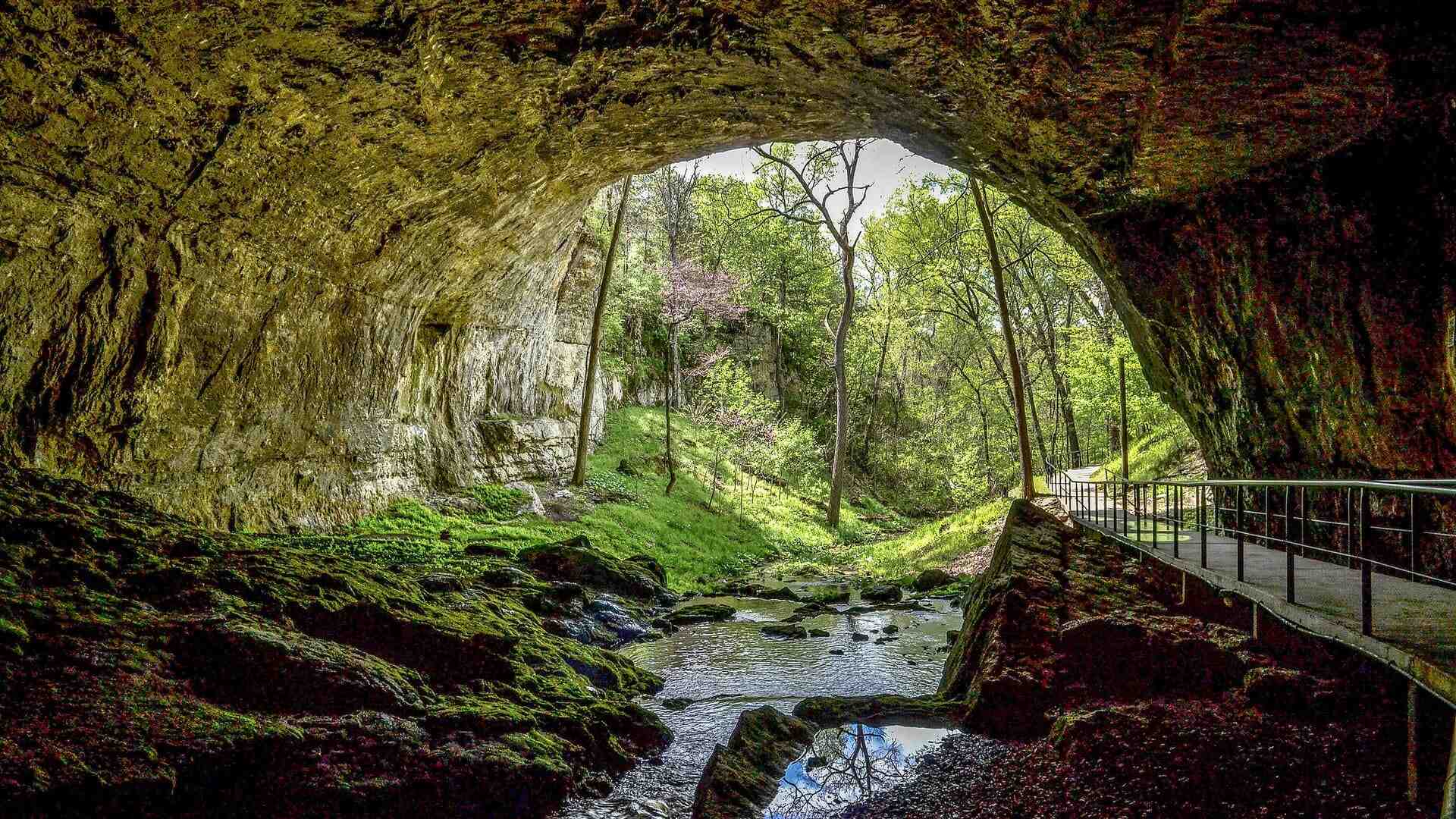
Have you ever wondered what lies beneath Missouri's rolling hills? The state is home to some of the most intriguing cave research projects in the country. Scientists and explorers are constantly uncovering new secrets in these underground wonders. From ancient fossils to unique ecosystems, Missouri's caves offer a treasure trove of discoveries. These projects not only help us understand the past but also protect these natural wonders for future generations. Whether you're a science enthusiast or just curious about the natural world, learning about these cave research projects can be both exciting and educational. Dive into the mysteries of Missouri's underground and see what makes these caves so special.
Missouri's Hidden Cave Research Projects
Missouri, often called the "Cave State," boasts over 7,500 caves. These underground wonders are not just for adventurous explorers; they are also sites for fascinating research projects. Scientists and researchers delve into these caves to uncover secrets about geology, biology, and even climate history. Let's take a look at some of the most intriguing cave research projects in Missouri.
1. Meramec Caverns: A Geological Wonderland
Meramec Caverns, one of Missouri's most famous caves, is a hotspot for geological research. Scientists study the cave's unique formations, such as stalactites and stalagmites, to understand the region's geological history. The cave's extensive network provides a perfect laboratory for studying sediment layers and mineral deposits.
2. Onondaga Cave: A Biological Treasure Trove
Onondaga Cave is not just a beautiful tourist destination; it's also a hub for biological research. Researchers investigate the cave's unique ecosystem, home to rare species of bats, salamanders, and invertebrates. These studies help scientists understand how life adapts to extreme environments and contributes to conservation efforts.
3. Mark Twain Cave: Historical Insights
Mark Twain Cave, named after the famous author, offers more than literary connections. Archaeologists and historians explore the cave to uncover artifacts and evidence of early human activity. These findings provide valuable insights into the lives of Native American tribes and early settlers in the region.
4. Fantastic Caverns: Climate Clues
Fantastic Caverns, known for its ride-through tours, is also a site for climate research. Scientists analyze the cave's formations and sediment layers to reconstruct past climate conditions. This research helps predict future climate trends and understand long-term environmental changes.
5. Cathedral Cave: Hydrological Studies
Cathedral Cave, located in the Ozark National Scenic Riverways, is a prime location for hydrological research. Researchers study the cave's underground rivers and water flow patterns to understand groundwater systems. This information is crucial for managing water resources and protecting aquatic habitats.
6. Smallin Civil War Cave: Historical and Geological Research
Smallin Civil War Cave offers a unique blend of historical and geological research opportunities. The cave was used during the Civil War, and researchers study artifacts left behind by soldiers. Additionally, geologists examine the cave's formations to learn about the region's geological history.
7. Bluff Dwellers Cave: Archaeological Discoveries
Bluff Dwellers Cave is a treasure trove for archaeologists. The cave contains evidence of ancient human habitation, including tools, pottery, and other artifacts. These discoveries provide a glimpse into the lives of the cave's early inhabitants and their interactions with the environment.
8. Talking Rocks Cavern: Speleological Studies
Talking Rocks Cavern is a site for speleological research, focusing on the study of caves and their formations. Scientists examine the cave's intricate formations to understand the processes that create and shape caves. This research contributes to the broader field of geology and helps protect these natural wonders.
9. Bridal Cave: Cultural and Geological Research
Bridal Cave, known for its stunning formations and wedding ceremonies, is also a site for cultural and geological research. Researchers study the cave's formations to learn about the region's geological history. Additionally, the cave's cultural significance provides insights into local traditions and folklore.
10. Fisher Cave: Paleontological Research
Fisher Cave, located in Meramec State Park, is a hotspot for paleontological research. Scientists study fossils found in the cave to learn about ancient life forms and their environments. This research helps reconstruct the region's prehistoric ecosystems and understand how they have changed over time.
Missouri's Cave Research: A Treasure Trove of Knowledge
Missouri's hidden caves offer more than just stunning views. They are key to understanding our planet's history, climate changes, and unique ecosystems. Researchers work tirelessly to uncover secrets buried deep within these natural wonders. Their findings help us appreciate the delicate balance of nature and the importance of preserving these sites.
Exploring these caves isn't just for scientists. Visitors can also experience the beauty and mystery of Missouri's underground world. Guided tours provide a safe way to see these natural wonders up close.
Whether you're a curious traveler or a dedicated researcher, Missouri's caves have something to offer. They remind us of the incredible world beneath our feet and the endless discoveries waiting to be made. So next time you're in Missouri, don't miss the chance to explore these hidden gems.