

The Mystery Of Minnesota’s Vanishing Prairie Wetlands
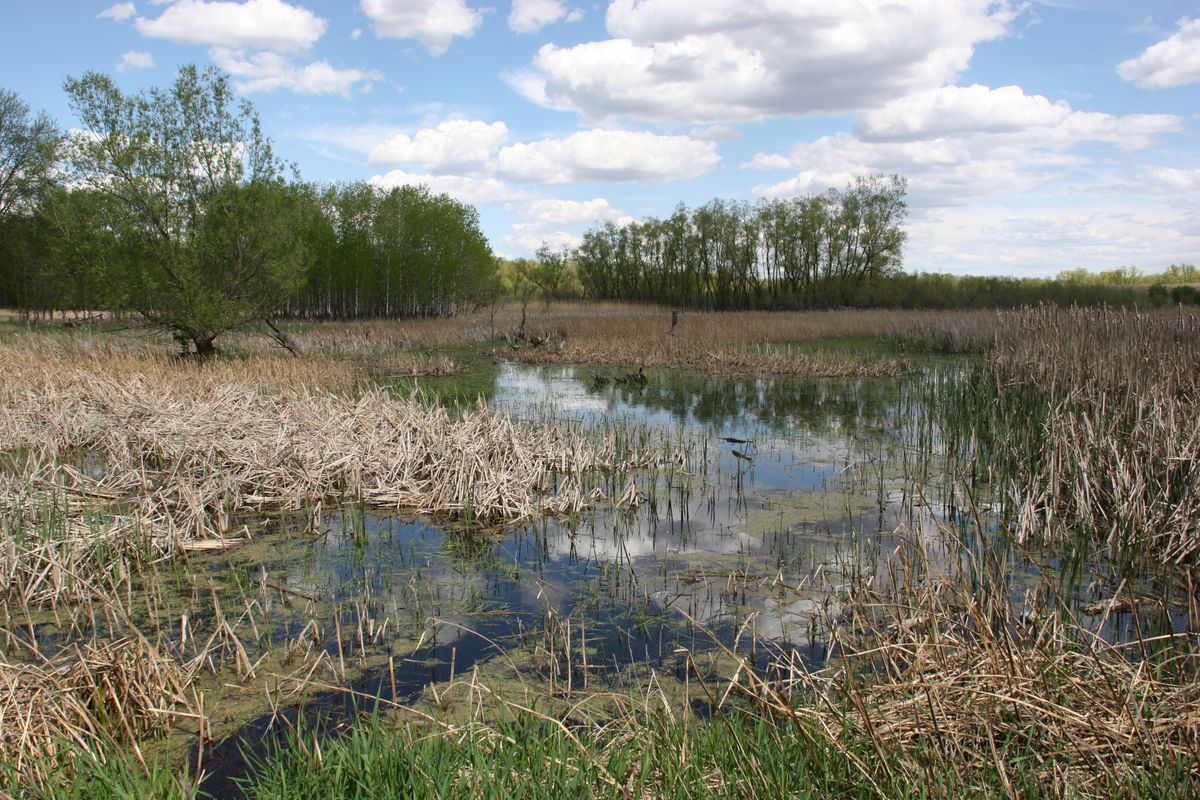
Have you ever wondered why Minnesota's prairie wetlands are disappearing? These unique ecosystems, once teeming with life, are now facing significant threats. From agricultural expansion to urban development, many factors contribute to their decline. Wetlands play a crucial role in maintaining biodiversity, providing habitat for countless species, and acting as natural water filters. Yet, despite their importance, they are vanishing at an alarming rate. Understanding the reasons behind this loss can help us take steps to protect and restore these vital landscapes. Let's dive into the factors causing the decline of Minnesota's prairie wetlands and explore possible solutions.
The Importance of Prairie Wetlands
Prairie wetlands in Minnesota are crucial for biodiversity, water purification, and flood control. These unique ecosystems support a variety of plant and animal species. Unfortunately, many of these wetlands are disappearing due to human activities.
Causes of Wetland Disappearance
Understanding why these wetlands are vanishing helps in finding solutions. Several factors contribute to their decline.
Agricultural Expansion
- Farmers often drain wetlands to create more arable land. This practice reduces wetland areas significantly.
Urban Development
- Cities and towns expand, encroaching on wetland habitats. Construction and infrastructure projects lead to habitat loss.
Climate Change
- Altered weather patterns affect water levels in wetlands. Droughts and floods can both be detrimental.
Pollution
- Runoff from agriculture and industry introduces harmful substances into wetlands. Pollution disrupts the delicate balance of these ecosystems.
Consequences of Wetland Loss
The disappearance of prairie wetlands has far-reaching impacts. These consequences affect both the environment and human communities.
Loss of Biodiversity
- Wetlands are home to many species. Their loss means fewer habitats for plants and animals.
Increased Flooding
- Wetlands act as natural sponges, absorbing excess water. Without them, flood risks rise.
Water Quality Decline
- Wetlands filter pollutants from water. Their loss leads to poorer water quality in rivers and lakes.
Economic Impact
- Wetlands support activities like fishing and tourism. Their disappearance affects local economies.
Efforts to Preserve Prairie Wetlands
Despite the challenges, various initiatives aim to protect and restore these vital ecosystems. These efforts involve government agencies, non-profits, and local communities.
Conservation Programs
- Programs like the Wetland Reserve Program encourage landowners to restore wetlands. Financial incentives make conservation more appealing.
Restoration Projects
- Organizations work to restore degraded wetlands. These projects often involve replanting native vegetation and reintroducing water.
Public Awareness Campaigns
- Educating the public about the importance of wetlands can lead to better protection efforts. Awareness campaigns highlight the benefits of wetlands.
Legislation
- Laws and regulations protect wetlands from further destruction. Stronger enforcement ensures these laws are effective.
How You Can Help
Individuals can also play a role in preserving prairie wetlands. Simple actions can make a big difference.
Support Conservation Groups
- Donations and volunteer work help organizations dedicated to wetland preservation.
Reduce Pollution
- Proper disposal of chemicals and reducing runoff from lawns can protect wetlands.
Advocate for Wetlands
- Speak up for wetland protection in your community. Support policies that safeguard these ecosystems.
Participate in Local Cleanups
- Join or organize cleanups in wetland areas. Removing trash and invasive species helps maintain healthy wetlands.
The Future of Minnesota's Prairie Wetlands
Minnesota's prairie wetlands face significant challenges. Urban development, agriculture, and climate change threaten these vital ecosystems. Protecting these wetlands is crucial for maintaining biodiversity, supporting wildlife, and preserving water quality. Conservation efforts, such as restoring native vegetation and implementing sustainable farming practices, can help. Community involvement and education also play a key role in raising awareness and fostering a sense of stewardship. By working together, we can ensure these wetlands remain a part of Minnesota's natural heritage for future generations. Supporting local conservation groups and advocating for stronger environmental policies can make a big difference. Every small action contributes to the larger goal of preserving these unique landscapes. Let's commit to protecting Minnesota's prairie wetlands and the countless species that depend on them.
