

Secrets Of Wild Rice Harvesting At Minnesota’s Leech Lake Reservation
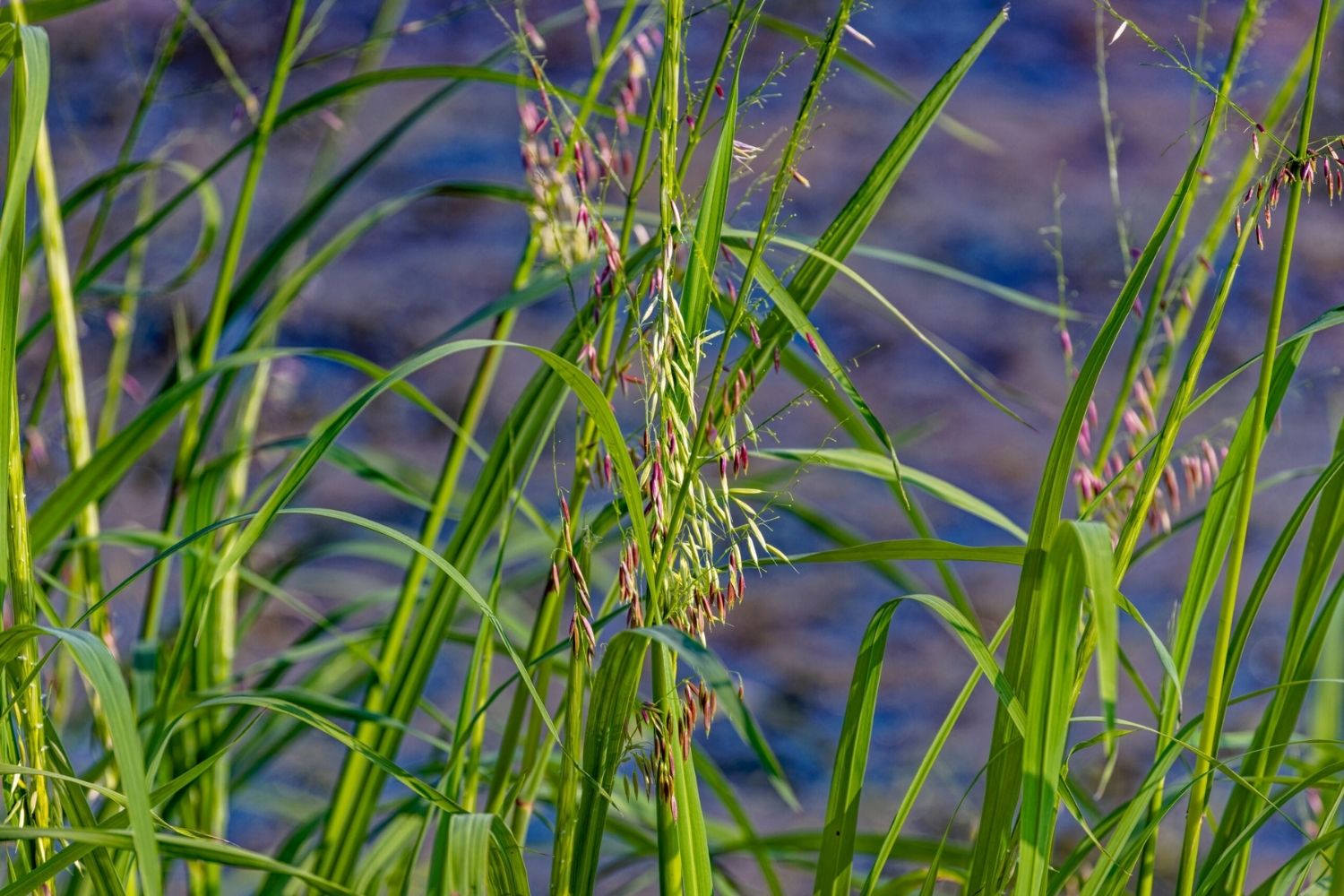
Have you ever wondered how wild rice is harvested at Minnesota's Leech Lake Reservation? This unique process combines tradition, skill, and respect for nature. Each year, the Ojibwe people gather this nutritious grain using methods passed down through generations. Paddling through the calm waters of Leech Lake, they gently knock the rice into their canoes. This careful technique ensures the plants remain healthy for future harvests. The experience is not just about gathering food; it's a celebration of culture and community. Join us as we explore the fascinating world of wild rice harvesting at Leech Lake Reservation.
The Mystique of Wild Rice Harvesting
Wild rice, or "manoomin" in Ojibwe, holds a special place in the hearts of the Anishinaabe people. This sacred grain is more than just food; it’s a symbol of culture, tradition, and community. Harvesting wild rice at Minnesota's Leech Lake Reservation is an experience steeped in history and natural beauty.
The Best Time to Harvest
Timing is everything when it comes to wild rice harvesting. The season usually begins in late August and can last until mid-September. During this period, the rice is at its peak, ready to be gathered by skilled hands.
- Leech Lake Reservation: This is the heart of wild rice harvesting. The reservation offers a unique opportunity to witness and participate in traditional harvesting methods. The community comes together, making it a social event as much as a labor of love.
Traditional Harvesting Techniques
The methods used to harvest wild rice have been passed down through generations. These techniques are not only effective but also sustainable, ensuring that wild rice will continue to thrive for years to come.
Canoe Harvesting: Harvesters use canoes to navigate the shallow waters where wild rice grows. One person paddles while the other uses wooden sticks, known as "knockers," to gently tap the rice into the canoe. This method minimizes damage to the plants, allowing them to regrow.
Drying and Parching: After harvesting, the rice is spread out to dry in the sun. Once dried, it’s parched over an open fire to remove the hulls. This process not only preserves the rice but also imparts a unique, smoky flavor.
The Cultural Significance
Wild rice harvesting is more than just a practical activity; it’s a cultural event that brings the community together. It’s a time for storytelling, singing, and celebrating the connection between people and nature.
Community Gatherings: During the harvest season, the Leech Lake Reservation hosts various community events. These gatherings include traditional music, dance, and feasts featuring wild rice dishes. It’s a time for everyone to come together and celebrate their heritage.
Educational Workshops: The reservation also offers workshops to educate both locals and visitors about the importance of wild rice. These sessions cover everything from the history of wild rice to hands-on harvesting techniques.
The Environmental Impact
Sustainability is a key aspect of wild rice harvesting. The traditional methods used by the Anishinaabe people ensure that the rice beds remain healthy and productive.
Eco-Friendly Practices: The use of non-motorized canoes and wooden knockers minimizes environmental impact. These practices help maintain the delicate balance of the ecosystem, ensuring that wild rice can continue to grow naturally.
Conservation Efforts: The Leech Lake Reservation is actively involved in conservation efforts to protect wild rice habitats. These initiatives include monitoring water quality, controlling invasive species, and promoting sustainable harvesting practices.
Experiencing the Harvest Firsthand
For those interested in experiencing wild rice harvesting firsthand, the Leech Lake Reservation offers various opportunities to get involved. Whether you’re a seasoned harvester or a curious newcomer, there’s something for everyone.
Guided Tours: The reservation offers guided tours that take you through the entire harvesting process. These tours provide a hands-on experience, allowing you to paddle a canoe, use the knockers, and even taste freshly harvested wild rice.
Volunteer Programs: For those looking to immerse themselves fully, volunteer programs are available. Volunteers can assist with various tasks, from harvesting and drying to participating in community events.
Cultural Festivals: Attending a cultural festival during the harvest season is a must. These festivals showcase the rich traditions of the Anishinaabe people, featuring music, dance, and, of course, plenty of wild rice dishes.
Embracing Tradition and Nature
Wild rice harvesting at Minnesota's Leech Lake Reservation offers a unique blend of culture and nature. This practice, passed down through generations, connects people to their heritage while respecting the environment. The process is labor-intensive but rewarding, involving careful techniques to ensure sustainability.
Visitors can witness this tradition firsthand, gaining insight into the Anishinaabe way of life. The experience is not just about the rice; it's about understanding the deep relationship between the community and their land. Participating in or observing the harvest provides a meaningful connection to both history and the natural world.
Whether you're a history buff, nature lover, or just curious, exploring wild rice harvesting at Leech Lake is a memorable experience. It’s a chance to learn, appreciate, and support a tradition that has thrived for centuries.
