

Secrets Of Minnesota’s Timber Boom Towns
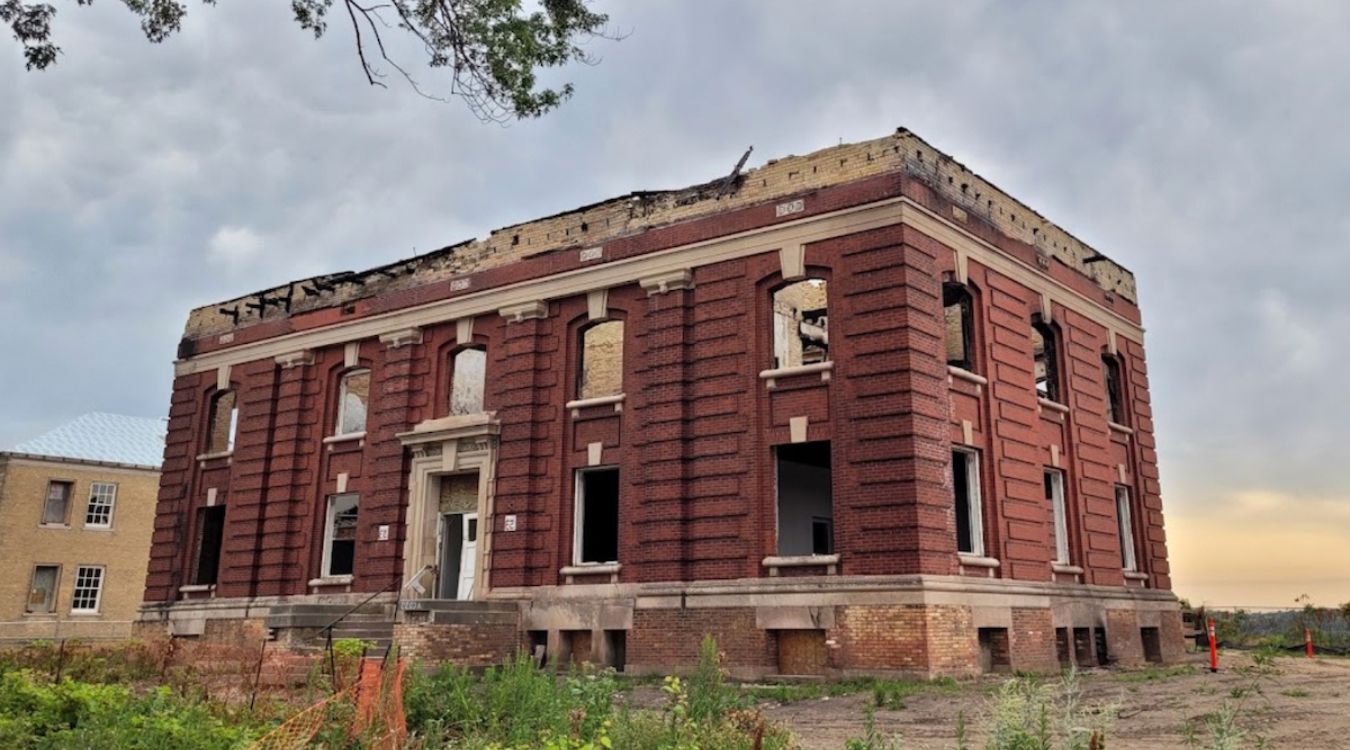
Have you ever wondered about the hidden history of Minnesota's timber boom towns? These once-thriving communities played a crucial role in shaping the state's economy and culture. During the late 19th and early 20th centuries, Minnesota's vast forests attracted loggers and entrepreneurs eager to capitalize on the abundant natural resources. Towns like Brainerd, Bemidji, and Cloquet sprang up almost overnight, bustling with activity and promise. Today, many of these towns have transformed, but their rich history remains. Join us as we explore the fascinating stories, landmarks, and legacies left behind by Minnesota's timber boom era.
Discovering Minnesota's Timber Boom Towns
Minnesota's rich history is deeply intertwined with its timber industry. During the late 19th and early 20th centuries, many towns flourished thanks to the booming lumber trade. These towns, once bustling with activity, now offer a glimpse into the past. Let's explore some of these fascinating places.
1. Brainerd
Brainerd, located in central Minnesota, was a major hub for the timber industry. The town's proximity to the Mississippi River made it an ideal location for transporting logs. Today, visitors can explore historic sites and enjoy outdoor activities.
Highlights:
- Paul Bunyan Land: A fun amusement park with a giant talking Paul Bunyan statue.
- Crow Wing State Park: Offers hiking trails and historical exhibits about the area's logging history.
2. Bemidji
Bemidji, often referred to as the first city on the Mississippi, played a significant role in the timber boom. The town's logging history is celebrated with statues and museums.
Highlights:
- Paul Bunyan and Babe the Blue Ox Statues: Iconic landmarks that pay homage to the town's logging heritage.
- Headwaters Science Center: Features exhibits on natural history and the timber industry.
3. Grand Rapids
Grand Rapids was another key player in Minnesota's timber industry. The town's location on the Mississippi River made it a prime spot for sawmills and logging camps.
Highlights:
- Forest History Center: A living history museum with a recreated logging camp and interactive exhibits.
- Judy Garland Museum: Celebrates the life of the famous actress who was born in Grand Rapids.
4. Aitkin
Aitkin, situated along the Mississippi River, thrived during the timber boom. The town's history is preserved in its charming downtown area and local museums.
Highlights:
- Aitkin County Historical Society Museum: Offers exhibits on the town's logging past and local history.
- Ripple River Gallery: Showcases artwork inspired by the natural beauty of the area.
5. Little Falls
Little Falls, located on the banks of the Mississippi River, was a bustling timber town. The town's historic sites and museums provide a window into its logging past.
Highlights:
- Charles A. Lindbergh Historic Site: The boyhood home of the famous aviator, with exhibits on his life and the town's history.
- Pine Grove Zoo: A family-friendly attraction with a variety of animals and educational programs.
6. Cloquet
Cloquet, in northeastern Minnesota, was a major center for the timber industry. The town's history is evident in its architecture and local attractions.
Highlights:
- Cloquet Forestry Center: Offers educational programs and tours about forestry and conservation.
- R.W. Lindholm Service Station: A unique gas station designed by Frank Lloyd Wright, showcasing the town's architectural heritage.
7. Virginia
Virginia, located in the heart of the Iron Range, also played a role in the timber boom. The town's history is celebrated through its museums and historic sites.
Highlights:
- Virginia Area Historical Society Museum: Features exhibits on the town's logging and mining history.
- Olcott Park: A beautiful park with gardens, walking trails, and a historic bandstand.
8. International Falls
International Falls, on the Canadian border, was a key location for the timber industry. The town's history is preserved in its museums and outdoor attractions.
Highlights:
- Koochiching County Historical Museum: Offers exhibits on the town's logging past and local history.
- Voyageurs National Park: A stunning park with waterways, forests, and wildlife, perfect for outdoor enthusiasts.
9. Pine City
Pine City, located along the Snake River, thrived during the timber boom. The town's history is celebrated through its museums and cultural events.
Highlights:
- Pine County History Museum: Features exhibits on the town's logging history and local culture.
- Snake River Fur Post: A reconstructed fur trading post with interactive exhibits and reenactments.
10. Ely
Ely, in northeastern Minnesota, was a significant timber town. The town's history is preserved in its museums and outdoor attractions.
Highlights:
- International Wolf Center: Offers educational programs and exhibits about wolves and their role in the ecosystem.
- North American Bear Center: Features exhibits on bears and their habitat, as well as the town's logging history.
Minnesota's Timber Legacy
Minnesota's timber boom towns hold a rich history that shaped the state. These towns, once bustling with activity, now offer a glimpse into the past. Exploring places like Brainerd, Bemidji, and Grand Rapids reveals stories of hardworking loggers and thriving communities. The remnants of sawmills, historic buildings, and museums bring this era to life. Visiting these towns provides a unique opportunity to connect with Minnesota's heritage. Whether you're a history buff or just curious, these towns offer a fascinating journey through time. The legacy of the timber boom continues to influence the culture and landscape of Minnesota. So, next time you're in the state, take a detour to these historic towns. You'll gain a deeper appreciation for the people and events that helped shape Minnesota into what it is today.
