

Secrets Of Minnesota’s Rice Lake Harvesting Wild Rice
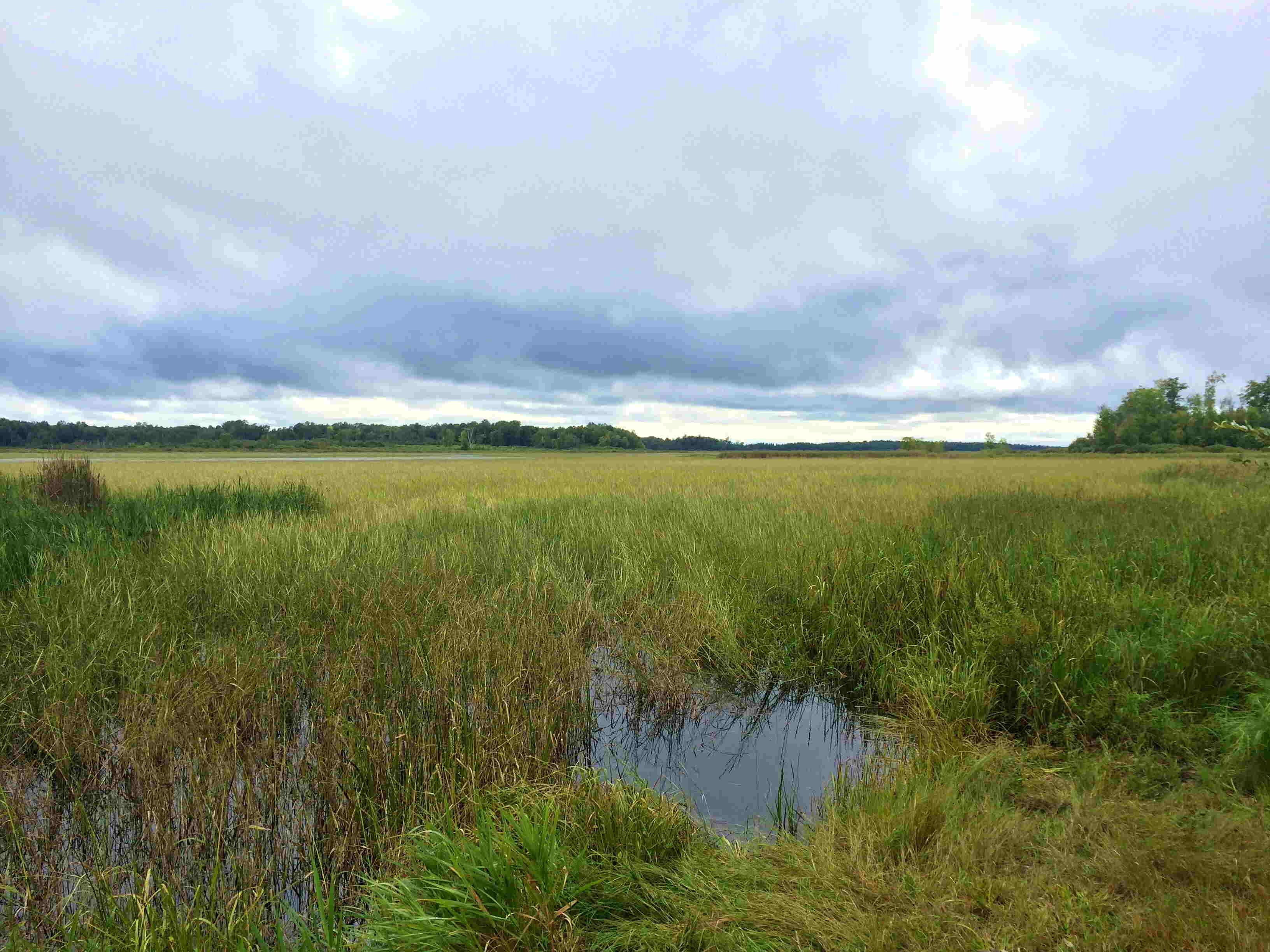
Have you ever wondered how wild rice is harvested in Minnesota's Rice Lake? This unique process is steeped in tradition and culture. Wild rice isn't just a staple food; it's a symbol of heritage for many Native American tribes. Harvesting this grain involves paddling through the shallow waters of Rice Lake, gently knocking the rice into canoes. This method ensures the plants remain undamaged, allowing them to grow back the next season. The harvest usually takes place in late summer when the rice is ripe. Join us as we explore the fascinating world of wild rice harvesting in Minnesota.
The Tradition of Wild Rice Harvesting
Minnesota's Rice Lake is famous for its wild rice. This grain, known as "manoomin" in Ojibwe, has been a staple for Native American tribes for centuries. Harvesting wild rice is not just about collecting food; it’s a cultural tradition that connects people to the land and their heritage.
Best Time to Harvest Wild Rice
Timing is everything when it comes to wild rice harvesting. The season typically starts in late August and can last until mid-September. The rice must be ripe but not too dry, making this window crucial for a successful harvest.
Essential Tools for Harvesting
Before heading out to Rice Lake, gather the necessary tools. Traditional methods are still widely used and respected.
- Canoe: A lightweight, shallow canoe is ideal for navigating through the rice beds without damaging the plants.
- Knocking Sticks: These are used to gently knock the rice kernels into the canoe. They are usually made from wood and are about three feet long.
- Push Pole: This helps to move the canoe through the dense rice beds. It’s typically made from wood or aluminum.
Key Locations Around Rice Lake
Rice Lake is surrounded by several spots perfect for wild rice harvesting. Each location offers unique experiences and challenges.
- Rice Lake National Wildlife Refuge: This area is protected and managed to ensure the sustainability of wild rice. Permits are required, and the refuge offers educational programs about the importance of wild rice.
- Tamarac National Wildlife Refuge: Located nearby, this refuge also has abundant wild rice beds. It’s a great spot for beginners due to its well-maintained paths and clear signage.
- White Earth Reservation: This area is rich in cultural history and offers a more traditional harvesting experience. The White Earth Band of Ojibwe often holds events and workshops on wild rice harvesting.
Respecting the Environment
Harvesting wild rice is not just about taking from nature; it’s about giving back. Sustainable practices ensure that future generations can continue this tradition.
- Harvest Only What You Need: Overharvesting can deplete the rice beds. Take only what you can use.
- Avoid Damaging Plants: Use gentle techniques to avoid harming the rice stalks. This helps the plants to regrow for the next season.
- Leave No Trace: Clean up any trash or equipment. Respect the natural beauty of Rice Lake.
The Cultural Significance
Wild rice harvesting is deeply rooted in the culture of Native American tribes in Minnesota. It’s more than just a food source; it’s a way to connect with ancestors and the land.
- Community Events: Many tribes hold annual gatherings to celebrate the rice harvest. These events often include traditional music, dance, and storytelling.
- Educational Programs: Some tribes offer workshops and classes to teach the younger generation about the importance of wild rice and how to harvest it sustainably.
- Spiritual Practices: For many, harvesting wild rice is a spiritual act. It’s a time for reflection, gratitude, and connection to nature.
Preparing Wild Rice
Once harvested, wild rice needs to be processed before it can be eaten. This involves several steps that are often done by hand.
- Drying: Spread the rice out in a thin layer to dry. This can take several days, depending on the weather.
- Parching: This involves heating the rice to remove the outer hull. It’s usually done over an open fire or in a large metal drum.
- Threshing: This step separates the rice from the chaff. It can be done by hand or with mechanical equipment.
- Winnowing: Finally, the rice is winnowed to remove any remaining chaff. This is often done by tossing the rice in the air and letting the wind carry away the lighter chaff.
Enjoying the Fruits of Your Labor
After all the hard work, it’s time to enjoy the wild rice. This nutritious grain can be used in a variety of dishes, from soups and salads to casseroles and desserts.
- Wild Rice Soup: A hearty and comforting dish, perfect for cold Minnesota winters.
- Wild Rice Salad: Combine with fresh vegetables, nuts, and a light dressing for a healthy meal.
- Wild Rice Casserole: A delicious and filling option, often made with mushrooms, onions, and cheese.
- Wild Rice Pudding: A sweet treat that’s perfect for dessert.
Embracing Minnesota's Wild Rice Tradition
Minnesota's wild rice harvesting offers a unique glimpse into the state's rich cultural heritage. This tradition, deeply rooted in the lives of the Ojibwe people, showcases the importance of preserving both nature and history. Participating in the harvest connects you to the land and its stories, creating memories that last a lifetime.
Whether you're a seasoned traveler or a curious newcomer, experiencing the wild rice harvest is a must. The serene beauty of Rice Lake, combined with the hands-on experience of gathering wild rice, provides a rare opportunity to step back in time. This tradition is more than just a harvest; it's a celebration of community, nature, and history.
So, next time you're in Minnesota, consider joining the wild rice harvest. It's an adventure that enriches your understanding of the state's culture and leaves you with a deeper appreciation for its natural beauty.
