Secrets Of Minnesota’s North Shore Prohibition Hideouts
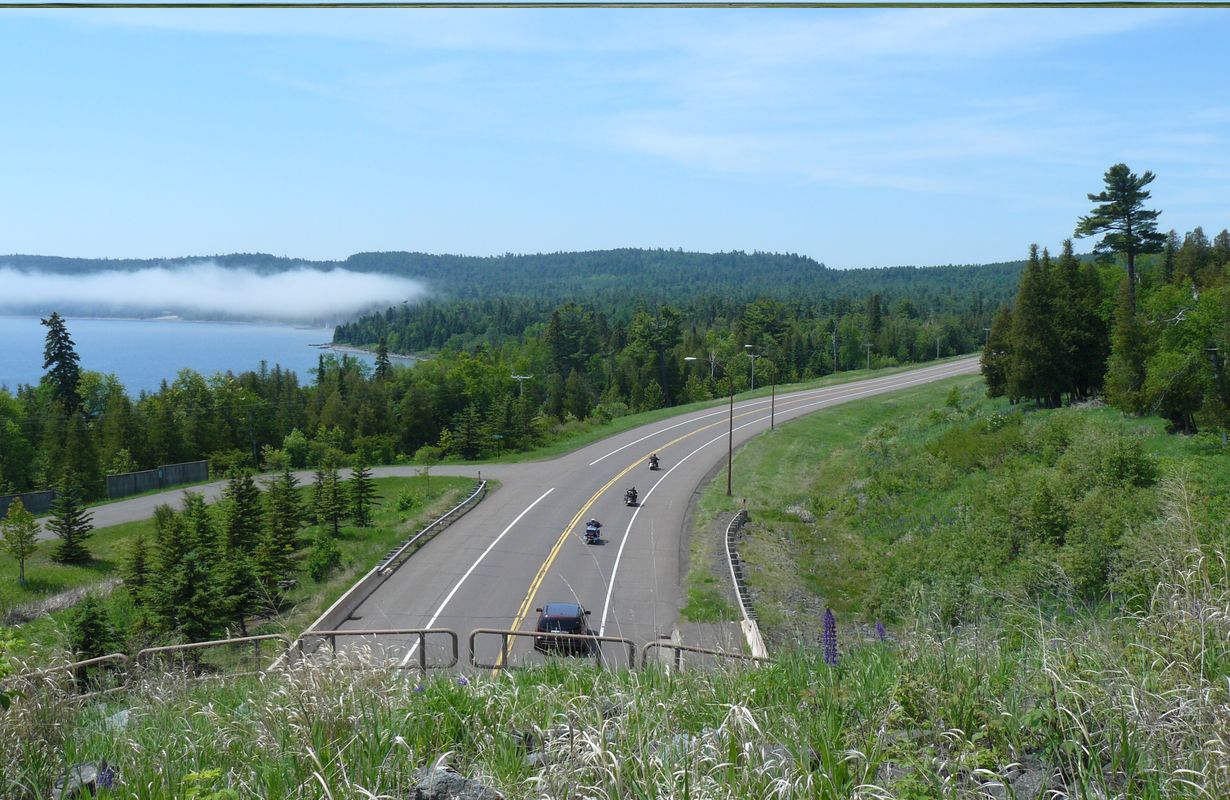
Have you ever wondered about the hidden secrets of Minnesota's North Shore? During Prohibition, this scenic area became a hotspot for bootleggers and rumrunners. With its rugged terrain and secluded coves, it was the perfect place to hide illegal activities. Today, you can explore these Prohibition hideouts and imagine what life was like for those daring enough to defy the law. From hidden caves to abandoned cabins, each spot tells a story of adventure and risk. Whether you're a history buff or just love a good mystery, the North Shore offers a unique glimpse into a thrilling past.
Hidden Gems of Minnesota's North Shore
Minnesota's North Shore is known for its stunning landscapes, but it also hides a fascinating history. During Prohibition, this area became a hotspot for secret hideouts. Let's uncover some of these intriguing spots.
1. Split Rock Lighthouse
Perched on a cliff, Split Rock Lighthouse is an iconic landmark. During Prohibition, it served as a lookout point for smugglers. The lighthouse keepers often turned a blind eye to the illegal activities below.
2. Tettegouche State Park
Tettegouche State Park offers more than just beautiful trails and waterfalls. Hidden within its dense forests, bootleggers found the perfect cover to stash their goods. The rugged terrain made it difficult for law enforcement to track them down.
3. Grand Marais Harbor
Grand Marais Harbor, with its picturesque views, was a bustling hub for illegal trade. Boats would dock under the cover of night, unloading crates of alcohol. Today, it's a peaceful spot, but whispers of its past still linger.
4. Cascade River State Park
Cascade River State Park's cascading waterfalls provided the perfect noise cover for bootleggers. The sound of rushing water masked the clinking of bottles and the whispers of secret deals. It's a serene place now, but its history adds an extra layer of intrigue.
5. Lutsen Mountains
Lutsen Mountains, known for skiing, also played a role during Prohibition. The remote cabins scattered across the mountains served as hideouts for those evading the law. The challenging terrain made it an ideal spot for secrecy.
6. Temperance River State Park
Ironically named, Temperance River State Park was anything but temperate during Prohibition. The park's rugged cliffs and hidden caves provided perfect hiding spots for contraband. Today, it's a haven for hikers, but its past is far from forgotten.
7. Two Harbors
Two Harbors, a charming town, was a key point for smuggling operations. The town's strategic location along the shore made it easy for boats to come and go unnoticed. The historic buildings now tell tales of a different time.
8. Gooseberry Falls State Park
Gooseberry Falls State Park, famous for its stunning waterfalls, also has a secret past. The falls' thunderous roar provided excellent cover for illicit activities. Bootleggers used the park's natural features to their advantage, making it a hotspot for hidden operations.
9. Palisade Head
Palisade Head, with its dramatic cliffs, offered a perfect vantage point. Smugglers used this high ground to spot approaching law enforcement. The breathtaking views now attract tourists, but its history adds a mysterious allure.
10. Silver Bay
Silver Bay, a small town, played a significant role during Prohibition. The town's remote location made it a prime spot for secret distilleries. The remnants of these operations can still be found if you know where to look.
11. Knife River
Knife River, a quiet village, was once a bustling center for bootlegging. The river provided a natural route for transporting goods. The village's serene atmosphere today belies its lively past.
12. Beaver Bay
Beaver Bay, the oldest settlement on the North Shore, has a rich history. During Prohibition, its secluded location made it a haven for smugglers. The town's historic charm now attracts visitors, but its past remains an intriguing part of its story.
13. Finland
Finland, a small community, was a key player in the Prohibition era. The dense forests and remote location provided perfect cover for illegal activities. The town's history is a testament to its resilient spirit.
14. Schroeder
Schroeder, a tiny town, played a big role during Prohibition. The town's strategic location along the shore made it a prime spot for smuggling operations. The historic buildings now stand as silent witnesses to its secret past.
15. Hovland
Hovland, a small village, was a crucial point for bootleggers. The village's remote location and dense forests provided excellent cover. The quiet streets now hide the secrets of its lively past.
Hidden History of Minnesota's North Shore
Minnesota's North Shore holds a fascinating past. Prohibition-era hideouts tell stories of adventure, secrecy, and resilience. Exploring these sites offers a unique glimpse into a time when the law was challenged and creativity flourished. From hidden caves to secret tunnels, each location has its own tale. Visiting these spots not only enriches your knowledge but also adds a sense of mystery to your travels. Next time you find yourself on the North Shore, take a moment to appreciate these historical gems. They remind us of a bygone era and the lengths people went to for a taste of freedom. Whether you're a history buff or just curious, these hideouts are worth the visit. Dive into the past and uncover the secrets that make Minnesota's North Shore truly unique.