

Secrets Of Minnesota’s Logging Camps In Superior National Forest
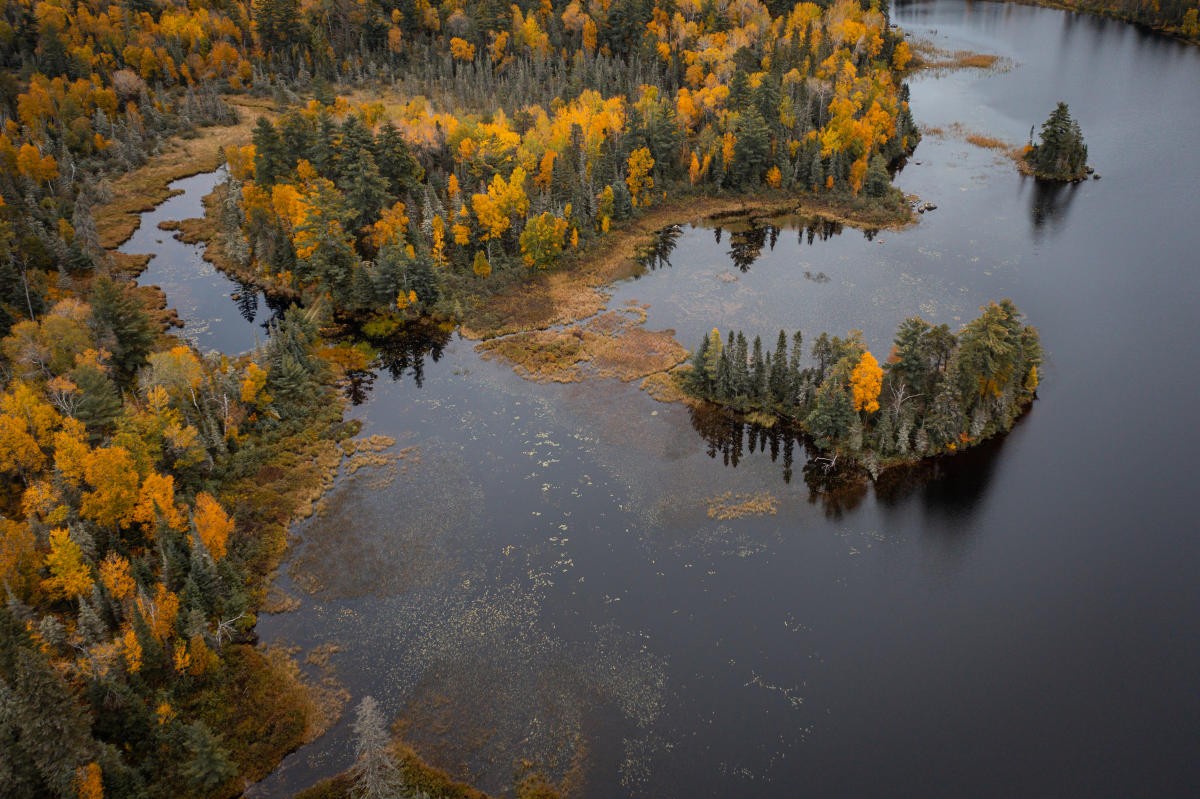
Have you ever wondered what life was like in Minnesota's logging camps? Imagine towering pines, the smell of fresh-cut timber, and the sound of axes echoing through the forest. Superior National Forest holds many stories from the days when logging was king. These camps were bustling hubs where loggers worked tirelessly, often in harsh conditions, to harvest the timber that built America. From the early morning wake-up calls to the hearty meals that fueled their labor, every day brought new challenges and camaraderie. Join us as we step back in time to uncover the secrets and daily life of these historic logging camps.
Discovering Minnesota's Logging Camps
Minnesota's Superior National Forest holds a rich history of logging camps. These camps played a crucial role in shaping the region's economy and culture. Let's explore some of the most fascinating logging camps in this beautiful forest.
1. The Historic Forest Lodge
Forest Lodge, located on the shores of Lake Namakan, offers a glimpse into the past. This camp served as a hub for loggers in the early 1900s. Visitors can tour the preserved buildings and learn about the daily lives of the loggers who once called this place home.
2. The Ely Logging Museum
Ely Logging Museum provides an in-depth look at the logging industry in Superior National Forest. The museum features exhibits on logging techniques, tools, and the impact of logging on the environment. It's a must-visit for anyone interested in the history of logging.
3. The Tofte Logging Camp
Tofte Logging Camp, situated near the town of Tofte, offers a unique experience. This camp has been restored to its original condition, complete with bunkhouses, a cookhouse, and a blacksmith shop. Visitors can step back in time and see how loggers lived and worked.
4. The Isabella Work Center
Isabella Work Center, located in the heart of Superior National Forest, served as a base for loggers and forest rangers. Today, it functions as an educational center, offering programs on forest management and conservation. It's a great place to learn about the balance between logging and preserving natural resources.
5. The Gunflint Trail Logging Camp
Gunflint Trail Logging Camp, nestled along the scenic Gunflint Trail, provides a picturesque setting for exploring logging history. The camp features interpretive trails, historical markers, and guided tours. It's an ideal spot for nature lovers and history buffs alike.
6. The Cook County Historical Society
Cook County Historical Society, located in Grand Marais, offers a comprehensive overview of the region's logging history. The society's museum includes artifacts, photographs, and documents related to logging in Superior National Forest. It's a valuable resource for anyone interested in the area's past.
7. The Kawishiwi Ranger Station
Kawishiwi Ranger Station, near Ely, played a vital role in managing logging operations in the forest. Today, it serves as a visitor center, providing information on the history of logging and the importance of sustainable forestry practices. It's a great starting point for exploring the forest.
8. The Sawbill Lake Logging Camp
Sawbill Lake Logging Camp, located near Sawbill Lake, offers a serene setting for learning about logging history. The camp features interpretive signs, a small museum, and hiking trails. It's a peaceful spot to reflect on the impact of logging on the forest.
9. The Superior National Forest Scenic Byway
Superior National Forest Scenic Byway, a 145-mile route through the forest, passes by several historic logging sites. Travelers can stop at various points along the byway to learn about the history of logging and enjoy the stunning natural scenery. It's a perfect way to experience the forest's beauty and history.
10. The Chik-Wauk Museum and Nature Center
Chik-Wauk Museum and Nature Center, located on the Gunflint Trail, offers a blend of natural history and logging heritage. The museum features exhibits on the area's logging past, as well as its flora and fauna. It's an excellent destination for families and nature enthusiasts.
Discovering Minnesota's Logging History
Minnesota's logging camps in Superior National Forest offer a unique glimpse into the past. These camps were bustling hubs of activity, where loggers worked tirelessly to harvest timber. Exploring these sites today, you can almost hear the echoes of axes and saws. The preserved cabins and equipment tell stories of hard work, camaraderie, and survival in harsh conditions. Visiting these camps provides a deeper appreciation for the state's rich history and the people who shaped it. Whether you're a history buff or just love the outdoors, these logging camps are a must-see. They remind us of the resilience and ingenuity of those who came before us. So next time you're in Minnesota, take a trip to Superior National Forest and step back in time. You'll leave with a newfound respect for the loggers and the legacy they left behind.
