

Secrets Of Minnesota’s Fond Du Lac Trading Posts
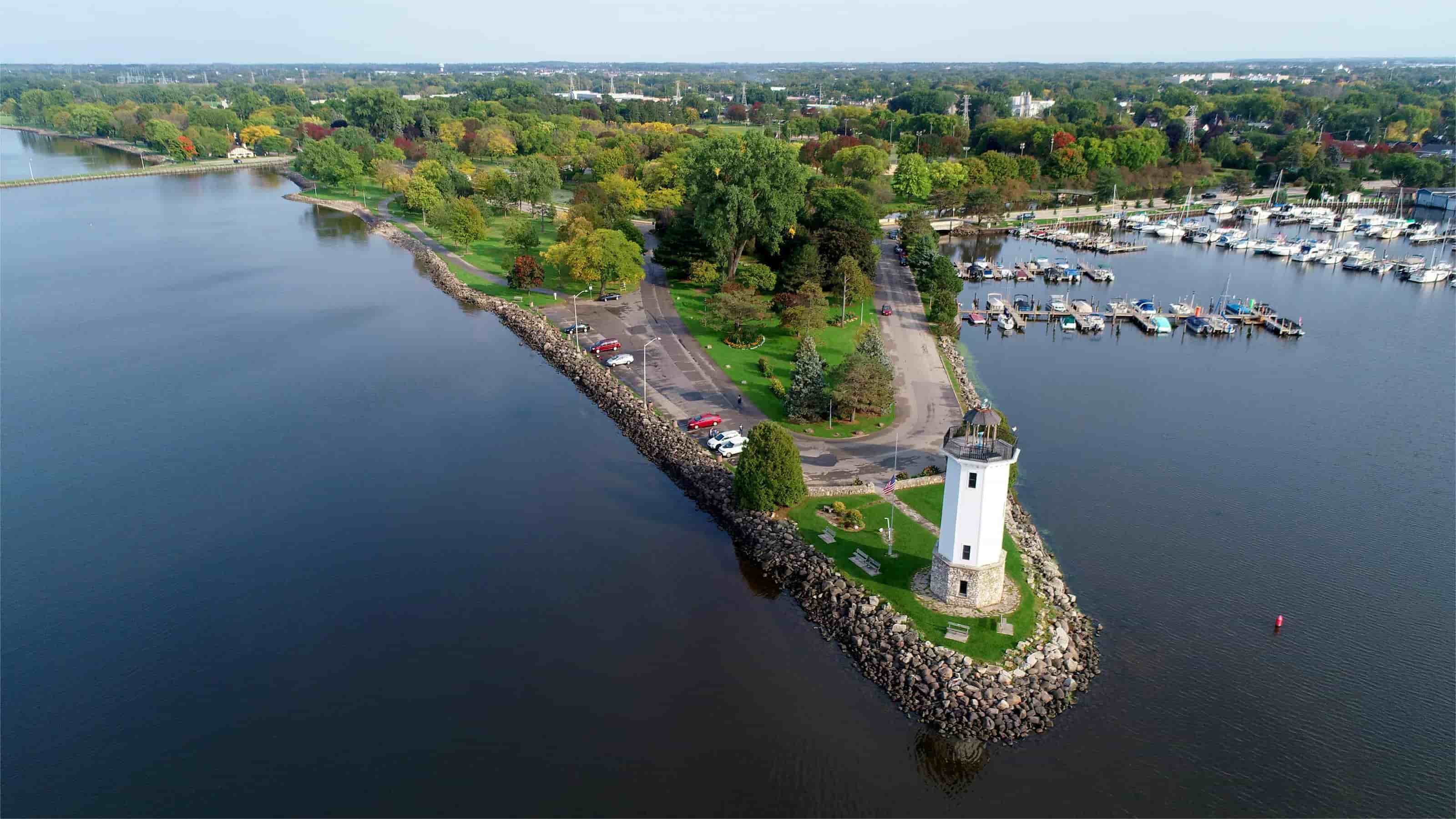
Have you ever wondered about the hidden gems of Minnesota's history? Fond du Lac Trading Posts offer a fascinating glimpse into the past. These trading posts were bustling hubs where fur traders, Native Americans, and settlers exchanged goods, stories, and cultures. Located along the St. Louis River, they played a crucial role in the fur trade era. Visiting these sites today, you can almost hear the echoes of bartering and laughter. Whether you're a history buff or just curious, exploring these trading posts provides a unique window into Minnesota's rich heritage. Ready to step back in time? Let's dive into the secrets of Fond du Lac Trading Posts.
Minnesota's Fond du Lac Trading Posts: A Journey Through Time
Minnesota's Fond du Lac area is rich with history, especially when it comes to trading posts. These posts were vital hubs for trade, culture, and communication. Let's take a closer look at some of the most significant trading posts in this region.
1. Fond du Lac Trading Post
The Fond du Lac Trading Post is one of the oldest and most significant in Minnesota. Established in the early 1800s, it served as a crucial link between European traders and Native American tribes. This post was a bustling center for the exchange of furs, goods, and stories.
2. Grand Portage Trading Post
Located near the Canadian border, the Grand Portage Trading Post played a pivotal role in the fur trade. It was a meeting point for traders, voyageurs, and indigenous peoples. The post's strategic location made it a key player in the North American fur trade network.
3. Snake River Fur Post
The Snake River Fur Post, also known as the Pine City Fur Post, offers a glimpse into the life of early traders. This reconstructed post allows visitors to step back in time and experience the daily activities of fur traders. It’s an educational and immersive experience for all ages.
4. North West Company Fur Post
The North West Company Fur Post in Pine City is another significant site. This post was part of a larger network of trading posts operated by the North West Company. It played a crucial role in the competition between fur trading companies in the 18th and 19th centuries.
5. Sibley House Historic Site
The Sibley House Historic Site in Mendota is home to one of Minnesota's oldest stone buildings. This site includes the home of Henry Hastings Sibley, a prominent fur trader and the state's first governor. The trading post here was a vital part of the fur trade and early Minnesota history.
6. Lac qui Parle Trading Post
The Lac qui Parle Trading Post, located near the Minnesota River, was an important site for trade and interaction between European settlers and Native Americans. This post was also a center for missionary work and cultural exchange.
7. Fort Snelling
Fort Snelling, located at the confluence of the Mississippi and Minnesota Rivers, was more than just a military fort. It also served as a trading post and a hub for commerce and communication. The fort's strategic location made it a key site in Minnesota's early history.
8. Crow Wing State Park Trading Post
Crow Wing State Park is home to the remnants of a historic trading post. This site offers a unique look at the interaction between traders and Native American tribes. The park also provides beautiful natural scenery and recreational opportunities.
9. Pembina State Museum Trading Post
The Pembina State Museum, located near the Minnesota-North Dakota border, features exhibits on the region's fur trade history. The museum's trading post exhibit provides insight into the daily lives of traders and the importance of the fur trade in shaping the region.
10. Mille Lacs Indian Museum and Trading Post
The Mille Lacs Indian Museum and Trading Post offers a comprehensive look at the history and culture of the Mille Lacs Band of Ojibwe. The trading post here showcases traditional crafts and goods, providing a connection to the area's rich trading history.
11. Historic Forestville
Historic Forestville, located in Forestville/Mystery Cave State Park, includes a reconstructed 19th-century trading post. This site offers a glimpse into the daily life of early settlers and traders in Minnesota. Visitors can explore the historic buildings and learn about the area's history.
12. Lower Sioux Agency
The Lower Sioux Agency, located near the Minnesota River, was a significant site for trade and interaction between European settlers and the Dakota people. The agency's trading post played a crucial role in the region's history and cultural exchange.
Discovering Minnesota's Rich History
Minnesota's Fond du Lac Trading Posts offer a unique glimpse into the past. These historic sites reveal the rich tapestry of trade, culture, and daily life in the region. Visiting these posts, you can almost hear the bustling activity of traders, Native Americans, and settlers. The artifacts and stories preserved here provide a tangible connection to Minnesota's early days. Exploring these trading posts is not just an educational experience but also a journey through time. Whether you're a history buff or just curious about the past, these sites offer something for everyone. So next time you're in Minnesota, make sure to visit the Fond du Lac Trading Posts. You'll leave with a deeper appreciation for the state's history and the people who shaped it.
