

Hidden Trading Posts Along Minnesota’s Voyageur Routes
Have you ever wondered about the hidden trading posts along Minnesota's historic Voyageur routes? These paths, once bustling with fur traders, hold secrets of the past waiting to be uncovered. Imagine paddling through serene lakes and winding rivers, where every bend could reveal a piece of history. From Grand Portage to Rainy Lake, these routes offer more than just scenic beauty. They tell stories of adventure, survival, and commerce. Whether you're a history buff or an outdoor enthusiast, exploring these hidden gems can be a thrilling experience. Ready to dive into the past and discover the hidden trading posts of Minnesota? Let's get started!
Hidden Trading Posts Along Minnesota's Voyageur Routes
Minnesota's Voyageur routes are steeped in history, tracing the paths of early fur traders. These routes are dotted with hidden trading posts that offer a glimpse into the past. Let's explore some of these fascinating spots.
1. Grand Portage National Monument
Grand Portage National Monument is a must-see. This historic site was a vital hub for fur traders. Visitors can explore reconstructed buildings and learn about the lives of the voyageurs.
2. Snake River Fur Post
Located near Pine City, the Snake River Fur Post offers a unique look at the fur trade era. This reconstructed post features exhibits and reenactments, bringing history to life.
3. North West Company Fur Post
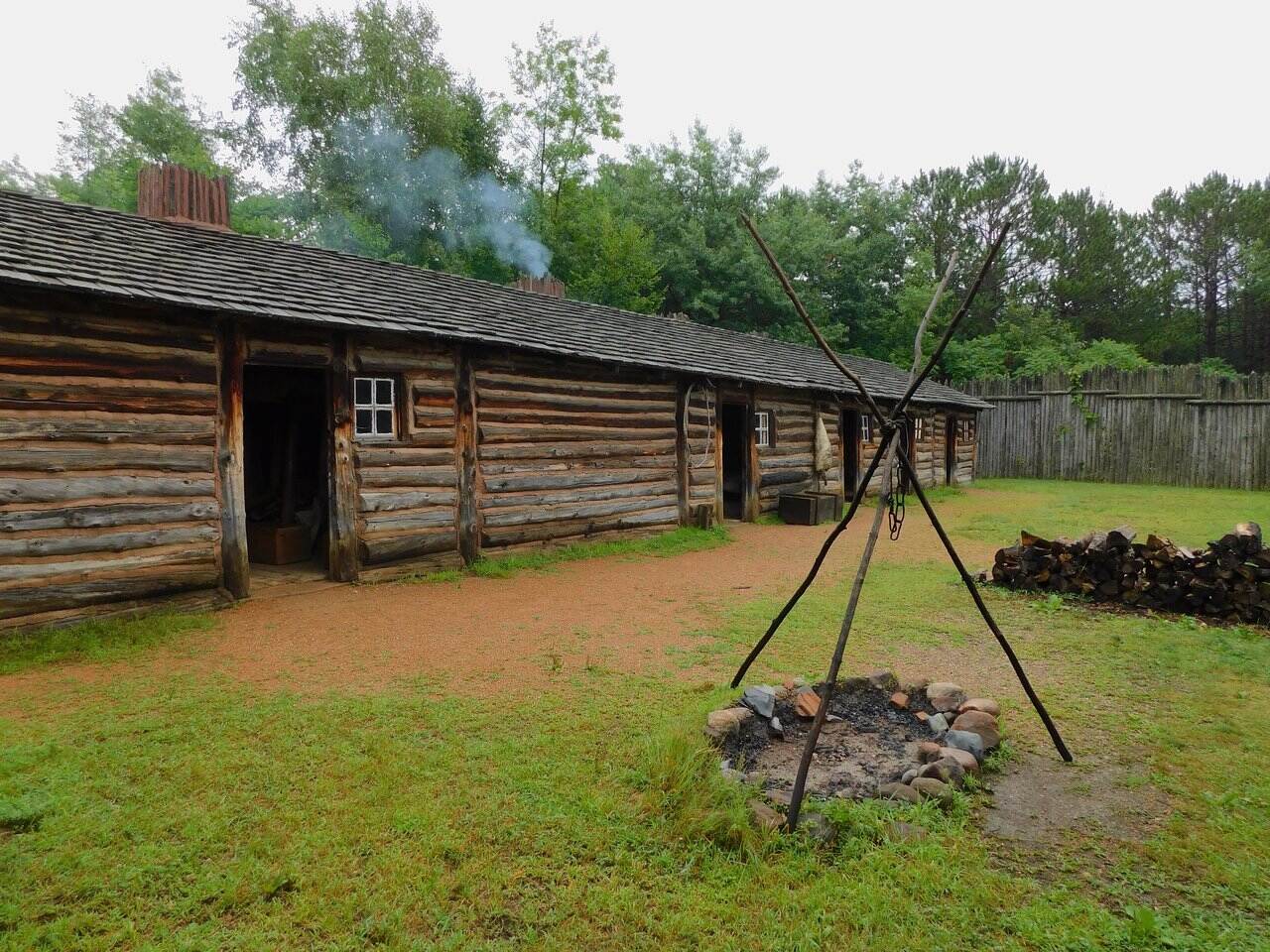
In Pine City, the North West Company Fur Post is another gem. This site includes a reconstructed trading post and Ojibwe encampment, providing insights into the interactions between traders and Native Americans.
4. Lac qui Parle Mission
Lac qui Parle Mission, near Watson, was an important site for fur traders and missionaries. The mission buildings and interpretive center offer a window into the past.
5. Fort Snelling
Fort Snelling, located at the confluence of the Mississippi and Minnesota Rivers, played a crucial role in the fur trade. The fort's museum and living history programs make it a fascinating stop.
6. Sibley Historic Site
The Sibley Historic Site in Mendota includes several historic buildings related to the fur trade. Visitors can tour the homes of early traders and learn about their lives.
7. Mille Lacs Indian Museum and Trading Post
The Mille Lacs Indian Museum and Trading Post in Onamia offers a rich history of the fur trade and Native American culture. The museum's exhibits and the adjacent trading post provide a comprehensive experience.
8. Historic Forestville
Historic Forestville, located in Preston, is a restored 19th-century village. The site includes a general store that once served as a trading post, offering a glimpse into the past.
9. Lower Sioux Agency
The Lower Sioux Agency near Morton was a key site during the fur trade era. The agency's museum and historic buildings tell the story of the traders and Native Americans who lived and worked there.
10. Wabasha Street Caves
Wabasha Street Caves in St. Paul have a unique history. Originally used as storage for fur traders, these caves later became speakeasies and gangster hideouts. Tours offer a fascinating look at their varied past.
11. Crow Wing State Park
Crow Wing State Park near Brainerd includes the site of an old fur trading post. The park's trails and interpretive signs provide a glimpse into the area's history.
12. Fort Ridgely
Fort Ridgely, located near Fairfax, was a key military post during the fur trade era. The fort's museum and reconstructed buildings offer insights into the lives of soldiers and traders.
13. Grand Rapids Area
The Grand Rapids area was a significant hub for fur traders. The Forest History Center and other local sites provide a rich history of the fur trade and logging industries.
14. Voyageurs National Park
Voyageurs National Park, near International Falls, is named for the French-Canadian fur traders. The park's visitor centers and boat tours offer a deep dive into the history of the voyageurs.
15. Koochiching County Historical Museum
The Koochiching County Historical Museum in International Falls features exhibits on the fur trade and local history. The museum's collections provide a comprehensive look at the area's past.
16. Split Rock Lighthouse
Split Rock Lighthouse on the North Shore of Lake Superior has a history tied to the fur trade. The lighthouse and its museum offer stunning views and a peek into the past.
17. Jay Cooke State Park
Jay Cooke State Park near Carlton includes the site of an old fur trading post. The park's trails and interpretive programs highlight the area's history and natural beauty.
18. Glensheen Historic Estate
Glensheen Historic Estate in Duluth was built by a family with ties to the fur trade. The mansion and its grounds offer a glimpse into the lives of early 20th-century traders.
19. North Shore Commercial Fishing Museum
The North Shore Commercial Fishing Museum in Tofte includes exhibits on the fur trade. The museum's collections highlight the connections between fishing and fur trading along Lake Superior.
20. Ely-Winton Historical Society
The Ely-Winton Historical Society in Ely features exhibits on the fur trade and local history. The society's collections provide a comprehensive look at the area's past.
Discovering Minnesota's Hidden Trading Posts
Exploring Minnesota's hidden trading posts along the Voyageur routes offers a unique glimpse into the past. These historical sites tell stories of early traders, Native American interactions, and the rugged life of the voyageurs. Visiting places like Grand Portage, Fort Charlotte, and the Northwest Company Fur Post connects you to a rich history that shaped the region. Each location provides a different perspective on the fur trade era, making the journey both educational and exciting. Whether you're a history buff or just love adventure, these hidden gems are worth the trip. So pack your bags, grab a map, and set out to uncover the secrets of Minnesota's trading posts. You'll walk away with a deeper appreciation for the state's heritage and the people who once traversed these ancient routes.
