

Hidden Stories Of Minnesota’s Abandoned Iron Range Towns
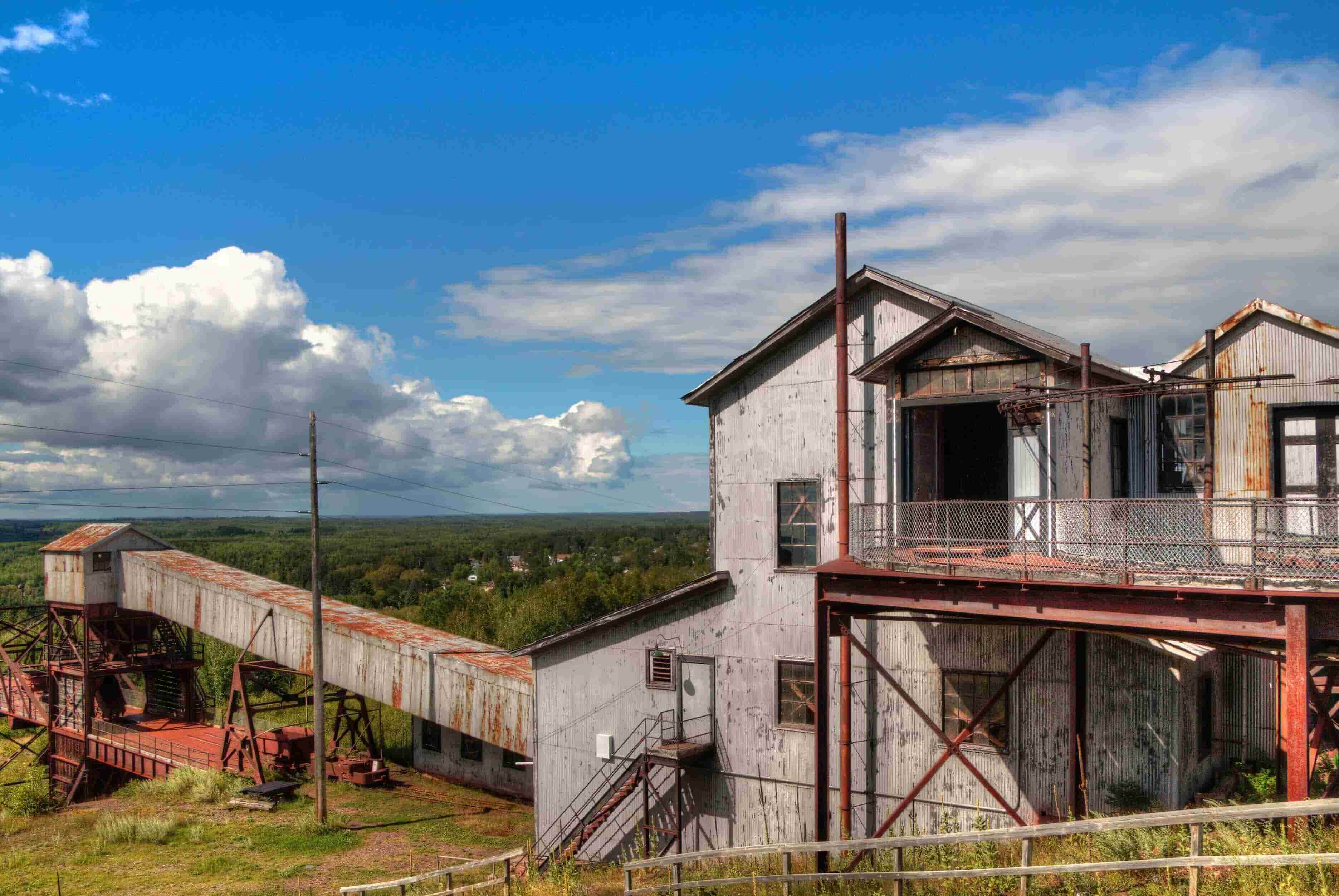
Have you ever wondered about the hidden stories of Minnesota's abandoned Iron Range towns? These once-thriving communities played a crucial role in the state's history. During the late 19th and early 20th centuries, the Iron Range was a bustling hub of activity, drawing workers from around the world. Today, many of these towns lie silent, their buildings standing as ghostly reminders of a bygone era. Exploring these forgotten places offers a unique glimpse into the past, revealing tales of hard work, community, and resilience. Join us as we uncover the secrets of Minnesota's Iron Range and the towns that time forgot.
Minnesota's Forgotten Iron Range
Minnesota's Iron Range once thrived with bustling towns and booming industries. Over time, many of these towns faded into obscurity, leaving behind ghostly remnants of their past. Let's explore some of these abandoned places, each with its own unique story.
1. Taconite Harbor
Taconite Harbor was once a lively community built around the taconite processing plant. The plant closed in the 1980s, leading to the town's decline. Today, the abandoned buildings and empty streets tell the tale of a once-thriving industrial hub.
2. Elcor
Elcor, established in the early 1900s, was a mining town that flourished until the 1950s. The town's decline began when the mines closed, and by the 1960s, it was completely abandoned. Now, only a few crumbling structures remain, hidden among the trees.
3. Franklin
Franklin was a small town that grew around the Franklin Mine. The mine's closure in the 1920s led to the town's rapid decline. Today, visitors can find remnants of the old mine and a few scattered foundations, offering a glimpse into the past.
4. Genoa
Genoa was a bustling community in the early 1900s, supported by the nearby mines. As the mines closed, the town's population dwindled. Now, only a few ruins and overgrown streets remain, whispering stories of a bygone era.
5. Mitchell
Mitchell was once a thriving mining town, home to hundreds of workers and their families. The town's decline began in the 1930s when the mines shut down. Today, Mitchell is a ghost town, with only a few dilapidated buildings standing as a testament to its past.
6. Sparta
Sparta was a vibrant community in the early 20th century, centered around the Sparta Mine. The mine's closure in the 1920s led to the town's gradual abandonment. Now, only a few scattered ruins and the old mine shaft remain, hidden in the woods.
7. Penobscot
Penobscot was a small mining town that thrived in the early 1900s. The town's decline began when the mines closed in the 1930s. Today, visitors can find remnants of the old town, including a few crumbling buildings and overgrown streets.
8. Hawkins
Hawkins was a bustling community built around the Hawkins Mine. The mine's closure in the 1940s led to the town's decline. Now, only a few ruins and the old mine shaft remain, offering a glimpse into the past.
9. Soudan
Soudan was once a thriving mining town, home to the Soudan Mine. The mine's closure in the 1960s led to the town's gradual decline. Today, visitors can explore the old mine and the few remaining buildings, which stand as a testament to the town's rich history.
10. Fayal
Fayal was a small town that grew around the Fayal Mine. The mine's closure in the 1950s led to the town's decline. Now, only a few scattered ruins and the old mine shaft remain, hidden among the trees.
11. Mesaba
Mesaba was a bustling community in the early 1900s, supported by the nearby mines. As the mines closed, the town's population dwindled. Today, only a few ruins and overgrown streets remain, whispering stories of a bygone era.
12. McKinley
McKinley was once a thriving mining town, home to hundreds of workers and their families. The town's decline began in the 1930s when the mines shut down. Today, McKinley is a ghost town, with only a few dilapidated buildings standing as a testament to its past.
13. Biwabik
Biwabik was a vibrant community in the early 20th century, centered around the Biwabik Mine. The mine's closure in the 1920s led to the town's gradual abandonment. Now, only a few scattered ruins and the old mine shaft remain, hidden in the woods.
14. Hibbing
Hibbing was a small mining town that thrived in the early 1900s. The town's decline began when the mines closed in the 1930s. Today, visitors can find remnants of the old town, including a few crumbling buildings and overgrown streets.
15. Virginia
Virginia was a bustling community built around the Virginia Mine. The mine's closure in the 1940s led to the town's decline. Now, only a few ruins and the old mine shaft remain, offering a glimpse into the past.
The Enduring Legacy of Minnesota's Iron Range Towns
Minnesota's abandoned Iron Range towns hold a rich history. These places once thrived with industry and community spirit. Today, they stand as silent witnesses to a bygone era. Walking through these towns, you can almost hear the echoes of bustling streets and hardworking miners. The stories of these towns remind us of the resilience and determination of those who lived there. They also highlight the impact of the mining industry on the region's development. Visiting these towns offers a unique glimpse into Minnesota's past. It’s a chance to reflect on how far the state has come and to appreciate the sacrifices made by previous generations. Whether you're a history buff or just curious, exploring these towns is a journey worth taking. The legacy of Minnesota's Iron Range towns continues to inspire and educate, preserving an important chapter of American history.
