

Hidden Prairie Research Centers Of Minnesota’s Biological Research Station
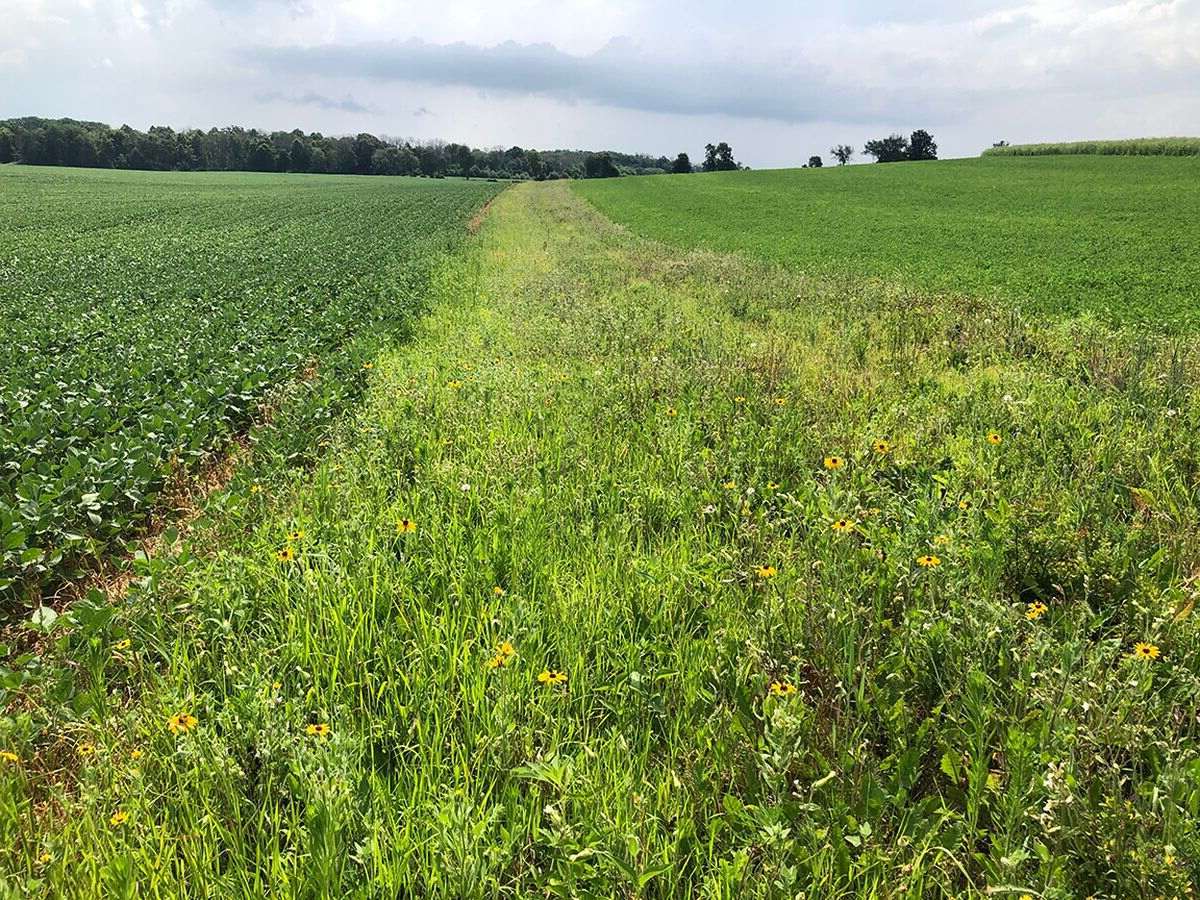
Have you ever wondered where scientists study the natural world up close? Minnesota's Biological Research Station is one such place. Tucked away in the prairies, this center offers a unique look into the region's diverse ecosystems. Researchers here focus on everything from plant life to animal behavior. They work tirelessly to understand how these systems function and how they can be preserved. Visitors can also learn about the latest discoveries through guided tours and educational programs. Whether you're a budding scientist or just curious about nature, this research station provides a fascinating glimpse into the world of ecological studies.
Unveiling Minnesota's Hidden Prairie Research Centers
Minnesota's prairies are more than just vast stretches of grassland. They are home to some of the most fascinating biological research stations. These centers are dedicated to studying the unique ecosystems, flora, and fauna of the region. Let's take a closer look at some of these hidden gems.
1. Cedar Creek Ecosystem Science Reserve
Cedar Creek is a world-renowned ecological research site. Located in East Bethel, it spans over 5,400 acres of diverse habitats. Researchers here study everything from plant diversity to animal behavior. The reserve is also known for its long-term experiments on biodiversity and ecosystem functioning.
2. Itasca Biological Station and Laboratories
Nestled within Itasca State Park, this station offers a unique setting for biological research. Itasca Biological Station is famous for its work on freshwater ecosystems. Scientists here study the headwaters of the Mississippi River, making groundbreaking discoveries about water quality and aquatic life.
3. Hormel Nature Center
Located in Austin, the Hormel Nature Center is a hub for environmental education and research. The center's prairie restoration projects are particularly noteworthy. Researchers focus on the impact of native plants on local wildlife, contributing valuable data to conservation efforts.
4. Lac qui Parle Wildlife Management Area
This area is a paradise for bird watchers and researchers alike. Lac qui Parle is known for its extensive wetlands and prairies. Scientists study migratory patterns, nesting behaviors, and the impact of human activities on bird populations. The data collected here helps in formulating effective conservation strategies.
5. Glacial Ridge National Wildlife Refuge
Glacial Ridge is one of the largest prairie restoration projects in the United States. Located in northwestern Minnesota, it covers over 24,000 acres. Researchers at this refuge study the effects of habitat restoration on plant and animal species. Their work provides insights into the benefits of large-scale conservation efforts.
6. Pipestone National Monument
Pipestone National Monument is not just a historical site; it is also a center for ecological research. The monument's prairies are home to rare plant species and unique geological formations. Researchers study the interactions between these plants and their environment, contributing to our understanding of prairie ecosystems.
7. Blue Mounds State Park
Blue Mounds State Park is a hidden gem in southwestern Minnesota. The park's prairies are home to a variety of wildlife, including bison. Researchers here focus on prairie restoration and the reintroduction of native species. Their work helps in maintaining the ecological balance of the region.
8. Prairie Wetlands Learning Center
Located in Fergus Falls, this center is dedicated to the study of prairie wetlands. The Prairie Wetlands Learning Center offers educational programs and conducts research on wetland ecosystems. Scientists here study the impact of wetlands on water quality and biodiversity, providing valuable data for environmental conservation.
9. Ordway Prairie Nature Preserve
Ordway Prairie is a pristine example of Minnesota's native grasslands. Managed by The Nature Conservancy, this preserve is a hotspot for research on prairie ecology. Scientists study plant-animal interactions, soil health, and the effects of climate change on prairie ecosystems.
10. Weaver Dunes Scientific and Natural Area
Weaver Dunes is a unique landscape of sand dunes and prairies. Located along the Mississippi River, it is a critical habitat for rare species. Researchers at Weaver Dunes study the impact of invasive species, fire management, and habitat restoration on the local ecosystem. Their findings are crucial for preserving this delicate environment.
Discovering Minnesota's Hidden Prairie Research Centers
Minnesota's Biological Research Station offers a unique glimpse into the state's natural beauty and scientific endeavors. These hidden prairie research centers are vital for understanding ecosystems, preserving biodiversity, and advancing environmental science. Visiting these sites provides an educational experience, showcasing the importance of conservation and research in maintaining our natural world.
Exploring these centers not only enriches knowledge but also fosters a deeper appreciation for the environment. The work done here has far-reaching impacts, influencing policies and conservation efforts globally. Whether you're a student, scientist, or nature enthusiast, these research stations offer valuable insights and inspiration.
Plan a visit to Minnesota's Biological Research Station to witness firsthand the incredible work being done. Support these efforts by spreading awareness and advocating for continued research and conservation. The hidden prairies of Minnesota hold secrets that can help shape a sustainable future for all.
