

Part of our Minnesota guide.
Minnesota's "Secrets Medicine" sites are eleven distinct locations where Native American healing traditions, medicinal plants, and sacred landscapes converge. From the Red River Valley to the Boundary Waters, each place holds specific knowledge of plant-based remedies, ceremonial grounds, and medicine trees that have been used for centuries.
Red River Valley Medicine Grounds
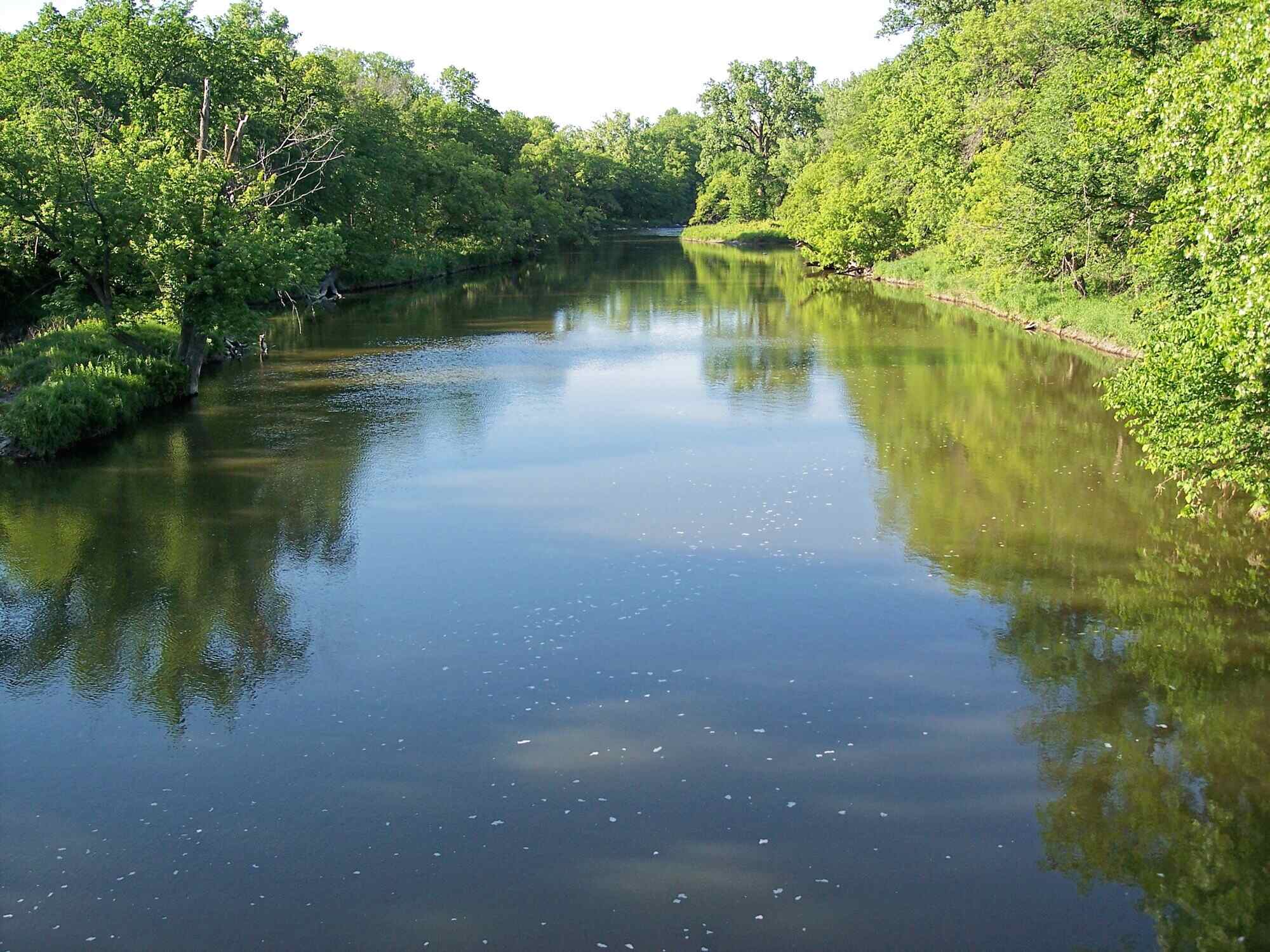
The Red River Valley Medicine Grounds sit within a flat, fertile floodplain defined by meandering waterways. The medicine grounds here were used by tribal communities for gathering healing plants and conducting ceremonies tied to the seasonal cycles of the valley.
Eagle Mountain Medicine Trees
Located in Superior National Forest, Eagle Mountain is the highest point in Minnesota. The Medicine Trees on its slopes were used by Native American tribes for healing and spiritual rituals. Their shapes and markings tell stories of a time long past. The trees are accessible via the Eagle Mountain Trail, a roughly 3.5-mile round-trip hike that gains about 500 feet in elevation. The trailhead is off the Gunflint Trail near Grand Marais, and the hike passes through boreal forest before reaching the summit, where the medicine trees stand among lichen-covered rocks and windswept pines.
Root River Medicine Grounds
The Root River Medicine Grounds are located along the Root River in southeastern Minnesota, a region known for its limestone bluffs and karst topography. The river runs approximately 80 miles from its headwaters near Chatfield to its confluence with the Mississippi River at La Crescent. The medicine grounds were used by Dakota and Ho-Chunk peoples for gathering medicinal plants such as wild ginger, bloodroot, and goldenseal.
Border Lakes Medicinal Sites
The border lakes region encompasses the Boundary Waters Canoe Area Wilderness and Voyageurs National Park, where over 1,000 lakes and rivers create a network of waterways. Medicinal plants found here include Labrador tea, used for respiratory ailments, and yarrow, applied to wounds. The sites are accessible only by canoe or on foot, requiring a permit for overnight trips in the BWCAW.
Pipestone Medicine Trees
Located in Pipestone National Monument, the Pipestone Medicine Trees are symbols of healing and spirituality. Native tribes have used them for centuries to create sacred pipes and other ceremonial items. The monument sits in southwestern Minnesota, about 45 miles northeast of Sioux Falls, South Dakota. The medicine trees here are primarily red cedar and cottonwood, species that hold ceremonial significance. The site also includes the pipestone quarries, where Native Americans have extracted the soft red stone for pipe-making for over 3,000 years. A 3/4-mile walking trail loops through the quarry area and past the medicine trees, with interpretive signs explaining their cultural use.
Crow Wing Medicine Grounds
Located near the Crow Wing River, the Crow Wing Medicine Grounds were once a sacred site for Native American tribes. The grounds are situated at the confluence of the Crow Wing and Mississippi Rivers, near the town of Brainerd. The Crow Wing River runs approximately 113 miles from its headwaters in Hubbard County to its mouth at the Mississippi. The medicine grounds were used by Ojibwe communities for gathering plants like sweetgrass, sage, and cedar, which are still used in smudging ceremonies and medicinal preparations.
Indigenous Plant Medicine Gardens In Grand Portage Minnesota
In Grand Portage, Minnesota, the Indigenous plant medicine gardens hold knowledge passed down through generations. They offer a glimpse into the traditional practices of the Ojibwe people. The gardens tell stories of healing, survival, and connection to the land. They are located at the Grand Portage National Monument, about 150 miles northeast of Duluth near the Canadian border. The monument preserves the historic fur trade depot and the 8.5-mile Grand Portage trail. The medicine gardens feature over 30 species of plants used by the Ojibwe, including bearberry, wild sarsaparilla, and black cohosh, each with specific medicinal applications documented by tribal elders.
Manitou Medicine Pools
The Manitou Medicine Pools are located in Manitou State Park, about 90 miles north of Duluth along the North Shore of Lake Superior. The park features 33 miles of hiking trails and several natural pools formed by the Manitou River. The water temperature in the pools varies by season, typically ranging from 50 to 65 degrees Fahrenheit in summer. The pools were traditionally used by Ojibwe people for purification rituals and medicinal bathing.
Root River Medicine Gardens
The Root River Medicine Gardens are located along the Root River Trail system in southeastern Minnesota, accessible from the towns of Lanesboro and Whalan. The trail is a 42-mile paved route that follows the Root River through limestone valleys and farmland. The medicine gardens feature species such as echinacea, wild bergamot, and blue cohosh, each with documented uses in Native American herbal medicine.
Cedar Creek Medicine Trees
Located in the Cedar Creek Ecosystem Science Reserve, the Cedar Creek Medicine Trees have been used for centuries by indigenous people for medicinal purposes. The reserve is situated about 35 miles north of Minneapolis near Bethel, Minnesota. It encompasses 5,400 acres of forests, grasslands, and wetlands. The medicine trees here include white cedar, paper birch, and black ash, all species used by Ojibwe and Dakota peoples for medicine, basketry, and ceremonial objects. The reserve offers guided walks and educational programs that explain the traditional uses of these trees.
Mille Lacs Sacred Medicine Lakes
Mille Lacs Sacred Medicine Lakes are steeped in history, culture, and natural beauty. Mille Lacs Lake is the second-largest lake in Minnesota, covering approximately 132,000 acres with 150 miles of shoreline. The lake has been a center of Ojibwe culture for centuries, with the Mille Lacs Band of Ojibwe maintaining a strong presence on the lake's south shore. The sacred medicine lakes refer to specific bays and inlets where medicinal plants such as wild rice, cattails, and water lilies are harvested. Wild rice, or manoomin, is particularly significant, harvested in late August and September using traditional canoe methods.
More about Secrets Medicine
- Mysteries Of Minnesota's Indian Mounds
- Hidden Bird Sanctuaries In Minnesota's Sax-Zim Bog
- Secrets Of Minnesota's Moose Lake Agate Fields
- Hidden Amethyst Mines Of The Upper Midwest
- Secrets Of Wild Rice Beds At Leech Lake Reservation
- Secrets Of Bear Hibernation Dens In Minnesota's Boundary Waters
- Hidden Stories Of Minnesota's Abandoned Iron Range Towns
- Secret Wild Rice Harvesting Locations of Minnesota
- Ely's Secret Soudan Mine Underground Physics Lab
- Secrets Of Minnesota's Isolated Forest Bogs
- Hidden Sky Bridges Of Minneapolis: Pathways Above The Streets
- Secrets Of Minnesota's Iron Range Towns
- Hidden Indigenous Villages Of Minnesota's North Woods
- The Hidden Wolf Territories Of Minnesota's Superior National Forest
- Ely's Secret Tribute To The Root Beer Lady
- Minnesota's Secret Scandinavian Heritage Sites In The Midwest
