Secrets Of Michigan’s Manitou Passage Shipwrecks
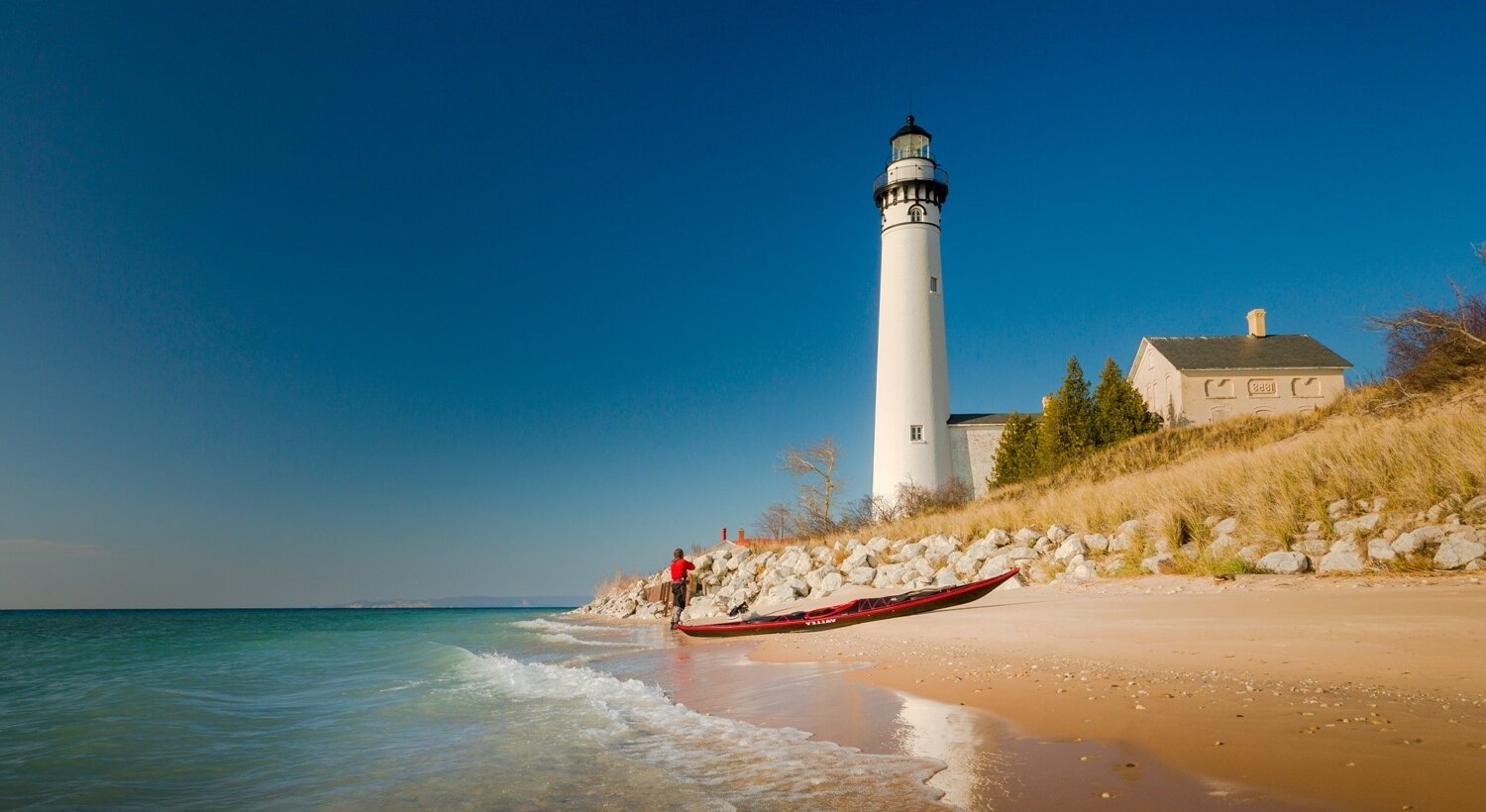
Have you ever wondered about the hidden treasures beneath Lake Michigan's surface? Manitou Passage shipwrecks offer a fascinating glimpse into maritime history. This area, located between the mainland and the Manitou Islands, is a hotspot for divers and history buffs alike. Over the years, numerous ships have met their fate in these waters, leaving behind a rich tapestry of stories and artifacts. Exploring these underwater relics can feel like stepping back in time. Whether you're an experienced diver or just curious about the past, the Manitou Passage shipwrecks provide a unique adventure. Ready to dive into history? Let's uncover the secrets lurking beneath the waves.
Secrets of Michigan's Manitou Passage Shipwrecks
Michigan's Manitou Passage is a diver's dream. This stretch of water, located in Lake Michigan, hides many shipwrecks beneath its surface. Each wreck tells a story of adventure, tragedy, and history. Let's dive into the secrets of these underwater relics.
1. Francisco Morazan
The Francisco Morazan met its fate in 1960. This freighter ran aground during a snowstorm. Today, it rests near South Manitou Island. Divers can explore its remains, which are still mostly intact. The ship's bow and stern are visible above water, making it a popular spot for both divers and kayakers.
2. Three Brothers
The Three Brothers was a wooden steamer that sank in 1911. It lies near South Manitou Island. The ship was carrying a load of cedar posts when it ran aground. Divers will find the wreck in shallow water, making it accessible for beginners. The ship's wooden hull and machinery parts are still visible.
3. Walter L. Frost
The Walter L. Frost was a schooner that sank in 1903. It lies off the coast of North Manitou Island. This wreck is deeper than others, making it a challenge for experienced divers. The ship's cargo of coal is still scattered around the wreck site. Divers can also see the ship's anchor and windlass.
4. Eber Ward
The Eber Ward was an iron-hulled steamer that sank in 1909. It lies near the Manitou Passage. The ship hit an ice floe and sank quickly. Divers will find the wreck in deep water, making it suitable for advanced divers. The ship's boilers and engine are still intact, offering a glimpse into 19th-century engineering.
5. Rising Sun
The Rising Sun was a wooden steamer that sank in 1917. It lies near Pyramid Point. The ship was carrying a load of lumber when it ran aground. Divers will find the wreck in shallow water, making it accessible for all skill levels. The ship's wooden beams and cargo are still visible.
6. William H. Barnum
The William H. Barnum was a wooden schooner that sank in 1883. It lies near Sleeping Bear Point. The ship was carrying a load of iron ore when it sank. Divers will find the wreck in shallow water, making it easy to explore. The ship's wooden hull and cargo are still intact.
7. James McBride
The James McBride was a schooner that sank in 1857. It lies near Sleeping Bear Point. The ship was carrying a load of lumber when it ran aground. Divers will find the wreck in shallow water, making it accessible for beginners. The ship's wooden hull and cargo are still visible.
8. Congress
The Congress was a wooden steamer that sank in 1868. It lies near Pyramid Point. The ship was carrying a load of grain when it caught fire and sank. Divers will find the wreck in shallow water, making it easy to explore. The ship's wooden beams and machinery parts are still visible.
9. Jennie & Annie
The Jennie & Annie was a schooner that sank in 1872. It lies near North Manitou Island. The ship was carrying a load of lumber when it ran aground. Divers will find the wreck in shallow water, making it accessible for all skill levels. The ship's wooden hull and cargo are still intact.
10. Michigan
The Michigan was a wooden steamer that sank in 1885. It lies near South Manitou Island. The ship was carrying a load of grain when it caught fire and sank. Divers will find the wreck in shallow water, making it easy to explore. The ship's wooden beams and machinery parts are still visible.
Discovering History Beneath the Waves
Exploring Michigan's Manitou Passage shipwrecks offers a unique glimpse into maritime history. These underwater sites tell stories of adventure, tragedy, and resilience. Divers and history buffs alike find the preserved remains fascinating. Each wreck has its own tale, from the cargo it carried to the circumstances of its sinking.
Visiting these shipwrecks isn't just about diving. It's about connecting with the past and understanding the challenges faced by sailors. The clear waters of Lake Michigan provide excellent visibility, making the experience even more memorable.
Whether you're an experienced diver or a curious traveler, the Manitou Passage shipwrecks are worth exploring. They remind us of the power of nature and the bravery of those who navigated these waters. So, next time you're in Michigan, take a dive into history and uncover the secrets beneath the waves.