Secrets Of Michigan’s Les Cheneaux Islands Rum-Running Ports
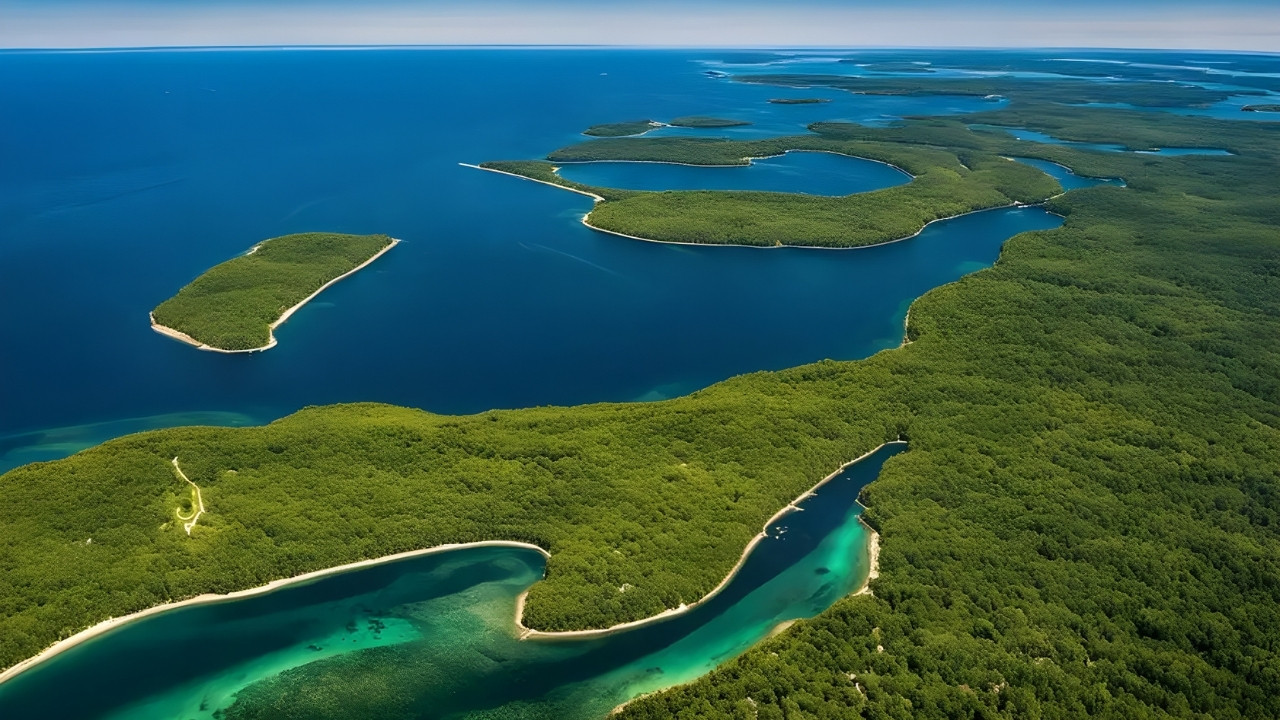
Have you ever wondered about the hidden history of Michigan's Les Cheneaux Islands? These picturesque islands, known for their natural beauty, hold secrets from the Prohibition era. During the 1920s, these islands became a hub for rum-running, where daring smugglers transported illegal alcohol across the Great Lakes. The dense forests and secluded coves provided perfect hiding spots for boats loaded with contraband. Today, visitors can explore these historic sites and imagine the thrilling chases between smugglers and law enforcement. Whether you're a history buff or just love a good adventure, the Les Cheneaux Islands offer a unique glimpse into a fascinating chapter of American history.
Secrets of Michigan's Les Cheneaux Islands Rum-Running Ports
The Les Cheneaux Islands, a hidden gem in Michigan, hold a fascinating history. During Prohibition, these islands became a hotspot for rum-running. Bootleggers used the islands' secluded bays and inlets to smuggle alcohol from Canada into the United States. Let's uncover some of the most intriguing rum-running ports in the Les Cheneaux Islands.
1. Hessel Bay
Hessel Bay, a tranquil spot today, was once a bustling hub for bootleggers. Its deep waters and hidden coves made it an ideal location for smuggling operations. Boats could easily navigate the bay under the cover of darkness, unloading their illicit cargo without attracting attention.
2. Cedarville Harbor
Cedarville Harbor, known for its scenic beauty, played a significant role in the rum-running era. The harbor's strategic location allowed smugglers to quickly disperse their goods to various parts of Michigan. The dense forests surrounding the harbor provided excellent cover for hiding contraband.
3. Government Island
Government Island, despite its name, was a favorite among bootleggers. The island's remote location and rugged terrain made it difficult for authorities to patrol effectively. Smugglers used the island's natural features to their advantage, creating hidden caches for their illegal goods.
4. Marquette Island
Marquette Island, the largest in the Les Cheneaux chain, offered numerous hiding spots for rum-runners. The island's extensive shoreline and numerous inlets provided ample opportunities for smugglers to evade capture. Today, visitors can explore the island's history and imagine the clandestine activities that once took place there.
5. Coryell Island
Coryell Island, with its rocky shores and dense vegetation, was another key location for bootleggers. The island's natural features made it easy to conceal boats and cargo. Smugglers often used Coryell Island as a staging area before making their final run to the mainland.
6. Dollar Island
Dollar Island, though small, played a big role in the rum-running trade. Its proximity to the Canadian border made it a convenient stop for smugglers. The island's secluded beaches provided perfect landing spots for boats laden with contraband.
7. Birch Island
Birch Island, with its serene landscapes, hides a tumultuous past. During Prohibition, the island's isolated location made it a prime spot for bootleggers. The thick forests and winding trails offered excellent cover for hiding illegal goods.
8. Long Island
Long Island, stretching out into the waters of Lake Huron, was a favorite route for smugglers. The island's elongated shape and numerous coves provided plenty of hiding places. Bootleggers could easily navigate the island's waters, avoiding detection by authorities.
9. Little LaSalle Island
Little LaSalle Island, though small in size, was a crucial point in the rum-running network. Its strategic location allowed smugglers to quickly transfer goods between boats. The island's rocky shores and dense vegetation provided excellent cover for these covert operations.
10. McKay Bay
McKay Bay, with its calm waters and secluded beaches, was a perfect spot for bootleggers to unload their cargo. The bay's natural features made it easy to hide boats and contraband. Today, visitors can enjoy the bay's beauty while pondering its secretive past.
The Lasting Legacy of Les Cheneaux Islands
Les Cheneaux Islands hold a unique place in Michigan's history. These islands were once bustling with rum-running activity during Prohibition. Today, they offer a glimpse into a fascinating past. The hidden coves and secluded bays that once served as secret ports now attract boaters and history enthusiasts alike. Exploring these islands, you can almost hear the whispers of the past. The stories of daring smugglers and their clever tactics add a layer of intrigue to the natural beauty of the area. Visiting Les Cheneaux Islands is like stepping back in time. It’s a chance to connect with a piece of history that shaped the region. Whether you're a history buff or just looking for a unique adventure, these islands offer something special. The legacy of rum-running lives on, making Les Cheneaux a must-visit destination.