

Secrets Of Beaver Dam Ecosystems On Isle Royale
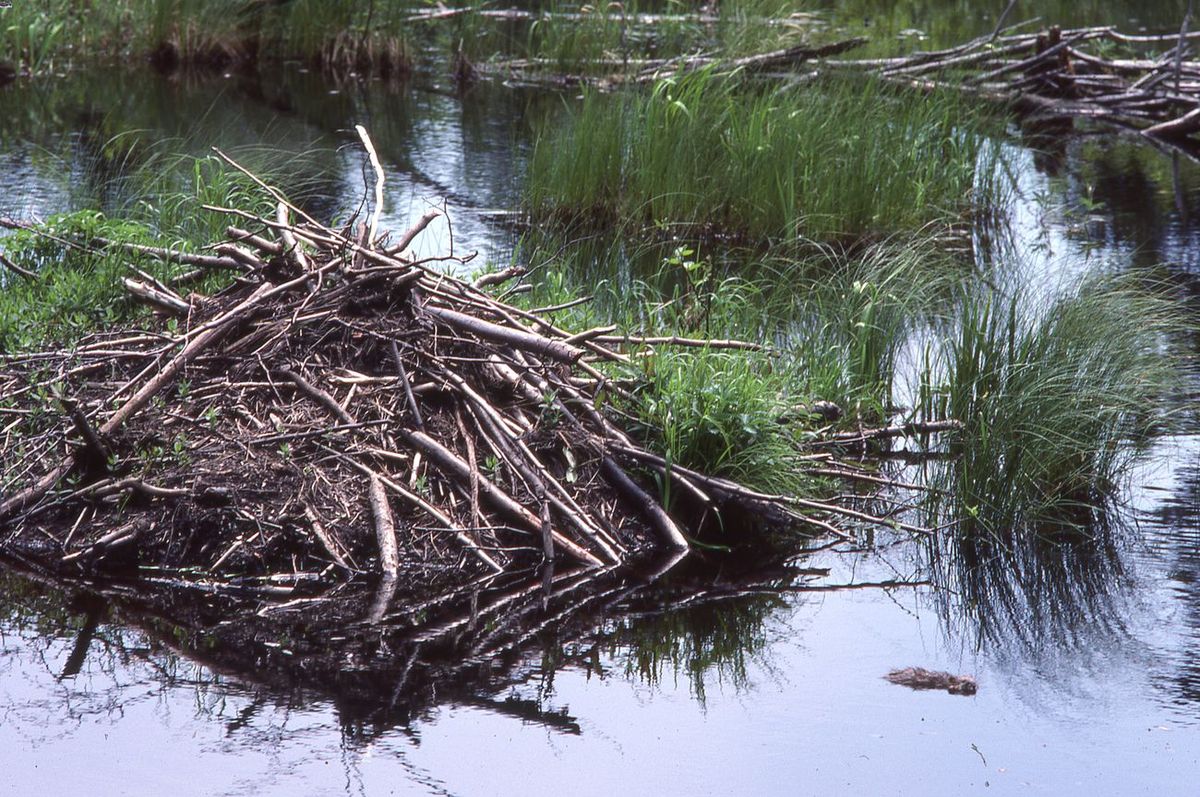
Have you ever wondered how beaver dam ecosystems work on Isle Royale? This remote island in Lake Superior is a fascinating place where nature thrives. Beavers, known as nature's engineers, play a crucial role in shaping the environment. Their dams create ponds that provide habitats for various species, from fish to birds. These structures also help control water flow, reducing erosion and maintaining wetlands. Exploring Isle Royale offers a unique chance to witness these industrious creatures in action. Whether you're a nature lover or just curious, understanding beaver dam ecosystems can deepen your appreciation for this incredible island.
Understanding Beaver Dams on Isle Royale
Isle Royale, a remote island in Lake Superior, is home to some of the most fascinating beaver dam ecosystems. These industrious creatures have transformed the landscape, creating habitats that support a diverse array of wildlife. Let's dive into the secrets of these incredible ecosystems.
The Role of Beaver Dams
Beaver dams are more than just piles of sticks and mud. They play a crucial role in shaping the environment. By building dams, beavers create ponds that provide habitat for many species. These ponds also help to filter water, reduce erosion, and maintain the water table.
Moose Habitat: The ponds created by beaver dams are perfect for moose. These large mammals rely on aquatic plants found in beaver ponds for food. The ponds also provide a safe place for moose to escape from predators.
Fish Nurseries: Beaver ponds are ideal nurseries for fish. The slow-moving water and abundant vegetation provide a perfect environment for young fish to grow and thrive.
Bird Sanctuaries: Many bird species, including ducks and herons, are attracted to beaver ponds. These birds use the ponds for feeding, nesting, and resting during migration.
The Engineering Marvels of Beavers
Beavers are nature's engineers. Their dams are complex structures that require skill and teamwork to build. These dams can be several feet high and stretch for hundreds of feet.
Lodge Construction: Beavers build lodges within their ponds. These lodges are made of sticks, mud, and vegetation. They provide shelter and protection from predators.
Canal Systems: Beavers dig canals to transport building materials and food. These canals also help to irrigate the surrounding land, promoting plant growth.
Water Management: Beavers are experts at managing water levels. They build and maintain their dams to ensure a constant water supply, even during dry periods.
The Impact on Biodiversity
Beaver dams have a significant impact on biodiversity. By creating new habitats, beavers support a wide range of plant and animal species.
Wetland Creation: Beaver dams create wetlands, which are among the most productive ecosystems on Earth. These wetlands support a diverse array of plants, insects, amphibians, and mammals.
Plant Diversity: The ponds and wetlands created by beaver dams support a wide variety of plant species. These plants provide food and shelter for many animals.
Insect Habitats: The standing water and abundant vegetation in beaver ponds create ideal conditions for insects. These insects, in turn, provide food for birds, fish, and other animals.
Challenges and Conservation
Despite their benefits, beaver dams can sometimes cause problems for humans. Flooding and damage to infrastructure are common concerns. However, the ecological benefits of beaver dams often outweigh these challenges.
Flood Mitigation: While beaver dams can cause localized flooding, they also help to mitigate larger floods by slowing down water flow and storing water during heavy rains.
Erosion Control: Beaver dams reduce erosion by stabilizing stream banks and trapping sediment. This helps to maintain water quality and protect downstream habitats.
Conservation Efforts: Conservationists are working to protect beaver populations and their habitats. By understanding the benefits of beaver dams, we can find ways to coexist with these remarkable animals.
Isle Royale's beaver dam ecosystems are a testament to the ingenuity of nature. These structures support a rich tapestry of life, demonstrating the profound impact that one species can have on its environment.
The Impact of Beaver Dams on Isle Royale
Beaver dams on Isle Royale play a crucial role in shaping the island's ecosystem. These structures create wetlands that support diverse plant and animal life. Water levels are regulated, reducing the risk of floods and droughts. Fish populations benefit from the new habitats, and birds find nesting areas. The dams also help filter water, improving its quality. By altering the landscape, beavers contribute to a balanced and thriving environment. Their activities demonstrate the interconnectedness of nature, where one species can significantly impact the entire ecosystem. Understanding these dynamics helps us appreciate the importance of preserving natural habitats. So, next time you visit Isle Royale, take a moment to observe these incredible engineers at work. Their contributions are vital to the island's health and biodiversity.
